
A client asks an Indian agency for a price before approving a website project. The agency sends a quotation showing the scope, price, validity, and payment terms. Once the work is completed, it sends an invoice requesting payment.
Both documents can contain similar information, but they are used at different stages of a transaction.
A quotation helps the buyer decide whether to proceed. An invoice records what has been supplied and tells the buyer what is now payable.
Both documents can contain similar information, but they are used at different stages of a transaction.
A quotation helps the buyer decide whether to proceed. An invoice records what has been supplied and tells the buyer what is now payable.
TL;DR
- A quotation is sent before the sale or work is confirmed and sets out the proposed price, scope, and terms.
- An invoice is issued for goods or services supplied and requests payment of the amount due.
- A quotation can form part of a binding agreement once accepted, depending on the terms and applicable law; an invoice does not by itself create the underlying contract.
- For international business, both documents should clearly state currency, payment terms, and relevant buyer and seller details to reduce payment and reconciliation errors.
What is a quotation?
A quotation, or quote, is a document a seller gives a potential buyer before the transaction is confirmed.
It normally explains:
- what will be supplied
- quantity or scope
- price
- taxes where relevant
- delivery timeline
- payment terms
- validity period
- important conditions
What is an invoice?
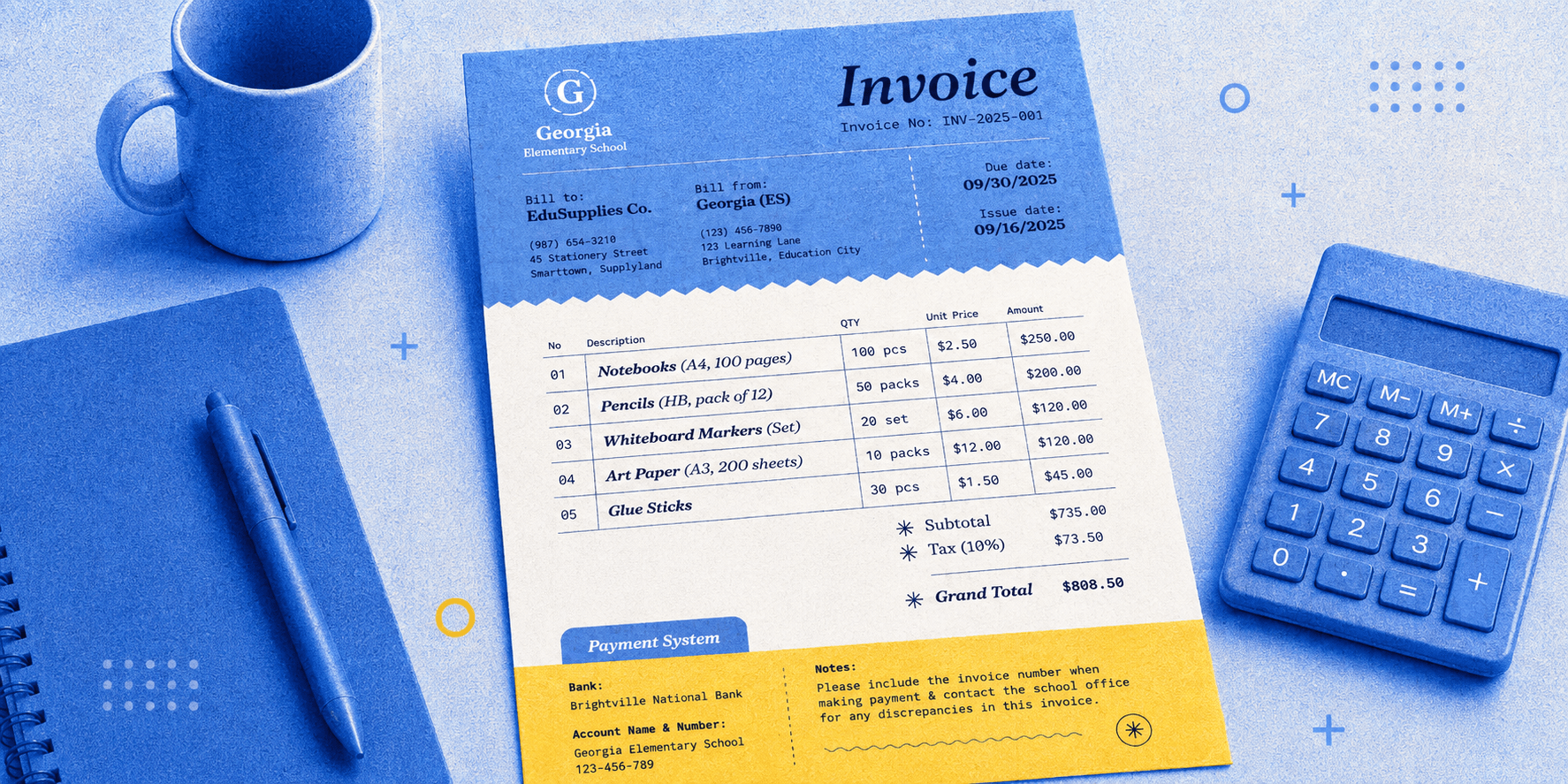
An invoice is a formal commercial document issued for goods or services supplied, showing the amount payable by the buyer.
A typical invoice includes:
- invoice number
- issue date
- seller details
- buyer details
- description of goods or services
- quantity
- price
- applicable taxes
- total amount due
- payment terms
- due date
- payment details
For GST-registered businesses in India, tax invoices must contain prescribed GST particulars.
The invoice therefore plays a different role from the quotation: it moves the transaction from proposed price to payment due.
Quotation vs invoice: what is the difference?
| Quotation | Invoice |
|---|---|
| Sent before the transaction is confirmed | Issued for the actual supply |
| Shows proposed pricing and terms | Shows the amount payable |
| Helps the buyer decide whether to proceed | Requests payment |
| Can be revised during negotiation | Should reflect the final transaction |
| Usually includes a validity period | Usually includes a payment due date |
| Does not normally form part of accounting revenue records by itself | Forms part of the business's financial and tax records |
| May become contractually important once accepted | Supports collection and proof of the transaction |
The simplest way to remember it is:
Quotation = What it will cost
Invoice = What you now owe
When should you use a quotation?
Use a quotation when the buyer needs to approve the commercial terms before committing.
This is common when:
- pricing varies by customer
- the project scope needs approval
- the buyer wants several options
- quantity or specifications may change
- advance payment is required
- the seller wants the price to remain valid only for a certain period
A quotation should be specific enough that the buyer knows exactly what they are accepting.
What should a quotation include?
A useful quotation normally contains:
- quotation number
- date
- validity period
- seller and buyer details
- product or service description
- quantity or scope
- unit price
- discounts
- taxes where relevant
- total estimated value
- payment terms
- delivery or completion timeline
- important conditions
What should an invoice include?
An invoice should reflect the actual transaction, not simply copy an old quotation without checking it.
Confirm:
- final quantity
- final price
- discounts
- taxes
- amount already paid
- balance due
- currency
- payment deadline
- payment details

Does accepting a quotation make it legally binding?
Potentially.
A quotation is not automatically meaningless until an invoice is issued.
Depending on its wording, acceptance, surrounding communications, and applicable law, an accepted quotation can form or contribute to a contract. Government business guidance in Australia, for example, notes that an accepted quote can become legally binding.
Businesses should therefore make the scope, validity, payment terms, and important conditions clear. For material transactions, a separate contract may still be appropriate.
Can a quotation be changed after the client accepts it?
Only with agreement.
If the scope changes, issue a revised quotation, change order, or other written confirmation before doing additional work.
Document agreed changes before invoicing so the customer is not surprised by a higher final amount.
What happens after a quotation is accepted?
A typical workflow looks like:
Customer enquiry → Quotation → Customer acceptance → Purchase order or agreement → Delivery → Invoice → Payment → Reconciliation
The quotation supports the sales decision, while the invoice supports the payment and accounting process.
Quotation vs proforma invoice
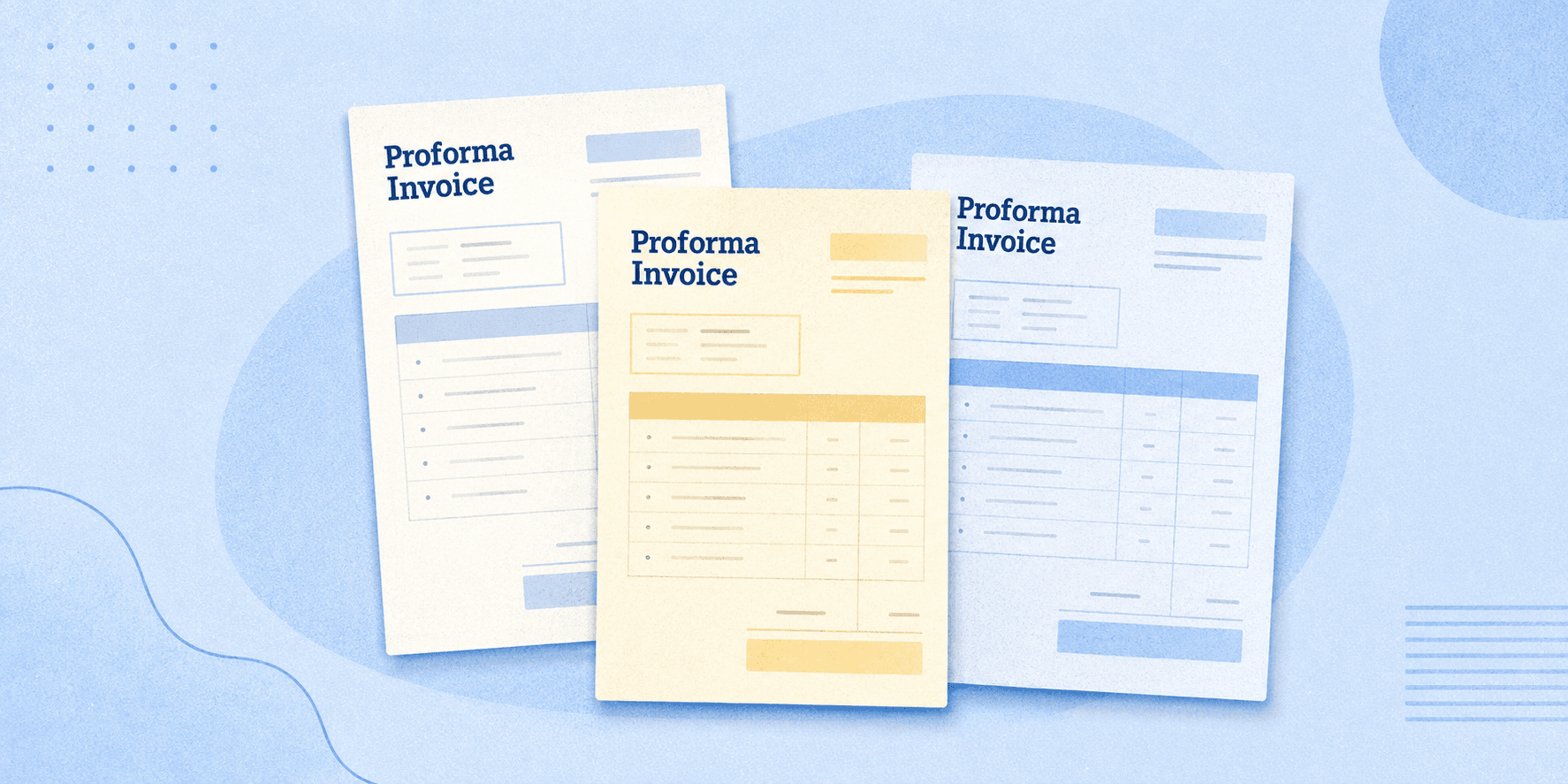
A quotation usually communicates an offer and price. A proforma invoice presents the proposed transaction in a format closer to a final invoice and is often used for international orders, advance payments, or buyer approval.
How should businesses handle quotations and invoices for international clients?
For overseas customers, both documents should clearly state:
- buyer and seller
- currency
- amount
- payment terms
- payment method
- relevant transaction reference
For goods exports, trade terms and shipping details may also matter.
PayGlocal helps Indian businesses collect international payments and maintain clearer transaction and settlement records, making it easier to reconcile overseas invoices with the payments behind them.