Kruti is a content writer at PayGlocal, where she simplifies complex payment topics into practical insights. She writes about global payments, cross-border commerce, and the technologies shaping international business.
Finding international clients has never been easier, but choosing from the best freelancing websites can be overwhelming. Whether you're a designer, developer, writer, marketer, or consultant, the right platform can connect you with high-paying clients from around the world. But landing the project is only half the journey. F
or Indian freelancers, understanding platform fees, international payments, and compliance is just as important as finding work. In this guide, we'll compare the best freelancing websites, explain who they're best suited for, and show you how to get paid efficiently when working with clients abroad.
📌TL;DR
•Explore the world's most popular freelancing websites. Platforms like Upwork, Freelancer, Fiverr, and Toptal help Indian freelancers connect with clients across design, development, writing, marketing, and more.
•Choose the platform that fits your work style. Compare freelancing sites based on your niche, earning potential, fees, and how projects are awarded.
•Getting paid is just as important as finding clients. Learn the best ways to receive international payments in India while reducing fees, speeding up settlements, and staying compliant with FIRA/FIRC requirements.
Rhea is a graphic designer in Pune. She lands a US client through a freelancing site, delivers the work, raises the invoice, and then waits. The payment takes days, a chunk disappears in fees, and she has no clean record of the foreign remittance for her books. The platform found her the work. Getting paid was the part nobody prepared her for.
That gap is the theme of this guide. Freelancers now make up 46.6% of the global workforce, and the platforms below are the fastest way for an Indian freelancer to find international clients. But the platform is only half the job. The other half is receiving the money quickly, cheaply, and with the paperwork Indian rules expect. We cover both.
How to choose a freelancing website
Pick the platform that matches your skill and how you like to work, not the one with the biggest logo. Four things decide the fit:
Your skill and niche. A WordPress developer, a logo designer, and a long-form writer do not thrive on the same site.
How work is won. Some sites use bidding and proposals, some use fixed gigs, some run design contests, some are curated and vetted.
Fees and rates. Every platform takes a cut, and the realistic hourly rate varies a lot by category.
How you get paid. This is the one most freelancers ignore until the first invoice. We come back to it in detail below.
Variable service fee per contract, roughly 0% to 15% (previously a flat 10%)
Direct to local bank (INR), Payoneer, PayPal, or wire transfer
Fiverr
Writers, designers, marketers, programmers
$5 to $58 per gig or hour
20% of every order, including tips
Payoneer, PayPal, or bank transfer
Toptal
Developers, designers, finance experts
$60 to $150 per hour (high-end)
No fee to freelancers (Toptal charges the client a markup)
Payoneer or direct bank transfer
SimplyHired
General freelancers across industries
Varies by job type
Free (job board; you're hired directly)
Depends on the employer, usually bank transfer or an international payment provider
Freelancer
Designers, developers, writers
$10 to $50 per hour
10% or $5 per project, whichever is higher
Express withdrawal to local bank (INR), PayPal, or wire transfer
99designs
Graphic designers
$500 to $2,000 per project
Platform fee of about 5% to 15% based on designer level, plus a one-time fee on new client introductions
PayPal or Payoneer
We Work Remotely
Developers, support, marketing
$20 to $100 per hour
Free (job board; employers pay to post)
Depends on the employer, usually bank transfer or an international payment provider
Dribbble
Designers and illustrators
$50 to $200 per project
No commission on direct hires; optional Pro subscription
Paid directly by the client, or via Dribbble's payment flow where available
Codeable
WordPress freelancers
$80 to $120 per hour
10% of earnings (clients pay a separate service fee)
PayPal or Payoneer
PeoplePerHour
Designers, writers, developers
$20 to $60 per hour
Tiered service fee, starting around 20% and dropping as you earn more with the same client
PayPal, Payoneer, or bank transfer
Around 50 to 53% of freelancers specialise in areas like programming, marketing, and IT, which is why most of these platforms lean technical and creative.
The 10 best freelancing websites
1. Upwork: the largest general marketplace
Upwork is one of the largest freelancing sites in the world, connecting freelancers with clients across programming, writing, web development, and design. It is known for a secure payment system and a very large volume of job listings. upwork encourages talented freelancers to join their community
What stands out:
Job matching. An algorithm surfaces relevant jobs, and you can also search manually.
Profiles and proposals. You build a detailed profile and send personalised proposals.
Connects. Upwork's in-app currency that you spend to apply for jobs, with extra Connects for boosted proposals.
Collaboration tools. Messaging, voice and video calls, and document organisation in one place.
Skills tests and analytics. Invitation-based tests display on your profile, and a dashboard tracks earnings, history, and client feedback.
Why freelancers like it: the account is free, projects are pre-funded into escrow so payment is secured once work is approved, and the desktop time-tracker gets you paid for hours worked. The catch is that the sheer competition means Connects and a sharp profile matter.
2. Fiverr: gig-based, beginner-friendly
Fiverr runs on a gig model: you package a service, and clients buy it. It is popular for creative and digital work such as graphic design, writing, web development, and social media management. Fiverr: Best for selling packaged services through a simple gig-based marketplace. What stands out:
Productised gigs. You sell clearly defined packages rather than bidding on open jobs.
Learning and software resale. Fiverr offers courses, and IT freelancers can earn commissions reselling software like Microsoft 365.
Project tracking. Monitor progress, deadlines, and billing for ongoing work.
Why freelancers like it: a simple interface that suits beginners and pros, global reach, and full control over your own rates. Because buyers choose on price and reviews, early gigs often start low until you build a rating.
Toptal connects businesses with a small, vetted slice of freelance talent, focused on high-end software development, financial consulting, and interim management. Toptal: Connects the world's top freelance talent with premium global clients.
What stands out:
A rigorous screening process and a claimed acceptance of only the top 3% of applicants.
A dedicated talent advisor to match you to the right projects.
Competitive pay, secure payments, and access to coaching and networking.
Why freelancers like it: high-quality clients, fast placement (days, not weeks), and a no-risk trial for clients that signals confidence. The tradeoff is the barrier to entry: most applicants do not get in.
4. SimplyHired: broad, no freelancer fees
SimplyHired aggregates job postings from many sources and lets you connect with clients seeking freelance talent, with a transparent, on-time payment reputation. SimplyHired: A job aggregator that helps freelancers discover opportunities across industries.
What stands out:
No commission on your earnings, unlike many platforms that take a percentage.
An easy-to-use interface and wide job listings pulled from multiple sources.
Direct messaging before and after agreeing to a project.
Why freelancers like it: email alerts for matching jobs, plus career resources like resume and cover-letter help. It is a low-friction entry point for newer freelancers.
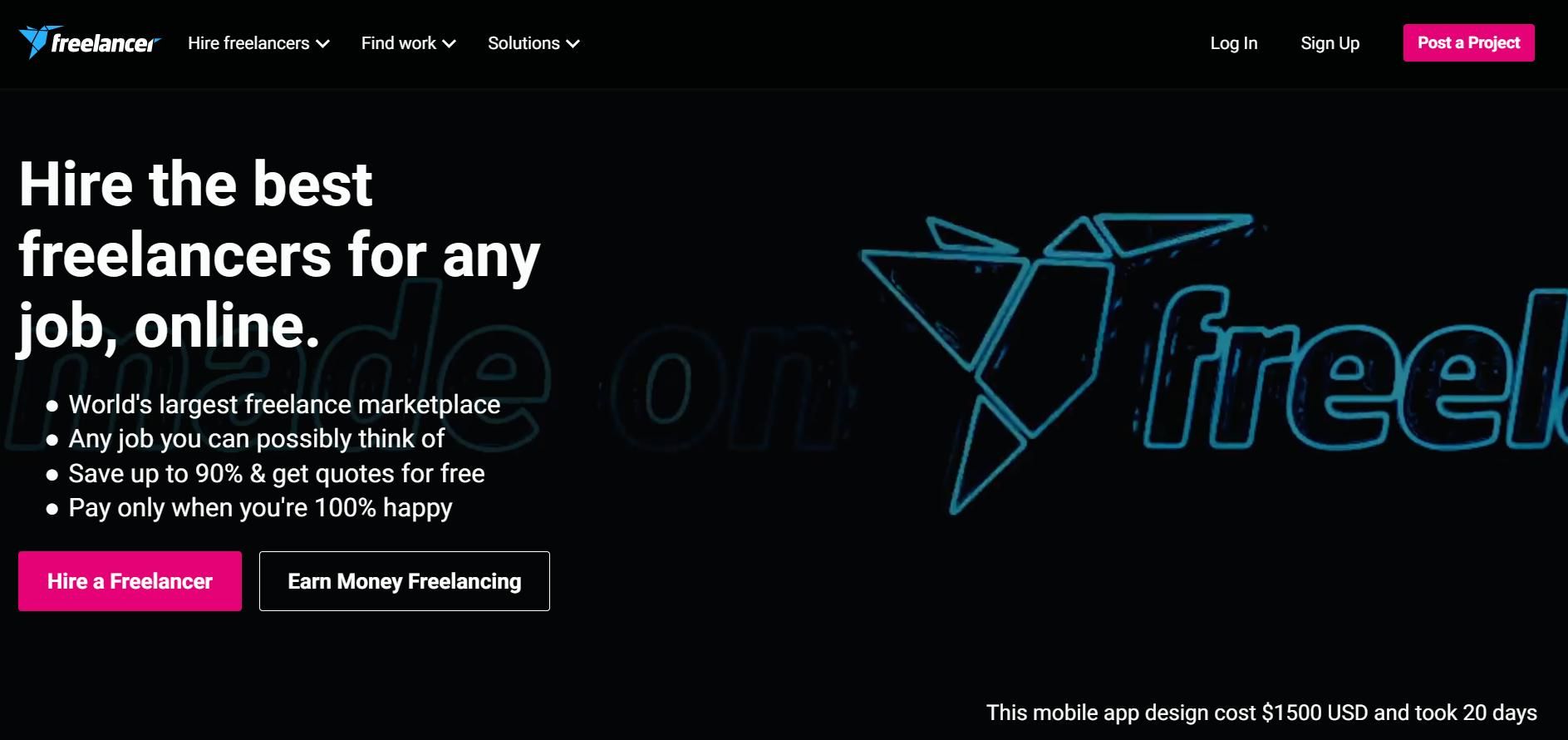
5. Freelancer: bidding across categories
Freelancer.com is a global marketplace where you bid on projects across web development, translation, social media, and more, and clients pick the offer that fits. Freelancer: A global bidding platform for freelancers across hundreds of skill categories.
What stands out:
Rewards and XP for completing jobs and hitting goals.
A Preferred Freelancer track with priority support and a badge.
A portfolio showcase, contests, and a time-tracker with live chat.
Why freelancers like it: milestone payments for safer project management, an easy interface, and contests to prove skill. High bidding volume means you compete hard on early jobs.
99designs lets designers win work through contests and direct client projects. Instead of only pitching, you submit concepts and win on the strength of the actual work. 99designs: A leading design marketplace known for creative contests and direct client projects.
What stands out:
Design contests where you submit concepts to a client brief.
Direct hire for one-on-one projects with faster turnaround.
Upfront-secured payment released on completion, and you retain copyright on unsold work for your portfolio.
Why freelancers like it: you set your own rates on direct hires, submit multiple entries to raise your odds, and get payment security. Contests mean unpaid effort when you do not win, so it rewards speed and a strong portfolio.
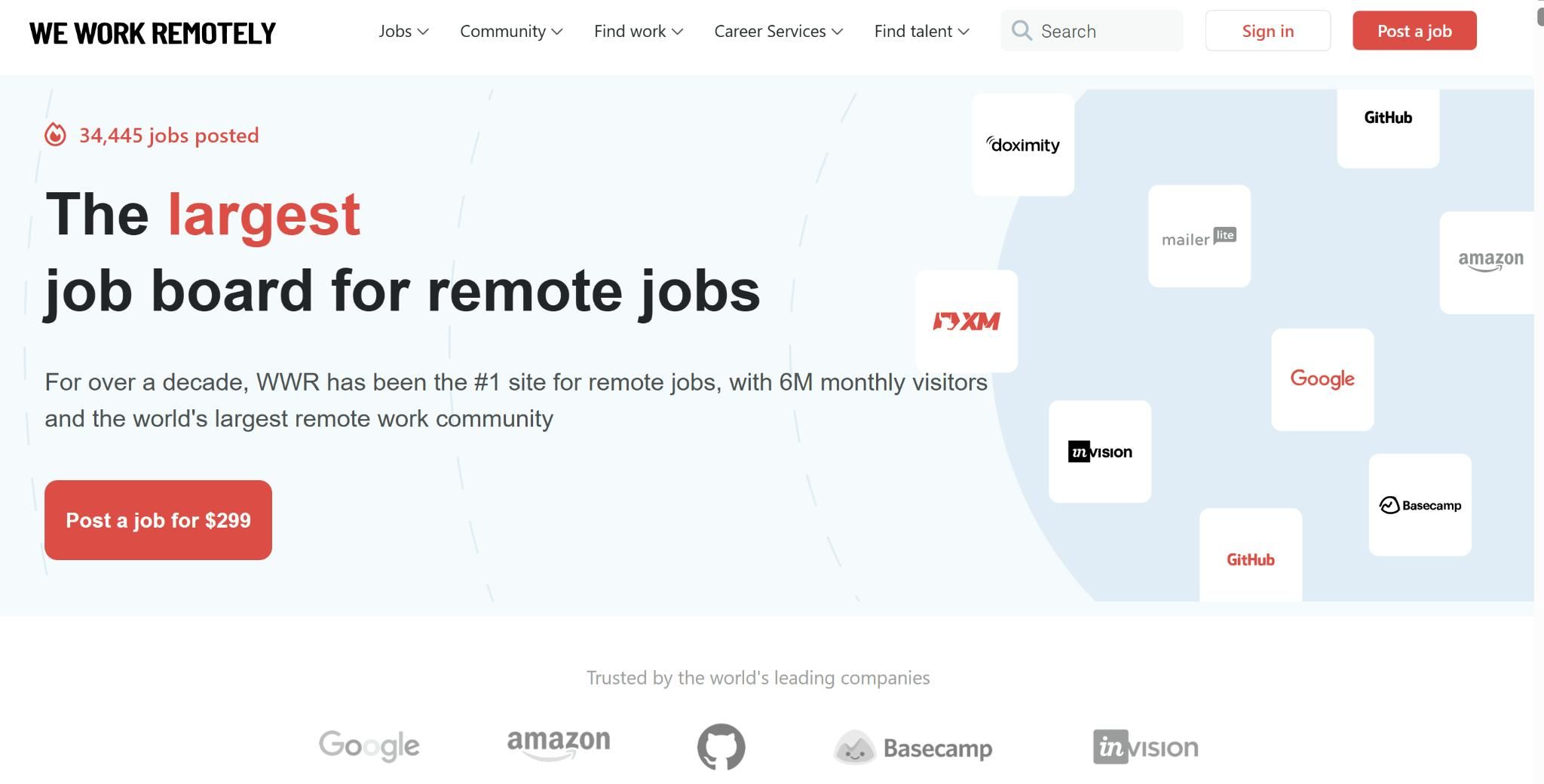
7. We Work Remotely: a remote job board
We Work Remotely is a job board for remote roles across programming, design, marketing, and support, with both full-time and freelance listings. Some roles need a specific time zone or location. We Work Remotely: One of the largest job boards for remote freelance and full-time work.
What stands out:
A large pool of remote listings with advanced filters (location, job type, company size, skills).
Company profiles, salary ranges on most jobs, and a community forum.
No profile needed to browse; you apply directly through the company.
Why freelancers like it: a curated, easy-to-navigate set of remote roles. It is a job board more than a managed marketplace, so payment and contracts happen off-platform with each employer.
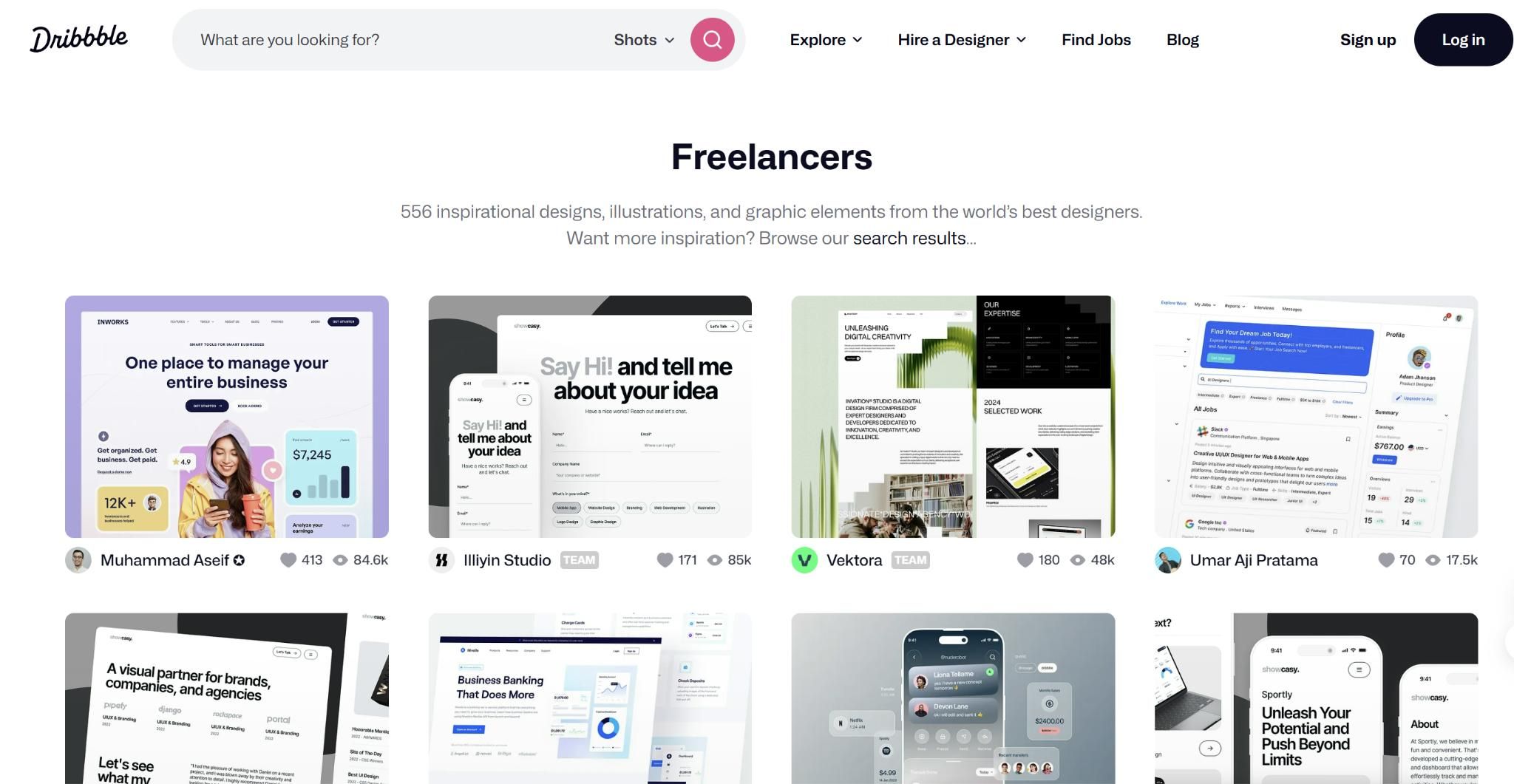
8. Dribbble: portfolio-led design work
Dribbble is built for UI/UX designers, graphic designers, and illustrators. It doubles as a portfolio site and a job board, so you showcase work and connect with clients at the same time. Dribbble: A portfolio-first platform where designers showcase work and attract clients.
What stands out:
A visual portfolio that works as a living alternative to a resume.
Job opportunities via boards, direct outreach, and talent matching.
A design community for feedback, challenges, and building a personal brand.
Why freelancers like it: it is tailored to designers and rewards a strong public body of work. Landing paid work still depends on outreach and reputation, not just uploads.
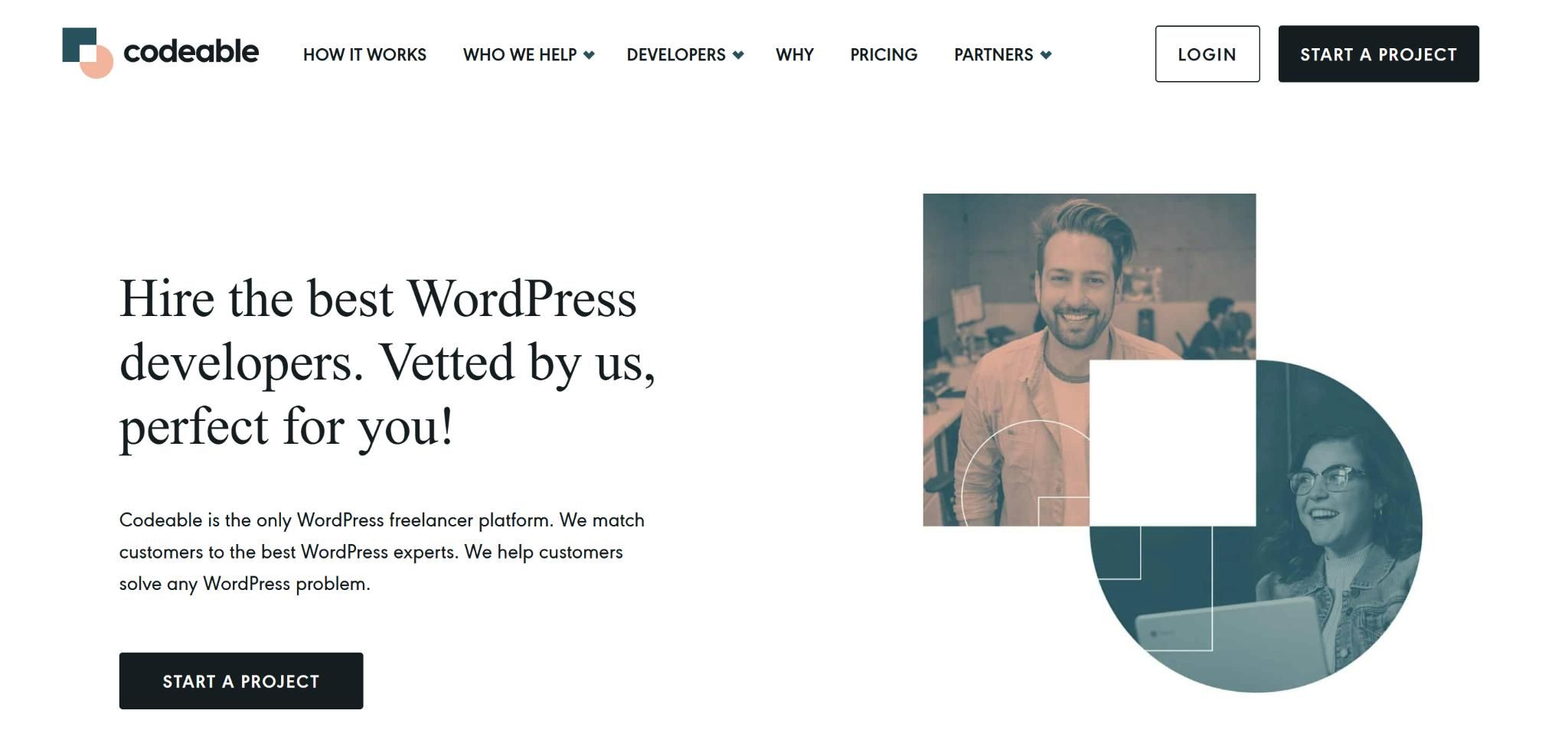
9. Codeable: WordPress specialists only
Codeable connects freelance WordPress developers with clients and uses an estimate system that filters out both underpriced and overpriced bids, so clients get one fair quote. Codeable: A curated marketplace exclusively for expert WordPress freelancers.
What stands out:
WordPress-only experts, from theme design to advanced customisation.
Strict vetting, with a claimed acceptance of only 2% of applicants.
Transparent fixed pricing and a satisfaction guarantee (fix or refund).
Why freelancers like it: fair, agreed pricing with no race to the bottom, and a focused client base. It is narrow by design, so it suits WordPress pros and no one else.
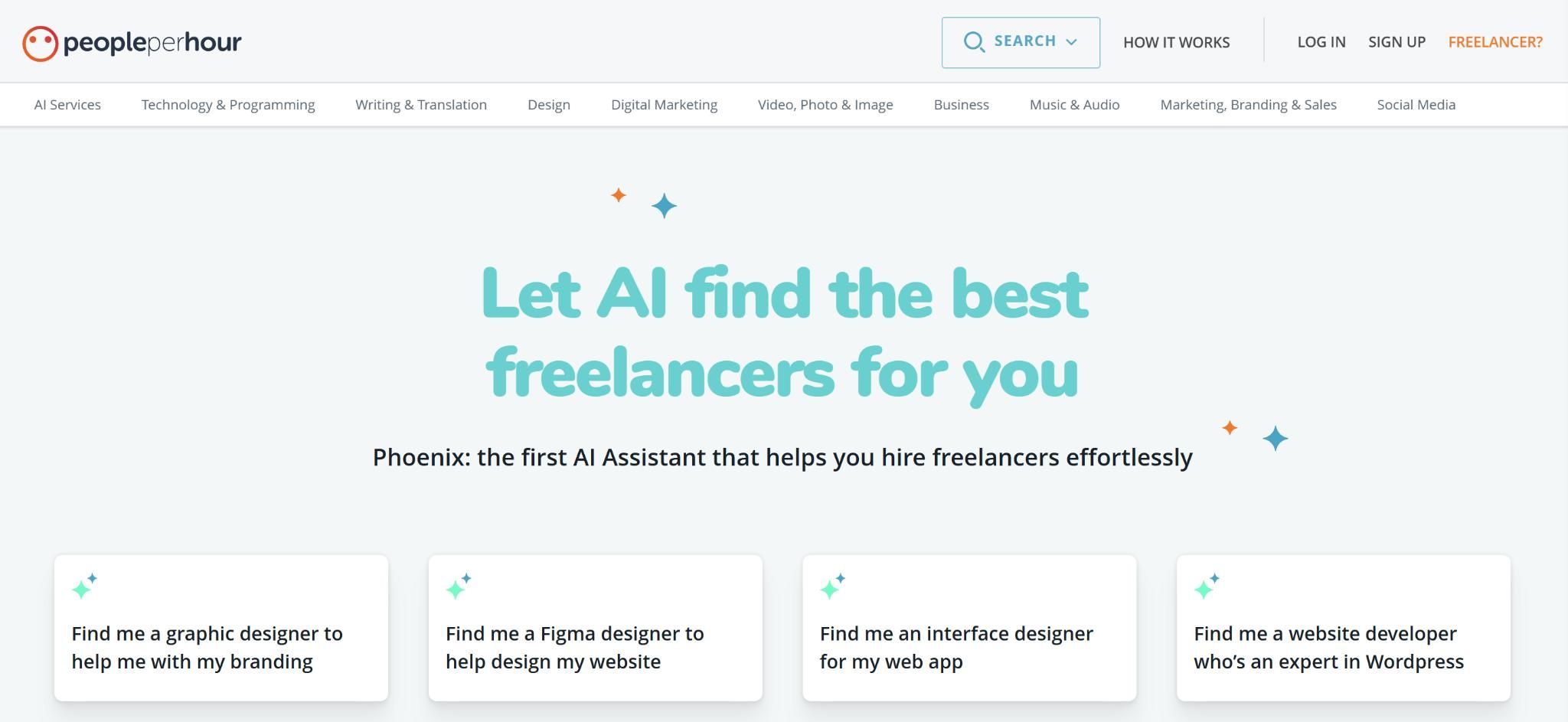
PeoplePerHour spans technology, writing, translation, design, video, marketing, and social media. Freelancers submit proposals for projects, so each pitch is tailored. PeoplePerHour: A flexible freelance marketplace for project-based work and hourly gigs.
Best freelancing websites in India for Indian clients
Global platforms like Upwork and Fiverr are built mainly around overseas buyers, but a growing number of Indian startups, SMEs, and agencies now hire freelancers directly. If you’d rather work with clients in your own time zone, get paid in INR, and skip international transfer fees and currency conversion, these freelancing websites in India are the best places to start.
Platform
Best for
Why it works for Indian clients
Truelancer
Writers, designers, developers, digital marketers
Indian-founded marketplace with a large base of domestic clients and INR payments
Freelancer
Developers, designers, data entry, writers
One of the biggest client bases in India, with projects posted in INR and express withdrawal to Indian bank accounts
Refrens
Agencies, designers, developers, consultants
Indian platform combining a freelancer network with GST-compliant invoicing, so you can find clients and bill them in one place
Internshala
Students and early-career freelancers
Popular with Indian startups for short-term and work-from-home projects, ideal for building a first portfolio
Worknhire
Writers, designers, developers
Indian marketplace focused on connecting local businesses with freelancers for project-based work
LinkedIn
Consultants, marketers, B2B specialists
Indian founders and hiring managers regularly post freelance and contract roles, and a strong profile brings inbound leads
Fiverr
Designers, video editors, writers
Indian buyers increasingly use it, and fixed-price gigs make it easy for small businesses to hire
Upwork
Experienced freelancers in tech and marketing
Fewer Indian clients than overseas ones, but Indian companies hiring for specialised skills do post here
#### What stands out:
A bidding system with direct client communication about scope and terms.
Multiple payout options and quick processing once work is approved.
A tiered service fee that drops as you earn more, rewarding long-term clients.
Why freelancers like it: you negotiate your own rates, collaborate through built-in tools, and clients fund an escrow so your work is covered. The bidding model means real effort on proposals for every job.
How do Indian freelancers receive international payments?
Most Indian freelancers get paid through a payment platform that collects the foreign payment, converts it to rupees, and settles it into an Indian bank account, ideally with a foreign inward remittance certificate (FIRA/FIRC: the bank document that proves you received a foreign payment, which you need for clean books and compliance).
That is the part the freelancing sites do not solve. The pain shows up in three places:
Fees. Between platform cuts, card charges, and foreign exchange markup, a surprising slice of the invoice can vanish before it reaches you.
Speed. International transfers can take days, which hurts cash flow when you are running solo.
Paperwork. Without a FIRA/FIRC, reconciling foreign income and staying compliant becomes messy.
A few practical ways Indian freelancers collect from global clients:
Direct bank wire (SWIFT). Reliable but often slow and expensive, with correspondent-bank fees and manual paperwork.
Global payout wallets. Convenient, but fees and forex markup can stack up, and documentation support varies.
A cross-border payment platform with a multi-currency account. You collect in the client's currency, settle in INR, and get the remittance paperwork handled.
How to move platform earnings to your Indian Bank Account
Getting paid on a freelancing platform is only half the job. To actually use that money, you need to transfer it to your Indian bank account in a way that’s cost-effective and keeps you compliant for tax purposes. Here’s the process, step by step.
Complete your platform verification. Most platforms hold withdrawals until you've verified your identity. Upload your PAN card, a government ID like Aadhaar or passport, and any tax forms the platform asks for (such as a W-8BEN on US-based platforms, which confirms you're not a US taxpayer).
Choose your withdrawal method. Depending on the platform, you'll usually see options like direct-to-local-bank transfer in INR, Payoneer, PayPal, or international wire transfer. Direct-to-local-bank is often the cheapest for regular withdrawals, while wire transfers carry higher flat fees and make more sense for large amounts.
Add your bank account details. Enter your account number, IFSC code, and the account holder name exactly as it appears on your PAN. A name mismatch is the most common reason withdrawals bounce. For wire transfers, you'll also need your bank's SWIFT code.
Select the correct purpose code. Every inward foreign remittance in India needs an RBI purpose code that describes why you received the money. For example, P0802 covers software consultancy and implementation services. PayPal and Payoneer will ask you to choose one, and your bank may ask too. Picking the right code makes the payment easier to classify as an export of services.
Request the withdrawal. Check the platform's minimum withdrawal amount, processing time, and fees before you confirm. Withdrawing in larger batches rather than many small amounts usually saves money, since many methods charge a flat fee per transfer.
Check the exchange rate you received. When the money lands, compare the INR amount with the day's mid-market rate. The gap is the currency conversion markup, which can quietly cost more than the platform's visible fees. If it's consistently high, compare other withdrawal options.
Download your FIRC or FIRA. Ask your bank (or download from Payoneer or PayPal) the Foreign Inward Remittance Certificate or Advice for each payment. This document proves the money came from abroad for services you provided, and you'll need it for GST and income tax records.
Report the income correctly. Freelance earnings are taxed as business or professional income, and many freelancers can use the presumptive taxation scheme for professionals, which simplifies filing. If you're registered for GST, services exported to overseas clients are zero-rated, so file a Letter of Undertaking (LUT) on the GST portal to export without paying IGST upfront.
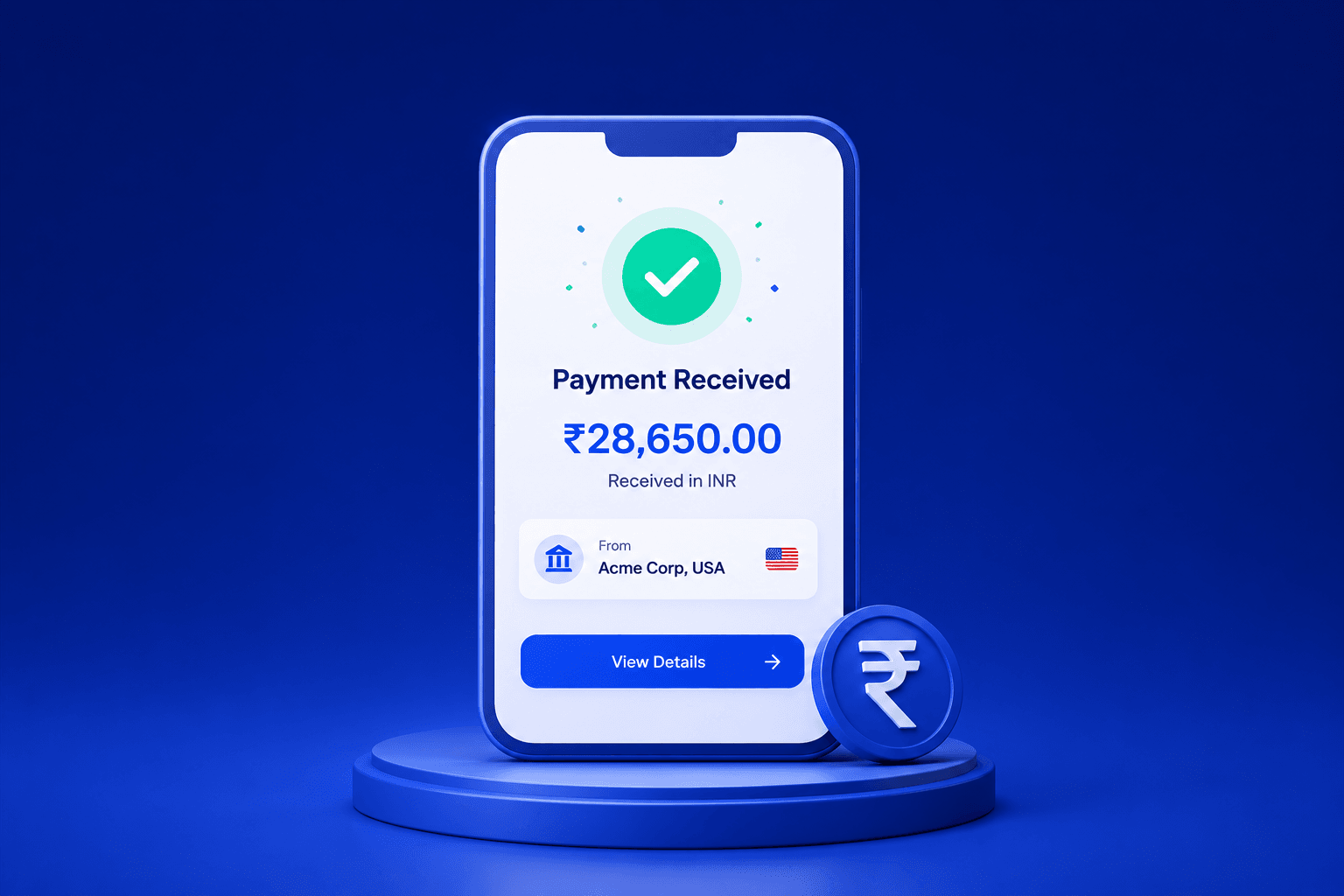
If the problem is fees, speed, and paperwork, PayGlocal is built for exactly that. It is an RBI-authorised cross-border payments platform (authorised by the Reserve Bank of India as a Payment Aggregator - Cross Border - Inward & Outward, or PA-CB-I&O, and as an Online Payment Aggregator, or PA-O) and part of the ICICI Bank Group, so the money-movement and governance side is held to a bank-group standard.
For a freelancer collecting from global clients, that means:
Multi-currency collection. Get paid in your client's currency and settle in INR.
Lower leakage. Transparent pricing so more of the invoice reaches you.
Compliance handled. FIRA/FIRC automation, so the remittance paperwork is not your problem.
One dashboard. Track payments from different freelancing platforms in one place.
The freelancing site finds the work. A payment setup like this decides how much of it you actually keep, and how fast.
Frequently Asked Questions
Fiverr and Upwork are the usual starting points. Fiverr's gig model lets you package a service and get discovered, while Upwork's larger marketplace and escrow give beginners a safer, higher-volume place to build a track record.
Most use a payment platform that collects the foreign payment, converts it to rupees, and settles it into an Indian bank account, ideally with a FIRA/FIRC (the bank's proof of a foreign payment). The main options are direct bank wires, global payout wallets, and cross-border payment platforms with a multi-currency account.
Only partly. Platforms like Upwork or Fiverr hold funds and release them on approval, but withdrawing to an Indian account still involves conversion, fees, and paperwork. A dedicated cross-border payment platform handles the collection, settlement, and compliance documents.
Three add up: the platform's commission, card or transfer charges, and the foreign exchange markup on converting to rupees. Comparing the all-in cost, not just the headline fee, is what protects your earnings.
In most cases yes. A FIRA/FIRC is the bank document proving you received a foreign payment, and it keeps your books and compliance clean. Some payment platforms generate it automatically.




 For a freelancer collecting from global clients, that means: