
One common point of confusion for many companies is the distinction between a Proforma Invoice and an Invoice. These two documents serve different purposes despite looking similar at first glance.
A proforma invoice is issued before a sale is finalized, and an invoice is issued once the goods or services are provided. It serves as a formal request for payment.
Nearly half of all businesses process up to 500 invoices per month, highlighting the importance of distinguishing between different types of invoices, such as Proforma and regular Invoices, to streamline operations and avoid costly errors.
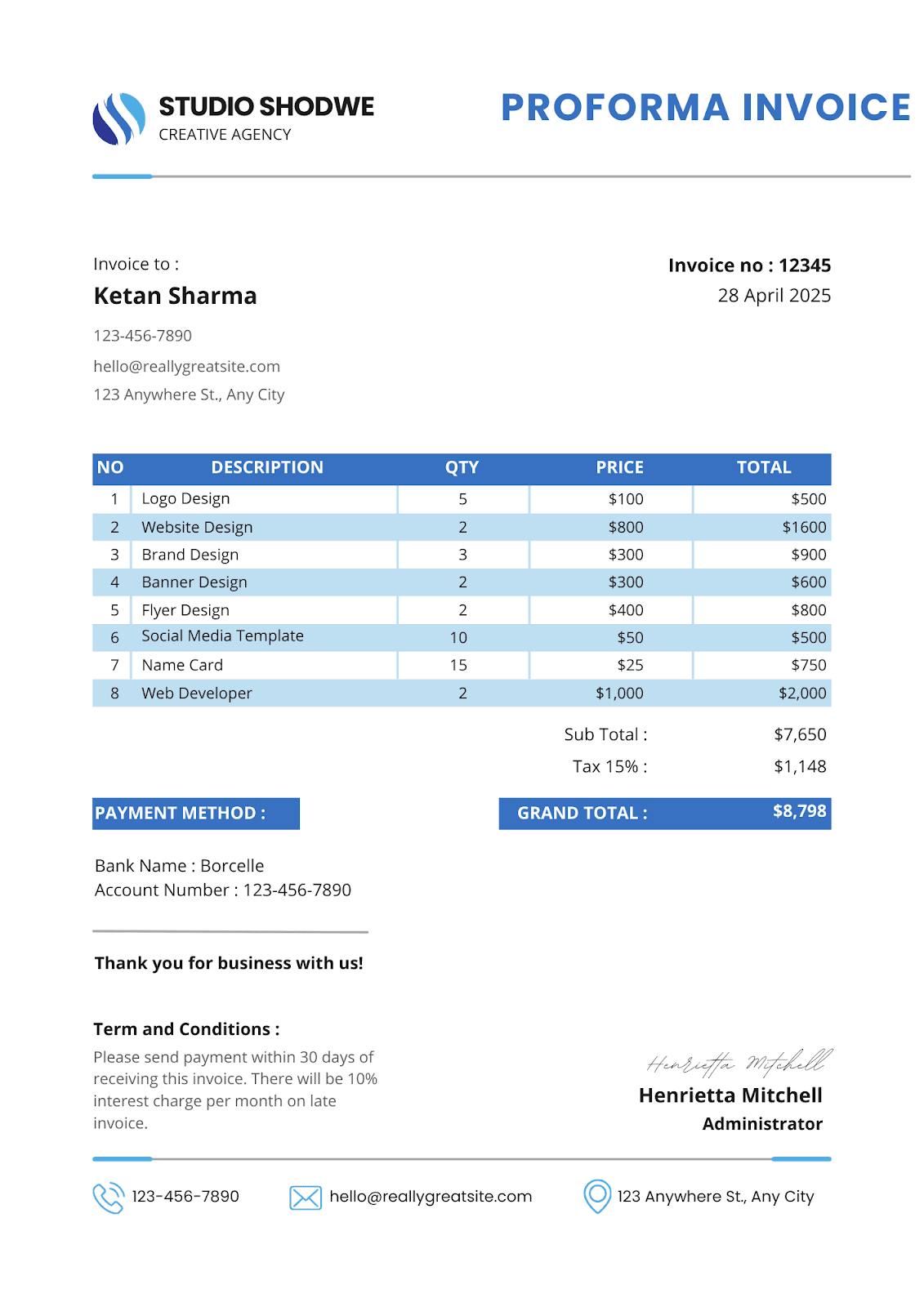
A proforma invoice is an initial document provided to a buyer before completing a sale. It serves as an estimate, outlining the goods or services, pricing, payment terms, and other relevant transaction details. It does not request payment or hold legal weight, functioning mainly as a tool for clarification and agreement.
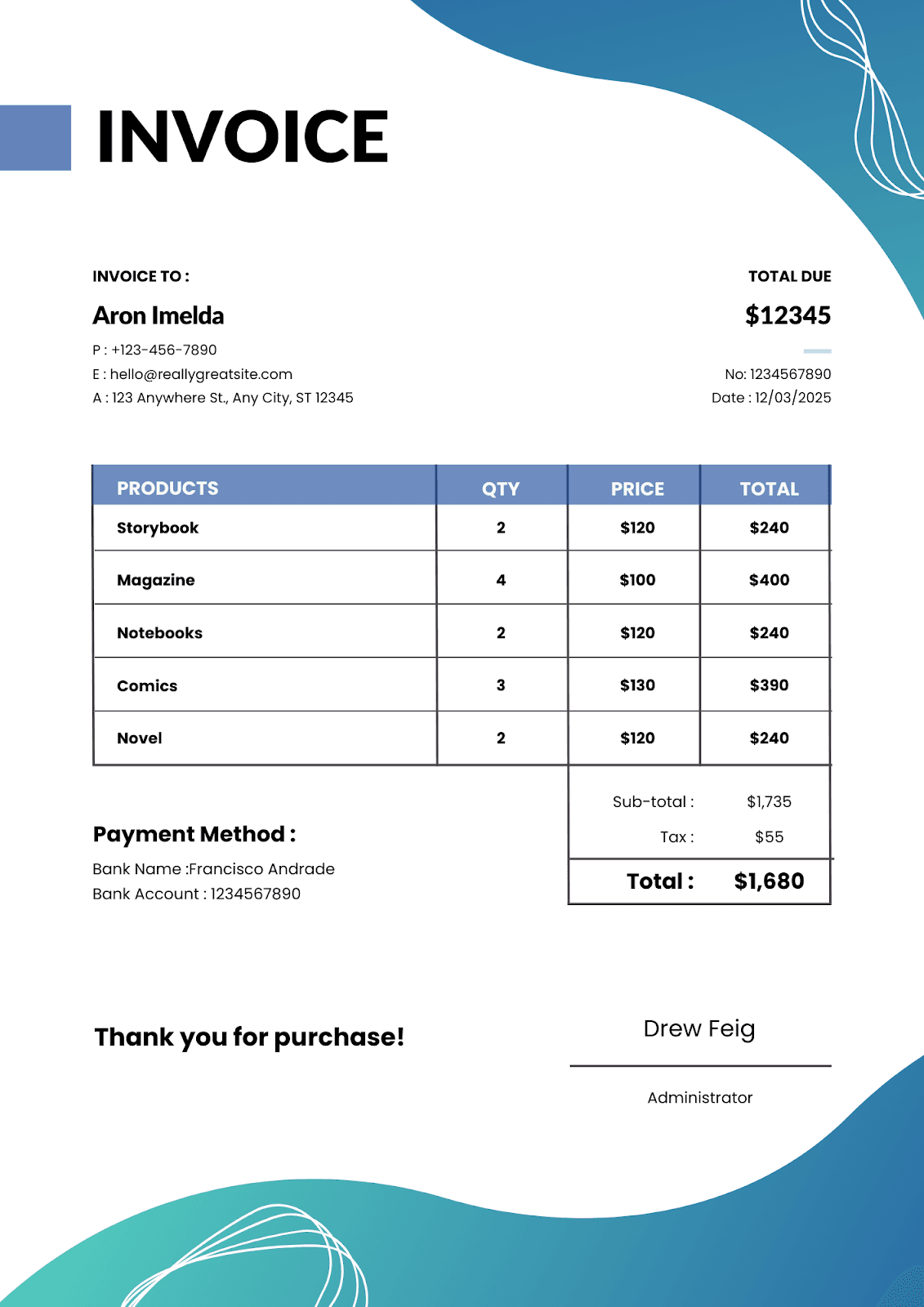
An invoice establishes a legal obligation for the customer to pay, ensuring the seller receives the full amount owed within the agreed-upon timeframe. As a formal document of record, an invoice cannot be canceled or altered once issued, making it quintessential for maintaining accurate sales records and safeguarding your business during audits.
A proforma invoice and an invoice serve essential roles in the sales process.
For example, if you're involved in international trade, a proforma invoice can provide a detailed transaction estimate, especially for customs clearance purposes. On the other hand, an invoice will serve as a payment request after the sale has been finalized.
Let’s consider a situation-based use case in which proforma invoices and commercial invoices are used in export transactions.
Businesses ideally use Proforma invoices under the following circumstances.
For example, a buyer might ask for a quote on shipping costs, product pricing, and other fees. A proforma invoice clearly outlines these details to avoid surprises.
For example, if you're bidding for an international contract, you may provide a proforma invoice to show your seriousness and understanding of the costs.
For example, if you manage a large-scale export project, a proforma invoice helps the buyer assess whether the costs align with their financial plans.
Learn more about the proforma invoice in export creation here.
Invoices are ideally used by businesses/exporters under the following circumstances.
To ensure timely payment, invoices must be sent promptly after delivery or service completion, whether with goods or separately. Proforma invoices help exporters set clear expectations.
The Components of Proforma Invoices and Invoices
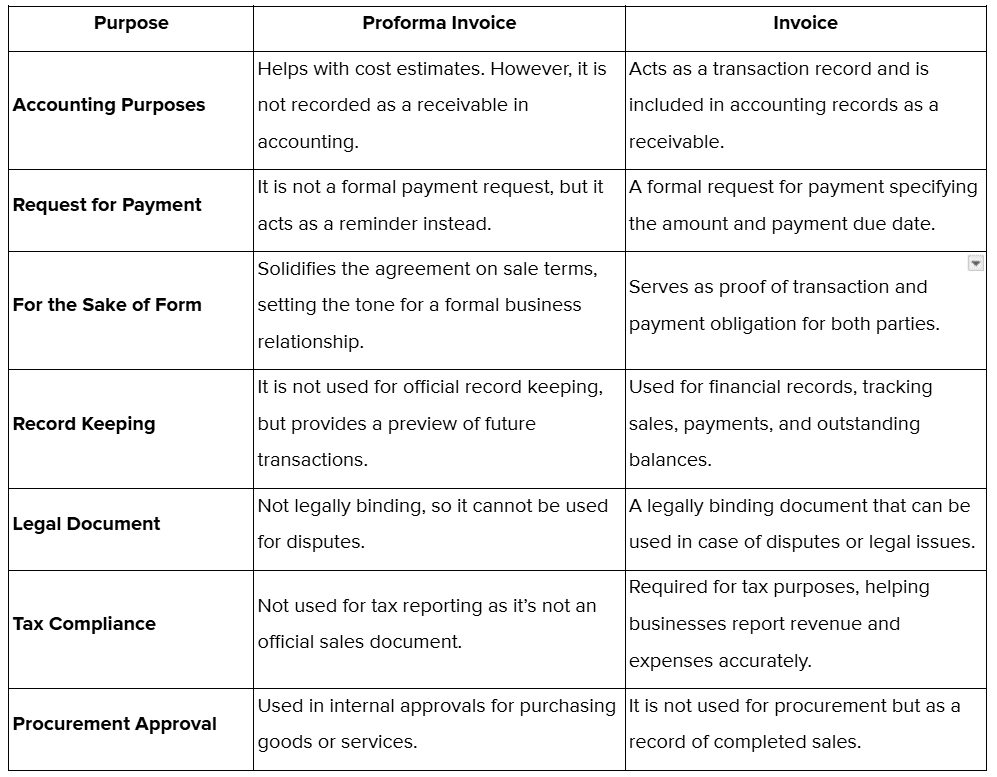
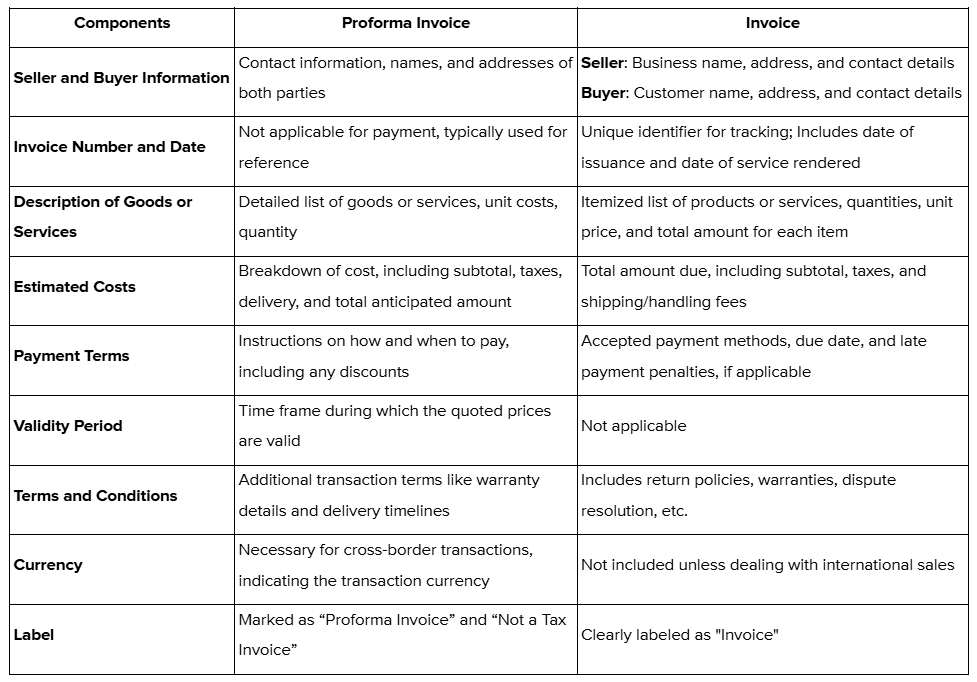
The table below outlines the key elements of both proforma invoices and invoices. While proforma invoices serve as a preliminary estimate and facilitate negotiations, invoices record completed transactions.
Having explored the key components of both types of invoice, it's clear that both serve essential functions in business transactions. Understanding their benefits and challenges will help businesses optimize their use, ensure smooth financial operations, and minimize pitfalls.
Strategically, proforma invoices can help streamline sales processes by offering potential customers a detailed cost estimate before they commit to a purchase. Invoices also build a stronger connection with your clients. However, both types have drawbacks.
The benefits of a proforma invoice lie primarily in its role as a preliminary document to facilitate business negotiations. Key benefits include:
While proforma invoices serve as valid preliminary documents, they come with specific challenges:
An invoice compels the customer to make payment as per the legal context. Here are some advantages of an Invoice.
Some potential challenges are associated with using invoices, often stemming from poor management and ineffective processes.
Proforma invoices help estimate costs and set expectations, while invoices formalize payment requests and serve as legal records. Understanding the benefits and challenges between the two ensures accurate budgeting, smooth cash flow, and compliance with financial documentation requirements.
Efficient invoicing is pivotal to your business's growth and operational success. You can manage finances and ensure smooth business operations by maintaining clear communication with customers, meticulously tracking sales, and organizing payment processes.
Integrating robust invoicing tools alongside a reliable payment solution can further streamline these processes. PayGlocal enhances this experience by offering local payment methods tailored for international transactions. This instills customer trust and increases conversion rates and minimizes fraud risks, ensuring secure and efficient payment processing for your business. Get Started Today!
A proforma invoice is issued before a sale is finalized, and an invoice is issued once the goods or services are provided. It serves as a formal request for payment.
Nearly half of all businesses process up to 500 invoices per month, highlighting the importance of distinguishing between different types of invoices, such as Proforma and regular Invoices, to streamline operations and avoid costly errors.
What is a Proforma Invoice?
A proforma invoice is an initial document provided to a buyer before completing a sale. It serves as an estimate, outlining the goods or services, pricing, payment terms, and other relevant transaction details. It does not request payment or hold legal weight, functioning mainly as a tool for clarification and agreement.
What is an Invoice?
An invoice establishes a legal obligation for the customer to pay, ensuring the seller receives the full amount owed within the agreed-upon timeframe. As a formal document of record, an invoice cannot be canceled or altered once issued, making it quintessential for maintaining accurate sales records and safeguarding your business during audits.
What is the Purpose of a Proforma Invoice and an Invoice?
A proforma invoice and an invoice serve essential roles in the sales process.
For example, if you're involved in international trade, a proforma invoice can provide a detailed transaction estimate, especially for customs clearance purposes. On the other hand, an invoice will serve as a payment request after the sale has been finalized.
What Are the Uses of a Proforma Invoice and an Invoice?
Let’s consider a situation-based use case in which proforma invoices and commercial invoices are used in export transactions.
Businesses ideally use Proforma invoices under the following circumstances.
- Price or Product Requests: When a potential buyer requests a price estimate or product list, sending a proforma invoice clarifies what’s included in the agreement and the total costs.
For example, a buyer might ask for a quote on shipping costs, product pricing, and other fees. A proforma invoice clearly outlines these details to avoid surprises.
- Commitment to Deliver Goods/Services: A proforma invoice can show the buyer your commitment to fulfilling the order.
For example, if you're bidding for an international contract, you may provide a proforma invoice to show your seriousness and understanding of the costs.
- Cost Estimates for Budgeting: When working with tight budgets or needing financial approval, providing a proforma invoice gives the buyer an accurate estimate of the costs involved.
For example, if you manage a large-scale export project, a proforma invoice helps the buyer assess whether the costs align with their financial plans.
Learn more about the proforma invoice in export creation here.
Invoices are ideally used by businesses/exporters under the following circumstances.
- Export Transactions: Exporters send an invoice to request payment from international buyers after shipping products. This confirms that the goods have been delivered and specifies the amount due for the transaction.
- Freelancers Offering Services: Freelancers working with clients, whether domestic or international, send an invoice to request payment once services are rendered, confirming the scope of work and payment expectations.
- Service Providers and Contractors: A plumbing service or contractor provides an invoice upon completing a job or project, detailing the specific services performed, materials used, labor hours, and total cost.
To ensure timely payment, invoices must be sent promptly after delivery or service completion, whether with goods or separately. Proforma invoices help exporters set clear expectations.
The Components of Proforma Invoices and Invoices
The table below outlines the key elements of both proforma invoices and invoices. While proforma invoices serve as a preliminary estimate and facilitate negotiations, invoices record completed transactions.
Having explored the key components of both types of invoice, it's clear that both serve essential functions in business transactions. Understanding their benefits and challenges will help businesses optimize their use, ensure smooth financial operations, and minimize pitfalls.
Benefits and Challenges of a Proforma Invoice and Invoice
Strategically, proforma invoices can help streamline sales processes by offering potential customers a detailed cost estimate before they commit to a purchase. Invoices also build a stronger connection with your clients. However, both types have drawbacks.
Benefits of a Proforma Invoice
The benefits of a proforma invoice lie primarily in its role as a preliminary document to facilitate business negotiations. Key benefits include:
- Estimate of Costs: A proforma invoice provides an accurate breakdown of the expected costs, including product prices, taxes, and delivery fees.
- Non-binding Proposal: Unlike official invoices, a proforma invoice is not legally binding, allowing both parties to adjust terms before finalizing a deal.
- Facilitates Negotiation: It acts as a tool for negotiating terms between the buyer and seller on the pricing and conditions before a sale is confirmed.
- Financial Planning: For buyers, it is a helpful tool for budgeting and securing approvals for funding or purchases before the transaction is finalized.
- Clarity in Intent: It outlines the seller's intention to provide goods or services at a specific price, ensuring transparency and helping avoid misunderstandings.
Challenges of a Proforma Invoice
While proforma invoices serve as valid preliminary documents, they come with specific challenges:
- Risk of Misunderstanding: Customers may mistake a proforma invoice for a final bill, leading to confusion about payment expectations.
- No Legal Enforcement: As non-binding documents, proforma invoices cannot be used to enforce payment, leaving sellers with limited recourse if a buyer backs out.
- Potential for Cost Variations: Due to unforeseen charges or taxes, final costs may differ from the proforma invoice.
- Financial Tracking Complexity: Without proper invoicing systems, using proforma invoices can complicate the management of accounts payable and receivable.
- International Misunderstandings: In cross-border trade, terminology or business practices differences can lead to misinterpretations of the proforma invoice.
Benefits of an Invoice
An invoice compels the customer to make payment as per the legal context. Here are some advantages of an Invoice.
- Clear Documentation: Customers understand the breakdown of goods and services for which they are billed.
- Record-Keeping: Invoices help businesses maintain proper records, which are essential for tax reporting, compliance, and documentation for up to 6 years.
- Professional Image: Well-structured invoices enhance your brand's image, showcasing professionalism and improving customer satisfaction.
- Legal and Tax Compliance: Issuing invoices ensures adherence to tax regulations, avoidance of penalties, and financial transparency.
Challenges of an Invoice
Some potential challenges are associated with using invoices, often stemming from poor management and ineffective processes.
- Poorly Drafted Invoices: Vague or unclear invoices may lead to misunderstandings or disputes, delaying payments.
- Inaccurate Information: If sales or service details are not accurately recorded, invoices may appear unclear and be questioned by customers.
- Late Issuance: Delaying invoice issuance can lead to customers procrastinating on payments, making it harder to collect dues promptly.
Proforma invoices help estimate costs and set expectations, while invoices formalize payment requests and serve as legal records. Understanding the benefits and challenges between the two ensures accurate budgeting, smooth cash flow, and compliance with financial documentation requirements.
Conclusion
Efficient invoicing is pivotal to your business's growth and operational success. You can manage finances and ensure smooth business operations by maintaining clear communication with customers, meticulously tracking sales, and organizing payment processes.
Integrating robust invoicing tools alongside a reliable payment solution can further streamline these processes. PayGlocal enhances this experience by offering local payment methods tailored for international transactions. This instills customer trust and increases conversion rates and minimizes fraud risks, ensuring secure and efficient payment processing for your business. Get Started Today!