
A subscription business can lose a customer without the customer ever deciding to leave.
The plan is active. The customer still wants the service. Then a renewal payment fails because the card expired, the issuer declined it, or the recurring credential no longer works.
That is why recurring billing is not simply “charging the same card every month”. It is the system that keeps billing terms, payment credentials, renewal attempts and recovery logic working together across the customer lifecycle.
The plan is active. The customer still wants the service. Then a renewal payment fails because the card expired, the issuer declined it, or the recurring credential no longer works.
That is why recurring billing is not simply “charging the same card every month”. It is the system that keeps billing terms, payment credentials, renewal attempts and recovery logic working together across the customer lifecycle.
TL;DR
- Recurring billing automatically calculates and collects repeat payments according to agreed subscription or usage terms.
- Fixed, usage-based, per-user and hybrid models determine what to charge; the payment system determines whether the renewal actually succeeds.
- Failed renewals can create involuntary churn, so businesses should track renewal success and recovery rates, not only new subscriptions.
- PayGlocal supports recurring payments and standing instructions on international cards, including fixed or variable amounts and smart retries.
Where does recurring revenue leak?
Leak 1: the mandate is set up badly
Before future charges can happen, the customer must agree to the recurring arrangement.
That means clearly defining:
- billing frequency
- fixed or variable amount
- renewal terms
- cancellation terms
- applicable payment authorisation
For merchants, the goal is not to repeatedly store and reuse raw card details. Modern recurring-card flows use secure stored credentials or tokenisation so future charges can be initiated without the customer re-entering the card number each cycle.
Leak 2: the billing model does not match how customers use the product
Recurring billing does not always mean the same monthly amount.
| Billing model | How the amount is calculated | Typical use |
|---|---|---|
| Fixed | Same amount each cycle | Memberships, SaaS plans |
| Usage-based | Based on consumption | APIs, cloud services |
| Per-user | Based on seats/users | B2B SaaS |
| Tiered | Changes by plan or volume | Software platforms |
| Hybrid | Fixed base plus usage | Infrastructure, SaaS |
The billing engine must know what amount is due, while the payment infrastructure must be capable of collecting it under the customer's agreed mandate.
Leak 3: the first payment works, but the renewal fails
The first payment happens while the customer is actively checking out.
Renewals happen later, often without the customer present.
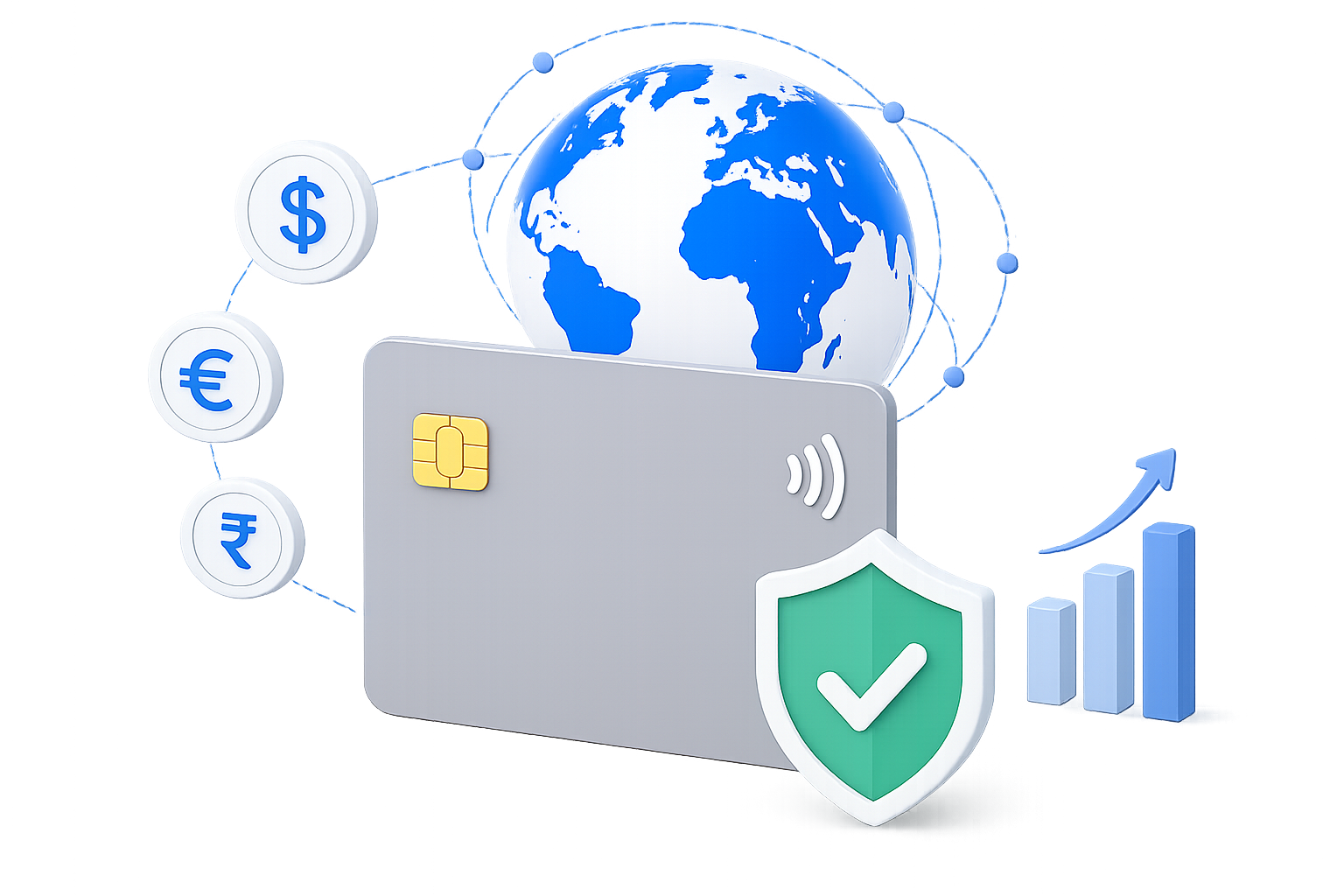
A recurring charge can fail because:
- the card expired or was replaced
- the issuer declined the transaction
- available balance or credit was insufficient
- the stored credential became invalid
- fraud or risk controls rejected the payment
- the acquiring route or network experienced an issue
This is involuntary churn when the customer still wants the subscription but payment failure interrupts it.
Track renewal payment success rate.
Leak 4: every failed payment gets treated the same
A failed renewal does not always mean “retry immediately”.
A useful recovery system can combine:
- decline information
- intelligent retry timing
- token/account-updater capabilities where available
- alternate payment routing
- customer reminders
- payment-method update flows
- a defined dunning window
Retrying the same transaction repeatedly without understanding why it failed can create more friction without recovering revenue.
Measure recovery rate: the percentage of initially failed recurring payments that are successfully collected later.
Leak 5: international recurring payments are treated like domestic ones
Cross-border cards introduce additional variables:
- issuer country
- merchant/acquirer location
- currency
- authentication
- card-network rules
- fraud signals
- routing quality
PayGlocal's current recurring product is designed for international debit, credit and prepaid cards. It supports standing instructions and subscription plans with fixed or variable payment amounts.
Its recurring-payment flow checks card support during registration, captures the mandate, and then initiates debits according to the agreed billing cycle. PayGlocal also advertises smart retry logic for eligible failed attempts.
How are recurring payments regulated in India?
For eligible recurring payments using India-issued cards, PPIs and UPI, RBI's e-mandate framework includes customer-protection requirements.
Registration and the first transaction require Additional Factor of Authentication (AFA). Issuers must generally send the customer a pre-debit notification at least 24 hours before the charge.
For most categories, subsequent recurring transactions above ₹15,000 require AFA.
The threshold is ₹1 lakh per transaction for specified categories:
- mutual-fund subscriptions
- insurance-premium payments
- credit-card bill payments
These domestic e-mandate rules should not be automatically applied to PayGlocal's international-card recurring product, which operates under the applicable cross-border, issuer and card-network requirements.
What should a recurring business measure?
A useful recurring-payments dashboard should answer:
First-payment success: Can customers start the subscription?
Renewal success: How many scheduled debits succeed?
Recovery rate: How many failed renewals are recovered?
Involuntary churn: How many customers are lost because payment failed?
Revenue recovered: How much subscription revenue did retries and payment updates save?
How PayGlocal supports international recurring payments
PayGlocal supports recurring payments, subscriptions and standing instructions for businesses collecting on international cards.
Its current product supports:
- fixed and variable recurring amounts
- international credit, debit and prepaid cards
- recurring mandate registration
- automated billing cycles
- smart retry logic
- payment and subscription status visibility
Codeyoung provides one example of the broader payment infrastructure impact. PayGlocal reports that the edtech company's international payment success rate increased from 75% to 95%, while standing instructions supported its recurring collection model.
For a subscription business, every improvement in renewal approval protects revenue the customer has already agreed to pay.