
What are acquirers in payment processing?
Payments
9 min read

2025-11-26

What are acquirers in payment processing?


Key Takeaways


  • Acquirers act as intermediaries between your business and global customers, ensuring that payments flow securely and efficiently from the buyer’s bank into your business account, regardless of location.

  • A reliable acquirer protects your transactions by managing chargebacks, enforcing fraud detection systems, and ensuring compliance with financial regulations.

  • The best options provide faster settlements, transparent pricing, and scalable features that align with your business model. This is especially important for freelancers and exporters working with international clients.

  • PayGlocal is specifically designed for businesses that handle global payments. It simplifies cross-border transactions by offering multi-currency support, built-in compliance, and seamless integrations, providing better control without the complexity of technical requirements or hidden fees.


  • Managing multiple payments shouldn’t slow you down, especially when you’re running a business that works across borders. Whether you're a freelancer, SMB, or exporter in India, handling international transactions comes with its own set of complexities. That’s where acquirers step in.

    Acquirers are the behind-the-scenes players that make it possible for you to accept payments from customers worldwide, securely, efficiently, and without the red tape. They ensure that every transaction flows smoothly from the customer’s card to your business account.

    In this guide, we’ll break down what acquirers do, why they matter in modern payment processing, and how to choose the right one to keep your global payments fast, secure, and friction-free.

    What are acquirers?


    Acquirers are payment processors that act as intermediaries between businesses (merchants) and card payment networks. You might have heard of Visa, Mastercard, and American Express. Simply put, an acquirer is the financial institution that allows your business to accept card payments.

    The right acquirer can make or break a business's payment experience with cross-border transactions. They provide the tech and support to ensure that those payments are processed securely, quickly, and with minimal friction.

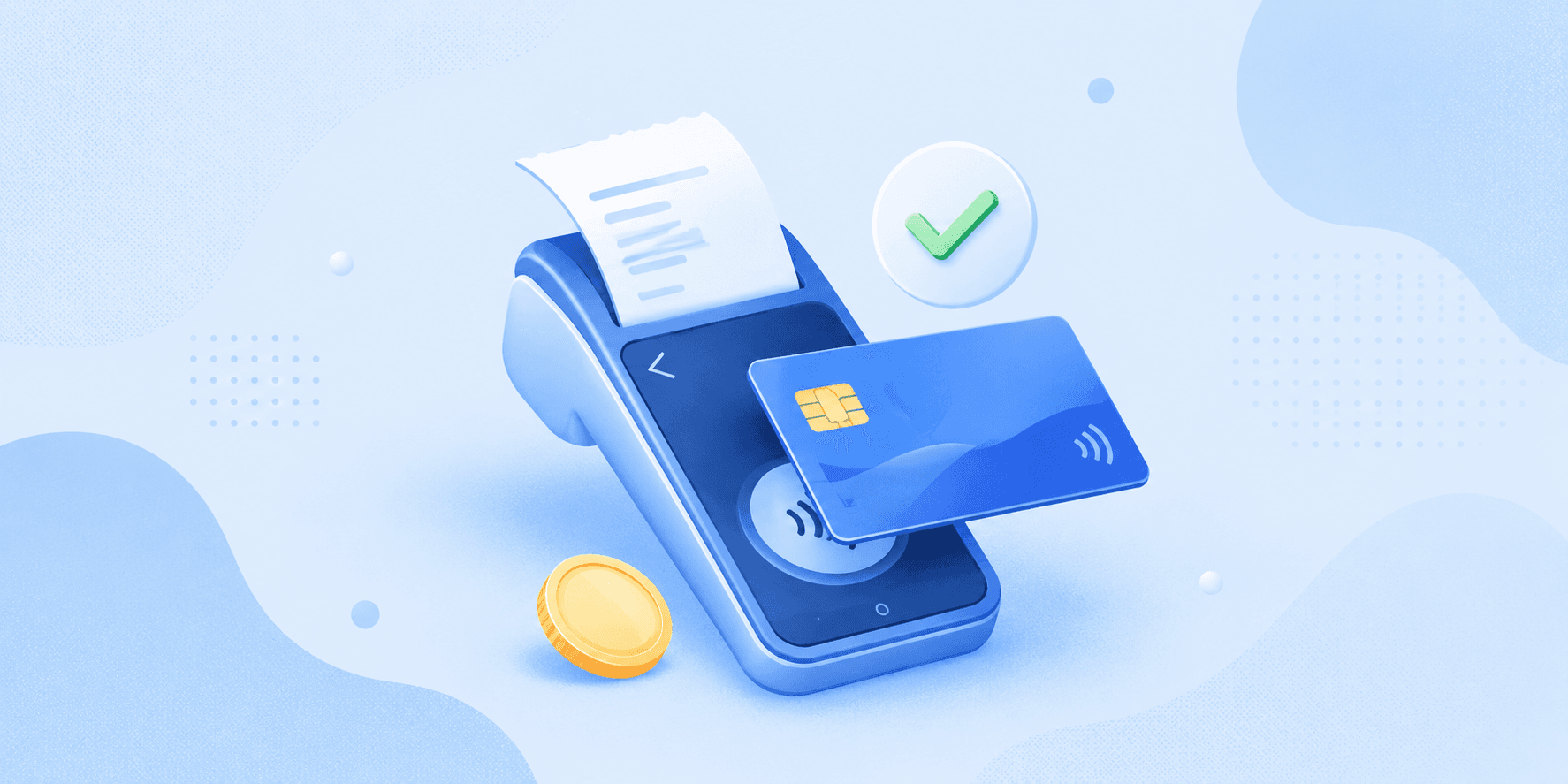
    Here’s how it works: When a customer pays using a card, the acquirer communicates with the issuing bank (the customer’s bank) to authorize the transaction. Once approved, the acquirer ensures the funds are settled into your business account.

    Take, for example, a small business owner based in India billing a client in the U.S. The acquirer handles everything in the background: from talking to the client’s bank to getting the money safely into the client's Indian bank account.

    In short, acquirers are your payment backbone, handling the heavy lifting so you can focus on growing your business.

    Top acquirers across the world: Who’s powering global payments?


    If you’re running a business that serves global clients, the right acquirer can make international payments feel local. If you know who handles your payments behind the scenes and which fits your business best, you will be able to make better decisions.

    Key players in the UK


    Barclaycard Business: A prominent acquirer in the UK, providing various payment solutions for businesses of all sizes. Their strong reputation and long-standing experience make them a reliable partner for merchants. They’re especially popular among service providers and e-commerce platforms.

    Elavon: A global acquirer known for its customizable payment solutions for merchants. They serve a wide variety of industries with both physical and online payment tools. Freelancers in digital services find them flexible and easy to use.

    Global Payments: A leading acquirer providing various services, from online payment processing to in-person transactions. They focus on innovation and integration across multiple platforms. Independent developers with SaaS products often rely on their API-based tools.

    Lloyds Bank Cardnet: A trusted acquirer for businesses looking for seamless payment solutions. Their connection with Lloyds Bank offers added security and banking convenience. This makes them ideal for professional service providers.

    Key players in Australia


    Square: Popular for its user-friendly point-of-sale system and ease of use for small businesses. Their portable hardware and flat-rate pricing appeal to startups and freelancers. They’ve gained traction among Indian solopreneurs shipping products internationally.

    ANZ: One of the largest acquirers in Australia, offering comprehensive payment processing services. Retail and commercial enterprises widely use their services. Freelancers who serve clients in the APAC region often find ANZ convenient.

    CBA (Commonwealth Bank of Australia): A trusted financial institution providing integrated payment solutions. Their tools are designed to scale with growing businesses. Software developers looking to enter foreign markets prefer CBA for stability.

    Cuscal: Known for innovative payment services catering to large and small enterprises. They also support a range of digital wallet services. This makes them suitable for Indian freelancers accepting e-wallet payments.

    Fiserv: A global acquirer that offers advanced payment technology to businesses. Their services are highly secure and include fraud prevention systems. Exporters dealing with high-value orders appreciate their security framework.

    Key players in India


    PayGlocal: Simplifies international payments for Indian freelancers and exporters by offering a multi-currency account, ensuring better control over transaction fees and currency conversion.

    Razorpay: Razorpay has built a strong presence in India’s payment ecosystem with its developer-first tools and wide integrations. It’s a solid option for SaaS platforms and e-commerce brands accepting international cards.

    However, Indian freelancers and exporters who want more control over foreign currency, faster settlements, and transparent FX rates are considering PayGlocal. It is purpose-built to simplify international collections without building custom infrastructure or dealing with hidden fees.

    Why is the acquirer's role in payment processing important?


    Acquirers do more than simply process payments. They ensure that your transactions are secure, legal, and compliant with financial regulations. The following reasons highlight why acquirers are so critical:

    Accepting a range of payments: Acquirers enable companies to accept multiple types of card payments, meeting diverse customer preferences. This adaptability enhances customer satisfaction and drives increased sales. For Indian freelancers and exporters, this means greater global exposure and enhanced credibility.

    Legal compliance and standards: Acquirers ensure merchants meet legal requirements and card standards, like PCI-DSS, to protect card information. This avoids costly penalties and fosters consumer trust, benefiting freelancers with enterprise clients abroad.

    Card network support: Acquirers assist businesses in connecting with major card networks like Visa, MasterCard, and American Express to accept various cards. This access is crucial for expanding customer reach. Even small Indian tech firms can serve clients in Europe and the US.


    Note:

    While Visa, Mastercard, and American Express are global card networks used worldwide, acquirers operate locally or regionally to process payments. For example, PayGlocal, RazorPay, etc., are specifically designed to help Indian businesses accept payments from international clients across these networks and acquirers. They act as a bridge that simplifies cross-border payments by managing currency conversions, compliance, and settlements into Indian bank accounts.

    This means PayGlocal isn’t a US or UK-based acquirer but a payment partner focused on making international collections easier for Indian businesses.


    How does an acquirer help in security and risk management?


    Acquire help in security and risk management

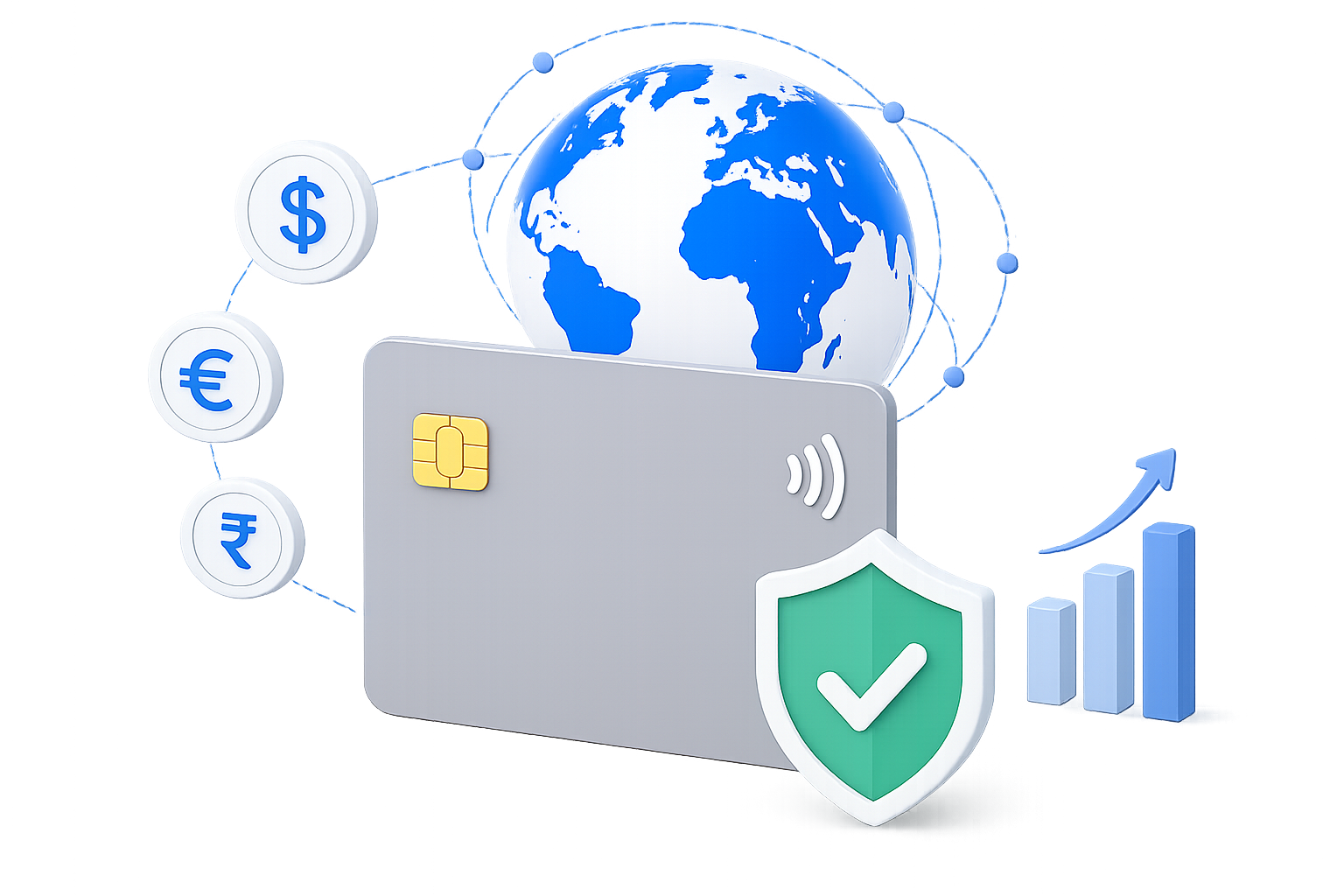
    From encryption to real-time fraud detection, acquirers ensure every transaction is safe for you and your customers. This means fewer chargebacks, less risk, and peace of mind while you focus on growing your business.

    Transaction security: Acquirers implement security standards to safeguard transactions. This involves monitoring for suspicious activity and protecting customer data. This level of oversight reassures clients when making cross-border payments.

    Chargeback handling: They manage chargebacks and associated liabilities. Their systems assess disputes and communicate with issuing banks to resolve conflicts effectively. Freelancers gain from having professional support in addressing refund-related claims.

    Merchant vetting: Their vetting process involves overseeing merchants to reduce risk. Acquirers perform background checks and continually evaluate merchant activity for compliance. This process also assists freelancers in proving their legitimacy to international clients.

    How to choose the right acquirer for your business


    Picking the right acquirer isn’t just a checkbox; it can directly impact how fast and smoothly you get paid. To make the best choice, focus on key factors that matter to your business needs and growth goals.

    Types of payments: Depending on your need for in-person payments, online transactions, or mobile payments, ensure the acquirer supports the necessary payment methods. This allows your customers to pay in their preferred manner. Freelancers frequently emphasize the importance of support for online and recurring billing.

    Business type and volume: The acquirer’s services should align with your business size, whether it is a small startup or a large enterprise. Volume-based pricing and scalable features significantly impact profitability. For example, developers of subscription-based apps need scalable payment models.

    Customer service: Seek acquirers that provide robust customer support to address any technical or financial issues that arise. Rapid problem resolution can minimize downtime and lost sales, which is crucial for freelancers who cannot afford service interruptions.

    Fees and value: Examine transaction fees, setup expenses, and additional charges to guarantee you receive good value for your business requirements. Clear pricing structures can simplify long-term budgeting. Small exporters need to be particularly mindful of cross-border fees.

    When speed, transparency, and global reach matter most, many businesses choose PayGlocal because it’s built to deliver. Sign up for free with PayGlocal and see how other businesses have made cross-border payments easier than ever.

    Conclusion


    Acquirers guarantee secure, reliable, and efficient payment processing. When it comes to cross-border transactions, choosing the right acquirer helps reach more customers worldwide. The right acquirer streamlines transactions, enhances security, and reduces operational risk, whether accepting payments in India or from international clients.

    Are you ready to grow your global client base with fewer payment hurdles? Contact PayGlocal today!

    FAQs


    What is an acquirer in payment processing?

    An acquirer is a financial institution or payment processor that enables businesses to accept card payments by acting as an intermediary between merchants and card networks.

    How do acquirers manage chargebacks?

    Acquirers handle chargebacks by investigating disputes between merchants and consumers. They assess the legitimacy of the chargeback and ensure that the process is carried out according to the card network’s rules.

    Do acquirers offer fraud protection?

    Yes, acquirers implement various security measures, such as encryption and fraud detection tools, to protect merchants and consumers from transaction fraud.

    Can Indian freelancers and exporters use international acquirers?

    Yes, but they may face challenges with onboarding and compliance. PayGlocal simplifies international transactions by offering easy integration and support for Indian businesses.

    How do fees differ between local and international acquirers?

    International acquirers often include cross-border fees, currency conversion charges, and higher transaction costs. Reviewing the fee structure carefully is essential, especially for small-value, high-frequency transactions.

    What is the difference between a payment processor and an acquirer?

    A payment processor manages the technical side of card transactions, facilitating communication between the merchant, card networks, and banks. An acquirer is a financial institution managing the merchant’s account, authorizing payments, and settling funds.