
TL;DR
- Amazon FBA is convenient, but it's not the only fulfillment option. Rising fees, limited branding control, and increasing competition have led many sellers to explore alternatives in 2025.
- Providers like ShipBob, ShipMonk, FedEx Fulfillment, eFulfillment Service, and Red Stag Fulfillment offer different strengths, from lower costs and custom packaging to global shipping and specialized handling.
- The right fulfillment partner is only half the equation. As you expand internationally, a cross-border payment solution like PayGlocal helps you accept global payments, manage multiple currencies, and simplify international growth.
The e-commerce industry today has shaped itself into a dynamic, digitized spear. A few services have captivated the sellers quite like Amazon FBA (Fulfillment by Amazon).
Amazon FBA has long been the go-to fulfillment option for online sellers, but it’s not the only game in town. As fees rise and competition tightens, many sellers in 2025 are exploring alternative fulfillment solutions that offer better margins, more control, and greater flexibility.
Whether you’re looking to cut costs, build your brand independently, or avoid Amazon’s strict policies, there are plenty of reliable options available. In this guide, we’ll walk you through the top Amazon FBA alternatives that can help you grow your business on your own terms this year.
## Overview of the Amazon FBA
Amazon FBA (Fulfillment by Amazon) has been a popular choice for global e-commerce sellers, freelancers, and exporters looking to simplify the complexities of cross-border order fulfillment.
FBA lets you store your products in Amazon’s warehouses while Amazon takes care of picking, packing, shipping, and customer service. This hands-off approach allows sellers to focus on growth and sales while Amazon handles the operational backend.
For international sellers dealing with overseas customers or buyers on Amazon’s global marketplaces (like Amazon US, UK, or EU), FBA offers a direct route into new markets without having to build local infrastructure. But while it offers undeniable convenience, it's important to understand both its strengths and limitations before committing.
## Why Businesses Choose Amazon FBA?
Amazon FBA offers businesses a hassle-free way to manage storage, shipping, and customer service, enabling them to focus on growth. Its access to Amazon Prime customers and global fulfillment network makes it a popular choice for sellers expanding internationally. Here are the main reasons why businesses choose Amazon FBA.
1. Simplified Fulfillment Logistics: Once your inventory is shipped to Amazon’s fulfillment centers, they manage everything from storage to last-mile delivery. This is especially helpful for global sellers who want to avoid setting up local warehouses or negotiating shipping with individual couriers.
2. Prime Access for Global Customers: FBA listings automatically become eligible for Amazon Prime, opening your products to a vast base of Prime members who expect fast and reliable delivery. This can significantly boost international visibility and sales.
3. Global Scalability: Whether you're a small exporter shipping handmade goods or a growing e-commerce brand expanding across borders, FBA can scale with your volume. You don’t need to worry about hiring staff or expanding warehouse space as your order volume increases.
4. Trust and Credibility: Buyers are more likely to purchase from FBA listings because they associate Amazon fulfillment with reliability. This is especially valuable for newer or lesser-known sellers trying to build trust in foreign markets.
5. Built-in Customer Support and Analytics: Amazon handles most post-sale customer service and offers detailed dashboards to track sales performance, returns, inventory movement, and buyer behavior, essential tools for sellers managing international demand.
## Why Businesses Look For Amazon FBA Alternatives?
While Amazon FBA offers convenience and scale, its costs and limitations can impact sellers’ profits and control. Many businesses, especially exporters and international sellers, seek alternatives better to manage expenses, branding, and customer experience.
1. High Fees: While FBA offers convenience, the costs can quickly accumulate. Sellers face various fees, including storage fees, fulfillment fees, and additional charges for long-term storage or returns. These expenses can significantly cut into profit margins, especially for those with lower-priced items.
2. Limited Control: With FBA, sellers must relinquish a degree of control over their inventory and fulfillment processes. This can be particularly challenging when it comes to managing stock levels, customizing packaging, and handling customer interactions. Sellers may find themselves constrained by Amazon's policies and operational guidelines.
3. Inventory Management: Maintaining optimal inventory levels can be tricky within the FBA framework. Overstocking can lead to high storage fees, while understocking can result in lost sales opportunities and a negative impact on product rankings.
4. Return Policies: Amazon's return policies are customer-centric, meaning that sellers may face challenges with returns and refunds. The hassle of dealing with returns can be time-consuming and costly, particularly if items are damaged or frequently returned.
5. Competition: The appeal of FBA has attracted a vast number of sellers, resulting in increased competition. Standing out in a crowded marketplace can be daunting, and many sellers find it challenging to differentiate their products amidst a sea of similar offerings.
6. Dependency on Amazon: Relying heavily on Amazon for fulfillment can create vulnerabilities. Changes in Amazon’s policies, algorithms, or fee structures can directly impact a seller’s business. This dependency can lead to uncertainties and challenges in long-term planning.
Given these challenges, many sellers find it valuable to explore other fulfillment options that offer greater flexibility and control, while still supporting growth and customer satisfaction. These alternatives can complement your current approach or open new opportunities tailored to your unique business needs.
## 5 Popular Alternatives To Amazon FBA
Whether you prioritize affordable pricing, customized packaging, or handling bulky products, this list highlights five popular fulfillment partners to consider in 2025. Here’s a list of top Amazon FBA alternatives you may want to consider:
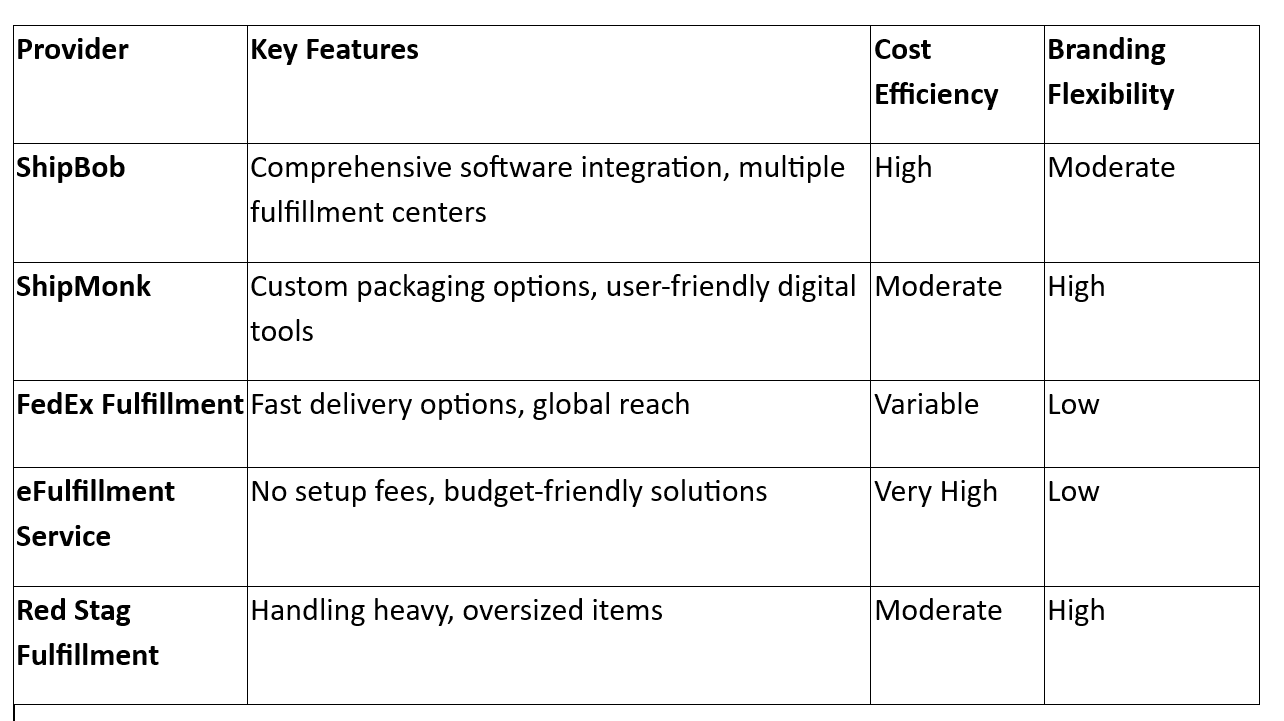
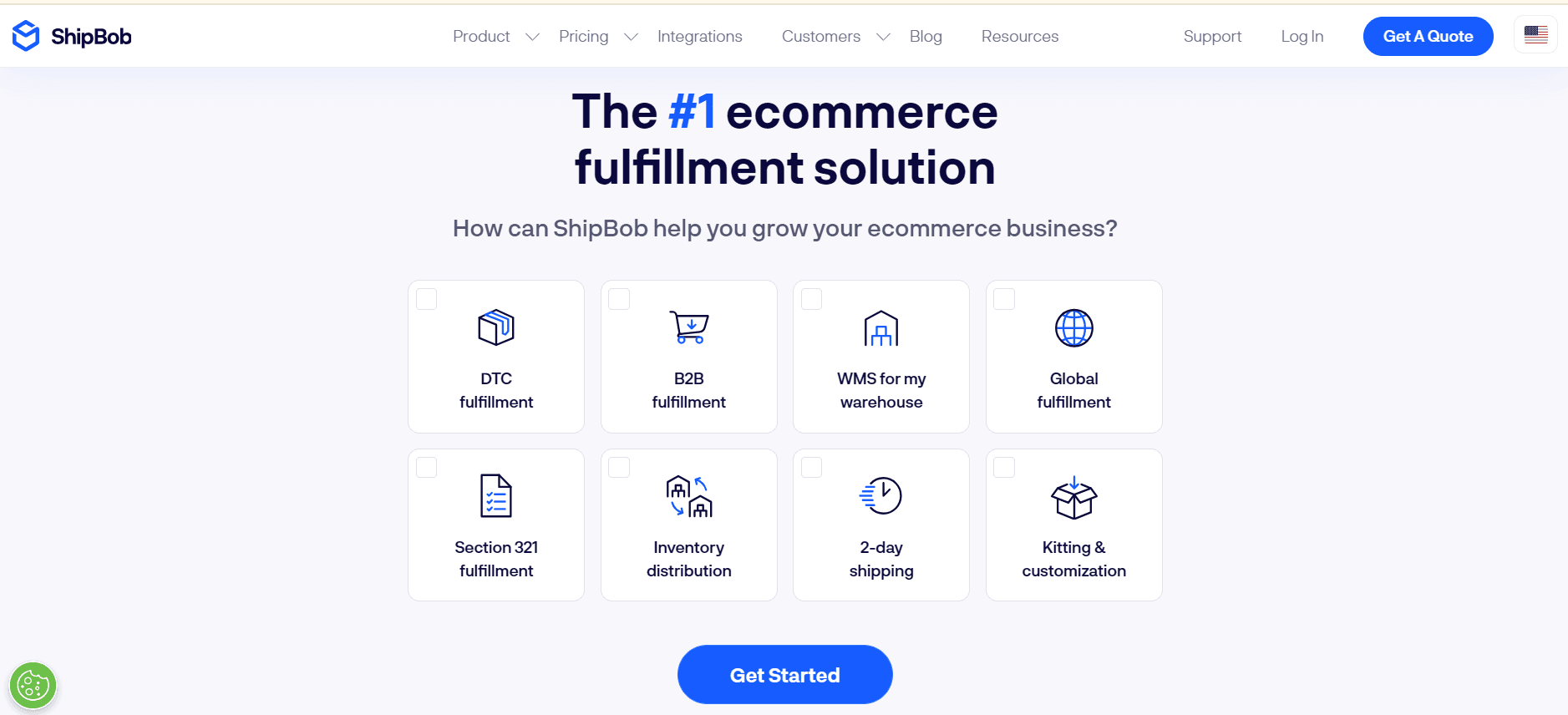
ShipBob offers software integration and multiple fulfillment centers across the U.S. and internationally. This enables fast shipping and effective inventory management, making it a popular choice for e-commerce sellers.
The features are as follows.
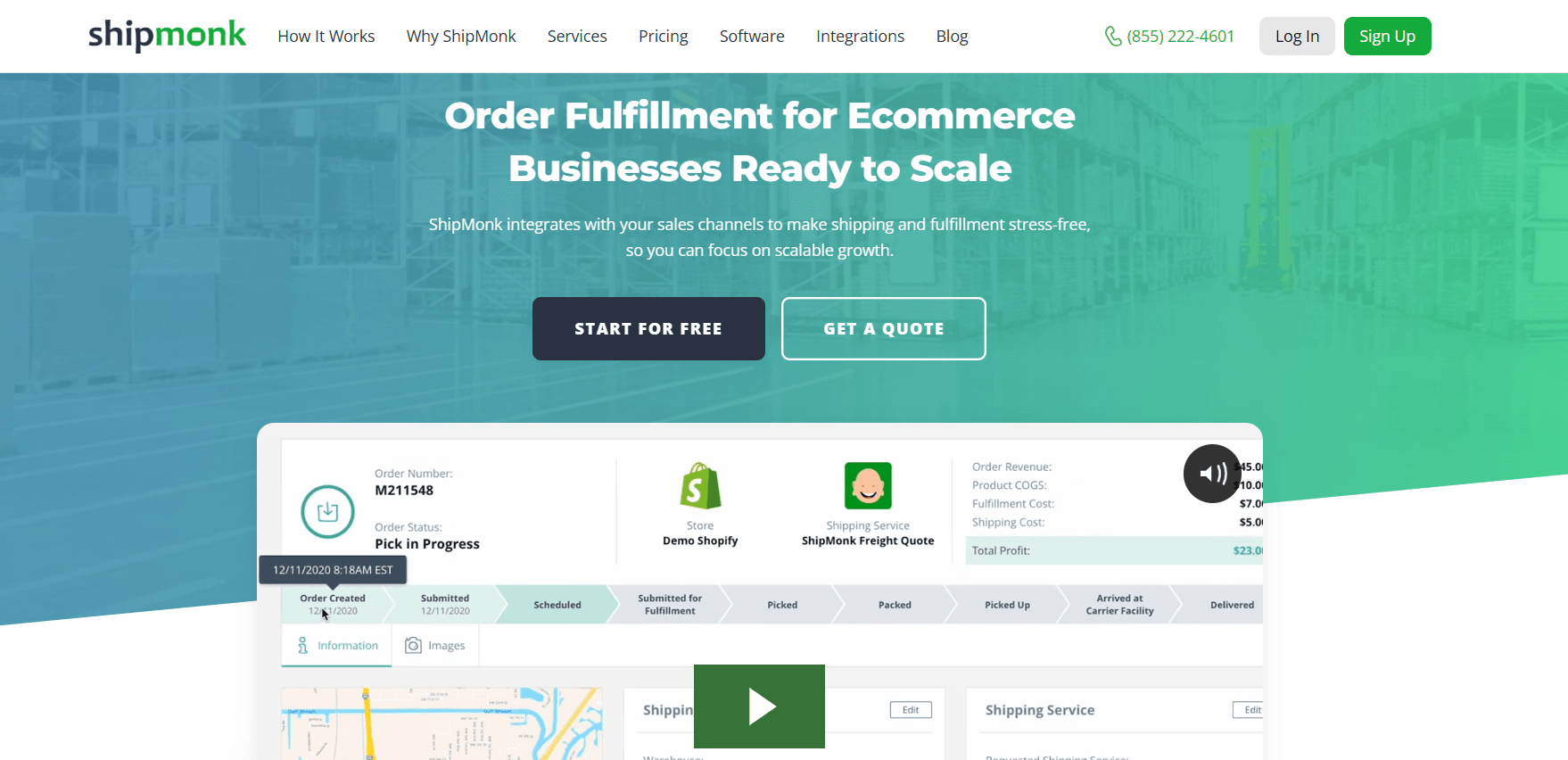
ShipMonk is known for its excellent branding and packaging flexibility. The platform provides user-friendly digital tools for inventory management and order tracking, making it a strong contender for those looking to enhance their brand presence. The features are as follows.
Ideal For: Growing brands that prioritize custom packaging and maintaining strong brand consistency.
FedEx Fulfillment offers a global reach and fast delivery options, catering to sellers seeking to expand into international markets. While it may have limited branding options, its reliability and speed are significant advantages.
- International Focus: Well-suited for businesses managing cross-border sales.
- Branding Limitations: Offers limited options for branding and custom packaging.
- Variable Pricing: Costs can fluctuate, which may be challenging for small businesses.
Ideal For: Businesses targeting international markets that prioritize speed and reliability over packaging customization.
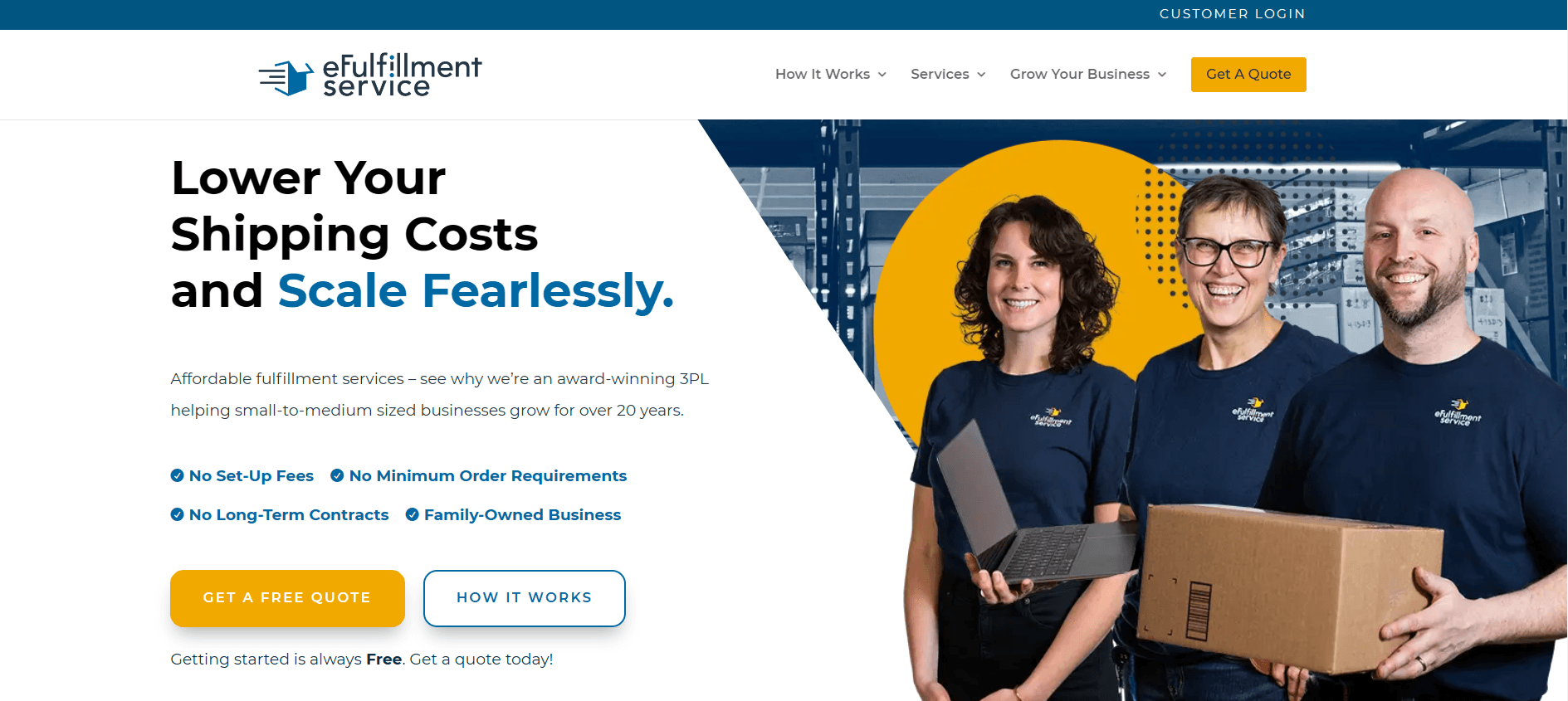
Ideal for budget-conscious sellers, eFulfillment Service offers affordable fulfillment with no setup fees. This service is particularly beneficial for those just getting started with their e-commerce venture, making the entrance painless without any initial investment. The features are as follows.
Simple Pricing: Transparent pricing structure without hidden fees.
- Suitable for Small Businesses: Ideal for sellers with variable or lower order volumes.
Limited Branding: Offers minimal options for custom packaging and branding.
Slower Shipping: Delivery speeds may be slower compared to larger fulfillment providers.
Ideal For: Small businesses and startups seeking an affordable, straightforward fulfillment solution.
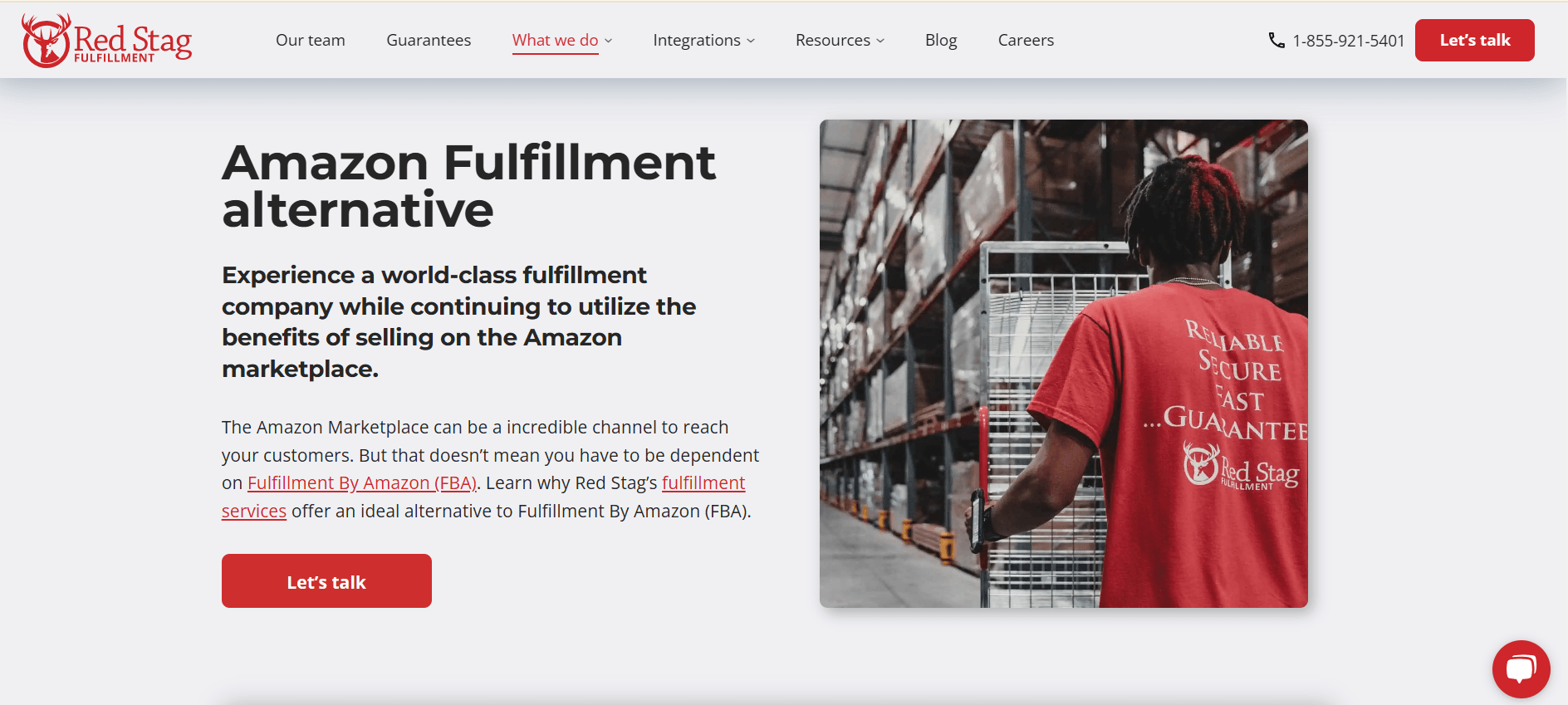
Red Stag Fulfillment specializes in handling heavy and bulky items, offering precision inventory management tailored to specific needs. Their emphasis on accuracy and quality service makes them a strong choice for sellers with specialized product lines.
- Specialized Handling: Expertise in managing oversized, heavy, and fragile items.
- High Accuracy: Maintains strong order fulfillment accuracy to minimize errors.
- Enhanced Security: Advanced security measures for handling high-value products.
- Higher Costs: Pricing tends to be higher due to specialized services.
- Limited Scope: Primarily focused on larger or heavier items, less suitable for small or lightweight products. -
Ideal For: Sellers with heavy, oversized, or valuable inventory requiring careful and precise handling.
Beyond the top five alternatives, it's crucial to consider other options and factors that can cater to unique business needs and niche markets. Exploring these alternatives ensures that sellers can find the fulfillment method that best aligns with their individual goals and market dynamics. Here’s a complete breakdown:
1. Dropshipping: This allows sellers to sell products without maintaining inventory. However, this model can come with challenges such as supplier reliability and limited control over product quality.
2. Amazon Multi-Channel Fulfillment (MCF): Amazon MCF enables sellers to fulfill orders from other sales channels using Amazon's logistics. This approach offers the reliability of Amazon while managing sales outside its platform.
3. Self Storage: For smaller sellers, self-storage can provide control over inventory and fulfillment. This method is suitable for those who want to maintain direct oversight of their operations.
Amazon FBA offers a powerful way to enhance brand control and reduce costs, but it has its own set of limitations and challenges. For businesses exploring fulfillment solutions, it’s important to remember that Amazon FBA is not a bad option; in fact, it works exceptionally well for many sellers.
However, exploring other alternatives can provide greater flexibility, cost savings, and control tailored to your unique business needs. Keeping an open mind about different fulfillment partners can help you find the best fit to support your growth and long-term success.
If you’re ready to shake things up and grow your business, exploring new fulfillment options is the perfect place to start.
But here’s the thing: handling payments across borders can get messy. That’s where PayGlocal comes in. It’s your all-in-one tool for managing multi-currency accounts, smooth card and recurring payments, and strong fraud protection, without the usual headaches.
So, as you explore the best ways to fulfill your orders, let PayGlocal take care of the money side, giving you the freedom to focus on what you do best. Your global growth story starts here.
Amazon FBA has long been the go-to fulfillment option for online sellers, but it’s not the only game in town. As fees rise and competition tightens, many sellers in 2025 are exploring alternative fulfillment solutions that offer better margins, more control, and greater flexibility.
Whether you’re looking to cut costs, build your brand independently, or avoid Amazon’s strict policies, there are plenty of reliable options available. In this guide, we’ll walk you through the top Amazon FBA alternatives that can help you grow your business on your own terms this year.
## Overview of the Amazon FBA
Amazon FBA (Fulfillment by Amazon) has been a popular choice for global e-commerce sellers, freelancers, and exporters looking to simplify the complexities of cross-border order fulfillment.
FBA lets you store your products in Amazon’s warehouses while Amazon takes care of picking, packing, shipping, and customer service. This hands-off approach allows sellers to focus on growth and sales while Amazon handles the operational backend.
For international sellers dealing with overseas customers or buyers on Amazon’s global marketplaces (like Amazon US, UK, or EU), FBA offers a direct route into new markets without having to build local infrastructure. But while it offers undeniable convenience, it's important to understand both its strengths and limitations before committing.
## Why Businesses Choose Amazon FBA?
Amazon FBA offers businesses a hassle-free way to manage storage, shipping, and customer service, enabling them to focus on growth. Its access to Amazon Prime customers and global fulfillment network makes it a popular choice for sellers expanding internationally. Here are the main reasons why businesses choose Amazon FBA.
1. Simplified Fulfillment Logistics: Once your inventory is shipped to Amazon’s fulfillment centers, they manage everything from storage to last-mile delivery. This is especially helpful for global sellers who want to avoid setting up local warehouses or negotiating shipping with individual couriers.
2. Prime Access for Global Customers: FBA listings automatically become eligible for Amazon Prime, opening your products to a vast base of Prime members who expect fast and reliable delivery. This can significantly boost international visibility and sales.
3. Global Scalability: Whether you're a small exporter shipping handmade goods or a growing e-commerce brand expanding across borders, FBA can scale with your volume. You don’t need to worry about hiring staff or expanding warehouse space as your order volume increases.
4. Trust and Credibility: Buyers are more likely to purchase from FBA listings because they associate Amazon fulfillment with reliability. This is especially valuable for newer or lesser-known sellers trying to build trust in foreign markets.
5. Built-in Customer Support and Analytics: Amazon handles most post-sale customer service and offers detailed dashboards to track sales performance, returns, inventory movement, and buyer behavior, essential tools for sellers managing international demand.
## Why Businesses Look For Amazon FBA Alternatives?
While Amazon FBA offers convenience and scale, its costs and limitations can impact sellers’ profits and control. Many businesses, especially exporters and international sellers, seek alternatives better to manage expenses, branding, and customer experience.
1. High Fees: While FBA offers convenience, the costs can quickly accumulate. Sellers face various fees, including storage fees, fulfillment fees, and additional charges for long-term storage or returns. These expenses can significantly cut into profit margins, especially for those with lower-priced items.
2. Limited Control: With FBA, sellers must relinquish a degree of control over their inventory and fulfillment processes. This can be particularly challenging when it comes to managing stock levels, customizing packaging, and handling customer interactions. Sellers may find themselves constrained by Amazon's policies and operational guidelines.
3. Inventory Management: Maintaining optimal inventory levels can be tricky within the FBA framework. Overstocking can lead to high storage fees, while understocking can result in lost sales opportunities and a negative impact on product rankings.
4. Return Policies: Amazon's return policies are customer-centric, meaning that sellers may face challenges with returns and refunds. The hassle of dealing with returns can be time-consuming and costly, particularly if items are damaged or frequently returned.
5. Competition: The appeal of FBA has attracted a vast number of sellers, resulting in increased competition. Standing out in a crowded marketplace can be daunting, and many sellers find it challenging to differentiate their products amidst a sea of similar offerings.
6. Dependency on Amazon: Relying heavily on Amazon for fulfillment can create vulnerabilities. Changes in Amazon’s policies, algorithms, or fee structures can directly impact a seller’s business. This dependency can lead to uncertainties and challenges in long-term planning.
Given these challenges, many sellers find it valuable to explore other fulfillment options that offer greater flexibility and control, while still supporting growth and customer satisfaction. These alternatives can complement your current approach or open new opportunities tailored to your unique business needs.
## 5 Popular Alternatives To Amazon FBA
Whether you prioritize affordable pricing, customized packaging, or handling bulky products, this list highlights five popular fulfillment partners to consider in 2025. Here’s a list of top Amazon FBA alternatives you may want to consider:
1. ShipBob
ShipBob offers software integration and multiple fulfillment centers across the U.S. and internationally. This enables fast shipping and effective inventory management, making it a popular choice for e-commerce sellers.
The features are as follows.
- Wide Fulfillment Network: A broad network of fulfillment centers ensures faster delivery across regions.
- Platform Integration: Strong compatibility with Shopify, WooCommerce, and other e-commerce platforms for easy order management.
- Transparent Pricing & Analytics: Clear pricing models and robust analytics tools to monitor costs and performance.
- Branding Flexibility: More control over packaging and branding compared to Amazon FBA, allowing customization.
- Cost Considerations: Expenses can increase with customization options and international shipping.
- Ideal For: Mid-sized businesses seeking efficient, scalable fulfillment with strong software integration.
2. ShipMonk
ShipMonk is known for its excellent branding and packaging flexibility. The platform provides user-friendly digital tools for inventory management and order tracking, making it a strong contender for those looking to enhance their brand presence. The features are as follows.
- Branding Flexibility: High flexibility in branding and custom packaging options.
- Advanced Management Tools: Offers sophisticated inventory management and order tracking systems.
- Customer Support: Provides dedicated support to ensure smooth fulfillment operations.
- Cost Considerations: Customization can lead to higher costs compared to simpler fulfillment services.
- Management Involvement: May require more hands-on management than some other fulfillment solutions.
Ideal For: Growing brands that prioritize custom packaging and maintaining strong brand consistency.
3. FedEx Fulfillment
FedEx Fulfillment offers a global reach and fast delivery options, catering to sellers seeking to expand into international markets. While it may have limited branding options, its reliability and speed are significant advantages.
- Global Shipping Network: Extensive international reach for handling orders worldwide.
- Reliable Delivery: Known for fast and dependable shipping services.
- International Focus: Well-suited for businesses managing cross-border sales.
- Branding Limitations: Offers limited options for branding and custom packaging.
- Variable Pricing: Costs can fluctuate, which may be challenging for small businesses.
Ideal For: Businesses targeting international markets that prioritize speed and reliability over packaging customization.
4. eFulfillment Service
Ideal for budget-conscious sellers, eFulfillment Service offers affordable fulfillment with no setup fees. This service is particularly beneficial for those just getting started with their e-commerce venture, making the entrance painless without any initial investment. The features are as follows.
- No Setup Fees: Cost-effective for new sellers with no initial setup charges.
Simple Pricing: Transparent pricing structure without hidden fees.
- Suitable for Small Businesses: Ideal for sellers with variable or lower order volumes.
Limited Branding: Offers minimal options for custom packaging and branding.
Slower Shipping: Delivery speeds may be slower compared to larger fulfillment providers.
Ideal For: Small businesses and startups seeking an affordable, straightforward fulfillment solution.
5. Red Stag Fulfillment
Red Stag Fulfillment specializes in handling heavy and bulky items, offering precision inventory management tailored to specific needs. Their emphasis on accuracy and quality service makes them a strong choice for sellers with specialized product lines.
- Specialized Handling: Expertise in managing oversized, heavy, and fragile items.
- High Accuracy: Maintains strong order fulfillment accuracy to minimize errors.
- Enhanced Security: Advanced security measures for handling high-value products.
- Higher Costs: Pricing tends to be higher due to specialized services.
- Limited Scope: Primarily focused on larger or heavier items, less suitable for small or lightweight products. -
Ideal For: Sellers with heavy, oversized, or valuable inventory requiring careful and precise handling.
Additional Fulfillment Options To Consider
Beyond the top five alternatives, it's crucial to consider other options and factors that can cater to unique business needs and niche markets. Exploring these alternatives ensures that sellers can find the fulfillment method that best aligns with their individual goals and market dynamics. Here’s a complete breakdown:
1. Dropshipping: This allows sellers to sell products without maintaining inventory. However, this model can come with challenges such as supplier reliability and limited control over product quality.
2. Amazon Multi-Channel Fulfillment (MCF): Amazon MCF enables sellers to fulfill orders from other sales channels using Amazon's logistics. This approach offers the reliability of Amazon while managing sales outside its platform.
3. Self Storage: For smaller sellers, self-storage can provide control over inventory and fulfillment. This method is suitable for those who want to maintain direct oversight of their operations.
Final Thoughts
Amazon FBA offers a powerful way to enhance brand control and reduce costs, but it has its own set of limitations and challenges. For businesses exploring fulfillment solutions, it’s important to remember that Amazon FBA is not a bad option; in fact, it works exceptionally well for many sellers.
However, exploring other alternatives can provide greater flexibility, cost savings, and control tailored to your unique business needs. Keeping an open mind about different fulfillment partners can help you find the best fit to support your growth and long-term success.
If you’re ready to shake things up and grow your business, exploring new fulfillment options is the perfect place to start.
But here’s the thing: handling payments across borders can get messy. That’s where PayGlocal comes in. It’s your all-in-one tool for managing multi-currency accounts, smooth card and recurring payments, and strong fraud protection, without the usual headaches.
So, as you explore the best ways to fulfill your orders, let PayGlocal take care of the money side, giving you the freedom to focus on what you do best. Your global growth story starts here.