
Running a business means dealing with invoices, payments, and an endless amount of paperwork. If you're still sending paper bills and waiting weeks for payments, you're missing out on faster cash flow and happier clients.
Electronic billing payment solutions solve this problem by automating the process of creating invoices and collecting payments. These systems handle everything from generating bills to processing payments and tracking transactions.
With over 40% of payments now happening digitally in India, the use of electronic billing solutions has become essential for modern businesses. Let’s find out what electronic billing solutions are, their different types, and how they work.
Electronic billing payment solutions are digital systems that automate the creation, delivery, and collection of invoices. These platforms replace paper-based billing with online processes that save time and money.
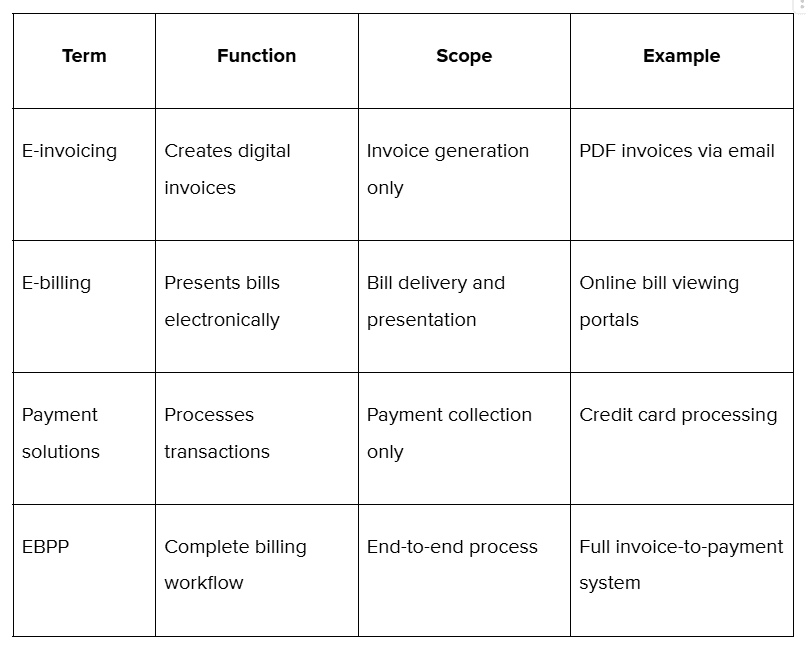
These systems are often called EBPP (Electronic Bill Presentment and Payment). They handle everything, from invoice generation to payment processing, in a single workflow.
Here's how EBPP differs from other billing solutions:
For instance, a freelance graphic designer can use the electronic billing payment solution to invoice a US client, who then pays instantly via credit card. The funds settle automatically into the designer's account with all compliance documents generated.
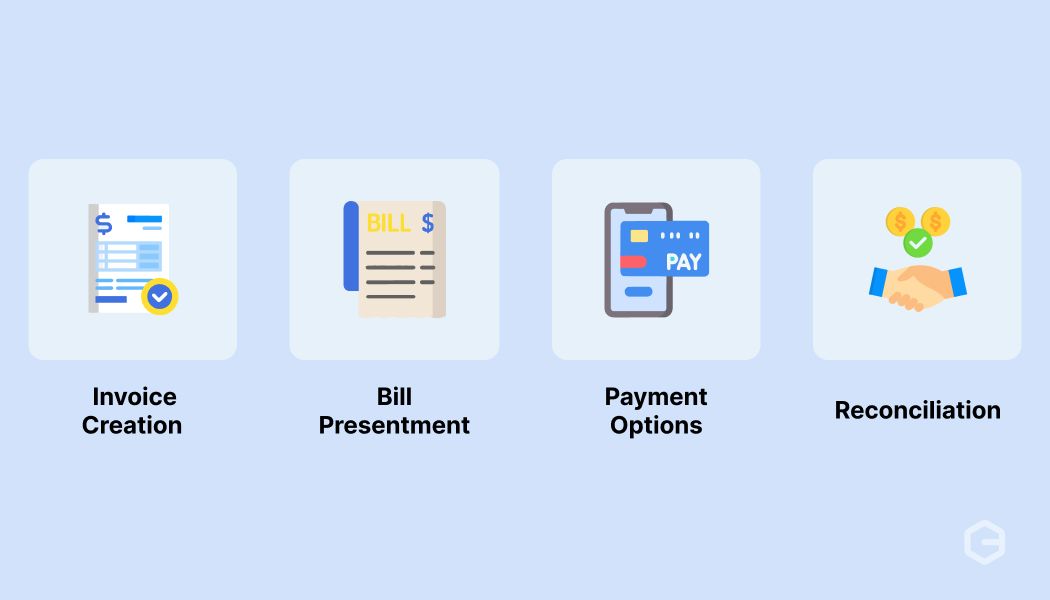
Electronic billing payment systems follow a simple process that automates your entire billing workflow: Here's how the complete process works:
Modern electronic billing systems generate invoices automatically using templates and customer data. You can pull information from your CRM, add project details, and create professional bills in minutes.
Once created, invoices are delivered to clients through email, customer portals, or SMS. Clients receive bills with clear payment instructions and multiple payment options.
The system presents various payment methods like credit cards, QR code payments, bank transfers, and local payment methods. International clients can pay in their preferred currency using familiar methods.
After payment, the system automatically handles reconciliation (matching transactions to invoices) and updates your accounting records. You get real-time notifications about payment status and can download reports for bookkeeping.
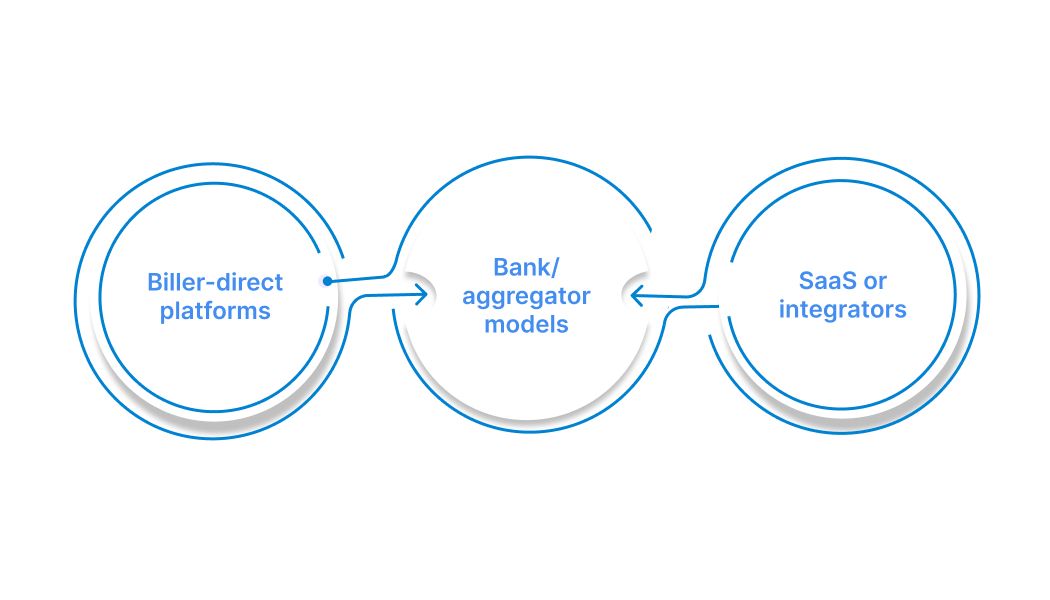
Different business needs require different billing solutions. Each type serves specific market segments and business requirements.
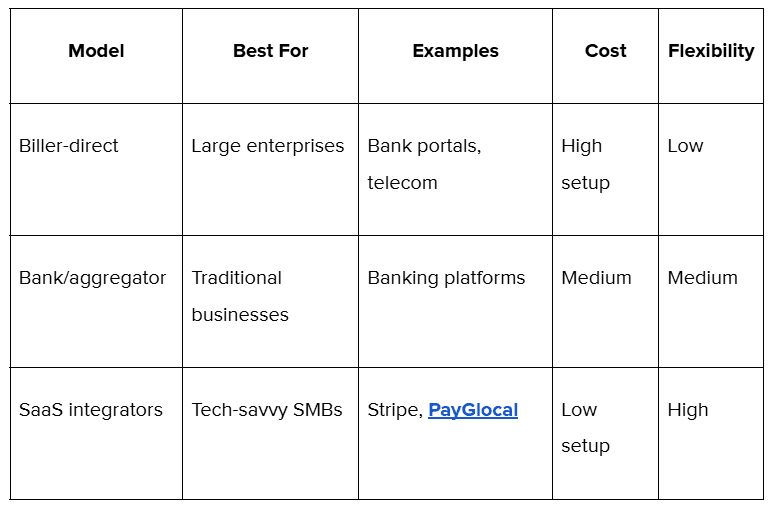
These solutions work best for large companies that send high volumes of bills directly to customers. Banks, telecom companies, and utilities typically use this model. However, they require significant technical setup and maintenance costs.
Traditional businesses often prefer bank-based billing platforms that integrate with existing banking relationships. For instance, a manufacturing company might use its bank's business portal to send invoices and collect payments. This approach feels familiar but offers limited customization compared to modern payment service providers.
Tech-savvy small and medium businesses benefit from SaaS billing solutions that integrate with existing tools. Solutions like Stripe, Razorpay, and PayGlocal provide comprehensive billing and payment processing. They offer APIs, customizable interfaces, and global payment acceptance.
Electronic billing payment solutions transform how businesses handle invoices and payments. These systems offer clear advantages over traditional paper-based processes:
Digital bills with integrated payment options significantly reduce collection time. Clients can pay immediately after receiving invoices, improving cash flow.
Automated systems eliminate manual data entry and calculation mistakes. Research shows that 63% of businesses report fewer invoicing errors when using automation.
Accept payments in USD, GBP, EUR, and other currencies without complex foreign exchange management. International clients pay in their preferred currency.
Systems automatically generate required documentation like FIRC (Foreign Inward Remittance Certificates) for export transactions. You stay compliant without extra paperwork or manual tracking.
Clients enjoy multiple payment options and instant confirmations. They can pay using credit cards, bank transfers, or local payment methods.
Monitor payment status from invoice creation to settlement. Get notifications about payment attempts, successes, and failures.
Traditional billing methods create significant obstacles for businesses trying to collect payments efficiently. These problems become more complex when dealing with international clients and cross-border transactions:
Paper-based invoicing takes days to create, print, and mail. Clients receive bills late, leading to extended payment cycles that hurt cash flow.
Businesses often wait weeks or months for payments through traditional banking channels.
International payments involve multiple banks and unclear exchange rates. Hidden fees and poor rates eat into profit margins significantly.
Export businesses struggle with manually generating required documents, such as the FIRC.
Traditional systems typically offer a limited number of payment methods, reducing payment completion rates.
Manually matching payments to invoices consumes hours of administrative time.
Digital platforms solve each of these challenges by automating workflows, providing multiple payment options, and simplifying compliance requirements.
Choosing the right electronic billing payment solution requires evaluating several key features. These factors determine how well the system serves your business needs:
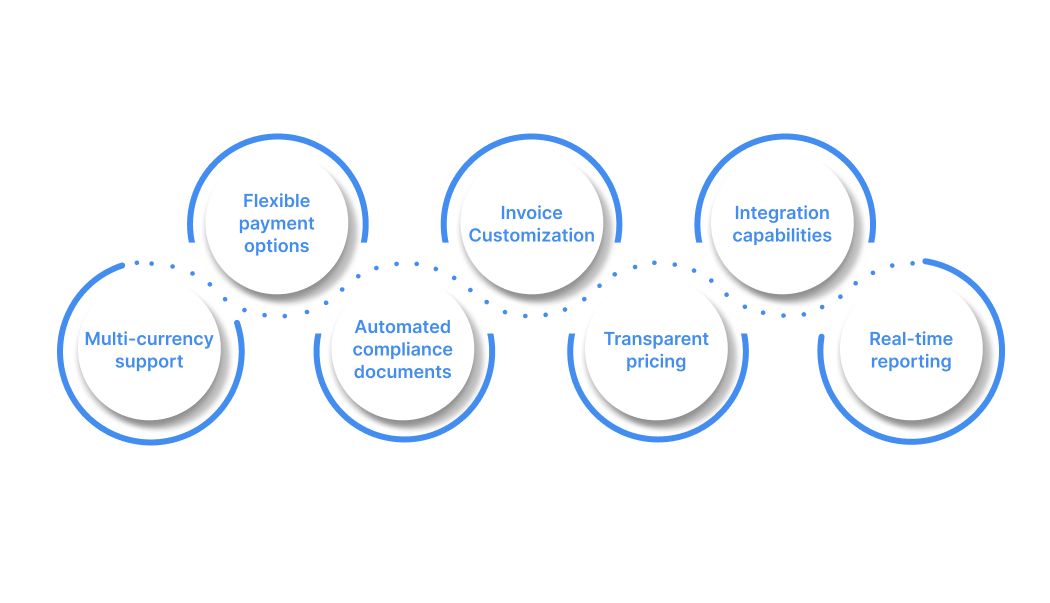
Choose systems that accept USD, EUR, GBP, and other major currencies. This capability is essential for businesses that serve international clients.
Look for platforms supporting credit cards, UPI (Unified Payments Interface), digital wallets, and bank transfers. More payment methods mean higher completion rates.
Ensure the system generates FIRA (Foreign Inward Remittance Advice)/FIRC documentation automatically.
Find solutions that match your industry needs and branding requirements.
Avoid platforms with hidden setup fees or monthly charges. Clear pricing helps you calculate costs and budget effectively.
Choose systems that connect with your existing accounting software and CRM tools.
Look for platforms offering detailed transaction reports and analytics.
Most electronic billing solutions work well for domestic transactions but struggle with international payments. Cross-border billing involves currency conversion, compliance requirements, and complex payment methods.
PayGlocal is built for exporters, freelancers, and SaaS teams collecting payments across borders.
Accept payments from clients in 180+ countries using multi-currency accounts that support major global currencies.
Improve client trust and reduce FX fees with local banking relationships in key markets.
FIRA auto-generated on settlement, keeping you compliant with Indian export regulations without extra paperwork.
Pay only when you transact, with no setup fees or monthly charges.
Stay in control with smart dashboards showing payment status from invoice to settlement.
Generate no-code payment links for quick invoicing and set up recurring payments for regular clients.
Whether you're invoicing an international client or running a global SaaS business, PayGlocal simplifies every step of international billing and payment collection.
Electronic billing payment solutions offer significant advantages for businesses ready to modernize their invoicing processes. These systems reduce manual work, speed up payments, and improve client satisfaction through automated workflows.
For businesses handling international transactions, platforms like PayGlocal provide specialized features for international payments. These solutions handle currency conversion, compliance documentation, and global payment methods seamlessly.
Ready to automate your billing and get paid faster? Get started with PayGlocal today and experience the difference modern payment technology makes for your business.
Electronic billing payment solutions solve this problem by automating the process of creating invoices and collecting payments. These systems handle everything from generating bills to processing payments and tracking transactions.
With over 40% of payments now happening digitally in India, the use of electronic billing solutions has become essential for modern businesses. Let’s find out what electronic billing solutions are, their different types, and how they work.
Key Takeaways:
- Automated workflow efficiency: Electronic billing payment solutions handle invoice creation, delivery, and payment collection in one system, reducing administrative overhead.
- Faster payment cycles: Digital bills with integrated payment options can reduce payment times from weeks to days, improving cash flow for businesses.
- Multi-currency and global reach: Modern solutions support international payments in multiple currencies, making them ideal for exporters and service providers working with global clients.
- PayGlocal integration: PayGlocal offers complete electronic billing with global payment acceptance, multi-currency accounts, and instant compliance documentation for international transactions.
What are electronic billing payment solutions?
Electronic billing payment solutions are digital systems that automate the creation, delivery, and collection of invoices. These platforms replace paper-based billing with online processes that save time and money.
These systems are often called EBPP (Electronic Bill Presentment and Payment). They handle everything, from invoice generation to payment processing, in a single workflow.
Here's how EBPP differs from other billing solutions:
For instance, a freelance graphic designer can use the electronic billing payment solution to invoice a US client, who then pays instantly via credit card. The funds settle automatically into the designer's account with all compliance documents generated.
How do electronic billing payment systems work?
Electronic billing payment systems follow a simple process that automates your entire billing workflow: Here's how the complete process works:
- Invoice creation:
Modern electronic billing systems generate invoices automatically using templates and customer data. You can pull information from your CRM, add project details, and create professional bills in minutes.
- Bill presentment:
Once created, invoices are delivered to clients through email, customer portals, or SMS. Clients receive bills with clear payment instructions and multiple payment options.
- Payment options:
The system presents various payment methods like credit cards, QR code payments, bank transfers, and local payment methods. International clients can pay in their preferred currency using familiar methods.
- Reconciliation:
After payment, the system automatically handles reconciliation (matching transactions to invoices) and updates your accounting records. You get real-time notifications about payment status and can download reports for bookkeeping.
What types of electronic billing payment solutions exist?
Different business needs require different billing solutions. Each type serves specific market segments and business requirements.
- Biller-direct platforms:
These solutions work best for large companies that send high volumes of bills directly to customers. Banks, telecom companies, and utilities typically use this model. However, they require significant technical setup and maintenance costs.
- Bank/aggregator models:
Traditional businesses often prefer bank-based billing platforms that integrate with existing banking relationships. For instance, a manufacturing company might use its bank's business portal to send invoices and collect payments. This approach feels familiar but offers limited customization compared to modern payment service providers.
- SaaS or integrators:
Tech-savvy small and medium businesses benefit from SaaS billing solutions that integrate with existing tools. Solutions like Stripe, Razorpay, and PayGlocal provide comprehensive billing and payment processing. They offer APIs, customizable interfaces, and global payment acceptance.
What are the benefits of using electronic billing payment solutions?
Electronic billing payment solutions transform how businesses handle invoices and payments. These systems offer clear advantages over traditional paper-based processes:
- Faster payment cycles:
Digital bills with integrated payment options significantly reduce collection time. Clients can pay immediately after receiving invoices, improving cash flow.
- Lower errors and overheads:
Automated systems eliminate manual data entry and calculation mistakes. Research shows that 63% of businesses report fewer invoicing errors when using automation.
- Multi-currency ease:
Accept payments in USD, GBP, EUR, and other currencies without complex foreign exchange management. International clients pay in their preferred currency.
- Compliance built-in:
Systems automatically generate required documentation like FIRC (Foreign Inward Remittance Certificates) for export transactions. You stay compliant without extra paperwork or manual tracking.
- Better client experience:
Clients enjoy multiple payment options and instant confirmations. They can pay using credit cards, bank transfers, or local payment methods.
- Real-time tracking:
Monitor payment status from invoice creation to settlement. Get notifications about payment attempts, successes, and failures.
What are the common challenges with traditional billing systems?
Traditional billing methods create significant obstacles for businesses trying to collect payments efficiently. These problems become more complex when dealing with international clients and cross-border transactions:
- Manual process delays:
Paper-based invoicing takes days to create, print, and mail. Clients receive bills late, leading to extended payment cycles that hurt cash flow.
- Payment collection difficulties:
Businesses often wait weeks or months for payments through traditional banking channels.
- Currency conversion complexities:
International payments involve multiple banks and unclear exchange rates. Hidden fees and poor rates eat into profit margins significantly.
- Compliance documentation burden:
Export businesses struggle with manually generating required documents, such as the FIRC.
- Limited payment options:
Traditional systems typically offer a limited number of payment methods, reducing payment completion rates.
- Reconciliation issues:
Manually matching payments to invoices consumes hours of administrative time.
Digital platforms solve each of these challenges by automating workflows, providing multiple payment options, and simplifying compliance requirements.
What to look for in an electronic billing payment solution?
Choosing the right electronic billing payment solution requires evaluating several key features. These factors determine how well the system serves your business needs:
- Multi-currency support:
Choose systems that accept USD, EUR, GBP, and other major currencies. This capability is essential for businesses that serve international clients.
- Flexible payment options:
Look for platforms supporting credit cards, UPI (Unified Payments Interface), digital wallets, and bank transfers. More payment methods mean higher completion rates.
- Automated compliance documents:
Ensure the system generates FIRA (Foreign Inward Remittance Advice)/FIRC documentation automatically.
- Customizable invoice formats:
Find solutions that match your industry needs and branding requirements.
- Transparent pricing:
Avoid platforms with hidden setup fees or monthly charges. Clear pricing helps you calculate costs and budget effectively.
- Integration capabilities:
Choose systems that connect with your existing accounting software and CRM tools.
- Real-time reporting:
Look for platforms offering detailed transaction reports and analytics.
Global billing and payments made easy with PayGlocal
Most electronic billing solutions work well for domestic transactions but struggle with international payments. Cross-border billing involves currency conversion, compliance requirements, and complex payment methods.
PayGlocal is built for exporters, freelancers, and SaaS teams collecting payments across borders.
- Collect in 33+ currencies:
Accept payments from clients in 180+ countries using multi-currency accounts that support major global currencies.
- Local accounts in USD, GBP, EUR, CAD:
Improve client trust and reduce FX fees with local banking relationships in key markets.
- Instant compliance docs:
FIRA auto-generated on settlement, keeping you compliant with Indian export regulations without extra paperwork.
- Zero fixed costs:
Pay only when you transact, with no setup fees or monthly charges.
- Track every fund in real time:
Stay in control with smart dashboards showing payment status from invoice to settlement.
- Seamless recurring billing & links:
Generate no-code payment links for quick invoicing and set up recurring payments for regular clients.
Whether you're invoicing an international client or running a global SaaS business, PayGlocal simplifies every step of international billing and payment collection.
Final thoughts
Electronic billing payment solutions offer significant advantages for businesses ready to modernize their invoicing processes. These systems reduce manual work, speed up payments, and improve client satisfaction through automated workflows.
For businesses handling international transactions, platforms like PayGlocal provide specialized features for international payments. These solutions handle currency conversion, compliance documentation, and global payment methods seamlessly.
Ready to automate your billing and get paid faster? Get started with PayGlocal today and experience the difference modern payment technology makes for your business.