

In India, Goods and Services Tax (GST) applies to freelancers just as it does to businesses, especially those offering services exceeding the annual turnover threshold of ₹20 lakhs.
India’s freelance economy, also known as the gig economy, is projected to grow significantly, rising from 7.7 million workers in 2020-21 to 23.5 million by 2029-30. Freelancers must stay updated on GST regulations.
This blog will dive into how GST impacts freelancers, their challenges, and practical solutions to streamline tax management and ensure compliance.
A freelancer is an individual who offers services to clients on a project or contract basis rather than being employed by a single company. Freelancers are self-employed and work independently, providing specialized skills or expertise in writing, graphic design, web development, marketing, consulting, and more.
They can choose their clients, set their rates, and work from anywhere, but they are also responsible for managing their taxes and finding new clients.
Yes, Freelancers are required to register for GST under the following circumstances:
Freelancers with a turnover below ₹20 lakh can opt not to register for GST, unless they engage in interstate transactions or provide OIDAR services.
Freelancers are subject to various GST rates, including 0%, 5%, 12%, 18%, and 28%, depending on the type of service they offer. If a specific rate isn't mentioned for the service, an 18% GST rate should be applied to the client's invoice for services provided within India.
Calculating GST is straightforward for a freelancer in India once you know the applicable rate and how to add it to your service fee. Here’s a simple breakdown:
For most freelance services, the standard GST rate is 18%. However, depending on the service you offer, there may be exceptions. You can check the specific Service Accounting Code (SAC) for your service on the government website to confirm the exact rate.
Let’s say your service fee is ₹20,000 and the applicable GST rate is 18%. To calculate the GST amount, multiply your service fee by the GST rate (expressed as a decimal).
Formula: GST amount = Service Fee * GST Rate
Example:
Service Fee (Excluding GST): ₹20,000
To find out the GST amount = 20,000 * 0.18 (GST rate)
GST Amount = ₹3,600
Service fee + GST
₹20,000 + ₹3,600
Total Amount Payable = ₹23,600
On your invoice, make sure to clearly specify the service fee (before GST), the GST rate, and the total payable amount (including GST).
GST registration provides better credibility, financial advantages, and growth opportunities. Here's how registering for GST can enhance your freelancing business:
1. Legitimacy and Credibility: Registering for GST makes you appear more professional, which can attract more clients, especially businesses that prefer working with GST-registered professionals.
2. Input Tax Credit (ITC): GST registration allows you to claim credits for taxes paid on business expenses like software, office supplies, and communication services, reducing overall tax liability.
3. Expanded Reach: GST enables you to serve clients across state lines without worrying about state-specific tax issues, broadening your market and increasing opportunities.
4. Compliance with the Law: Registering ensures you meet legal obligations, protects you from penalties, and ensures a smooth freelancing career.
GST registration is a key step for freelancers to ensure tax compliance, allowing you to charge GST on services and claim ITC on business expenses. Here's a simplified step-by-step guide for if you are looking to get GST registered.
Determine whether you need to register for GST. GST registration is mandatory if your annual turnover exceeds ₹20 lakh (₹10 lakh for special category states), or if you provide interstate services or services to foreign clients.
Ensure you have the following documents ready for registration:
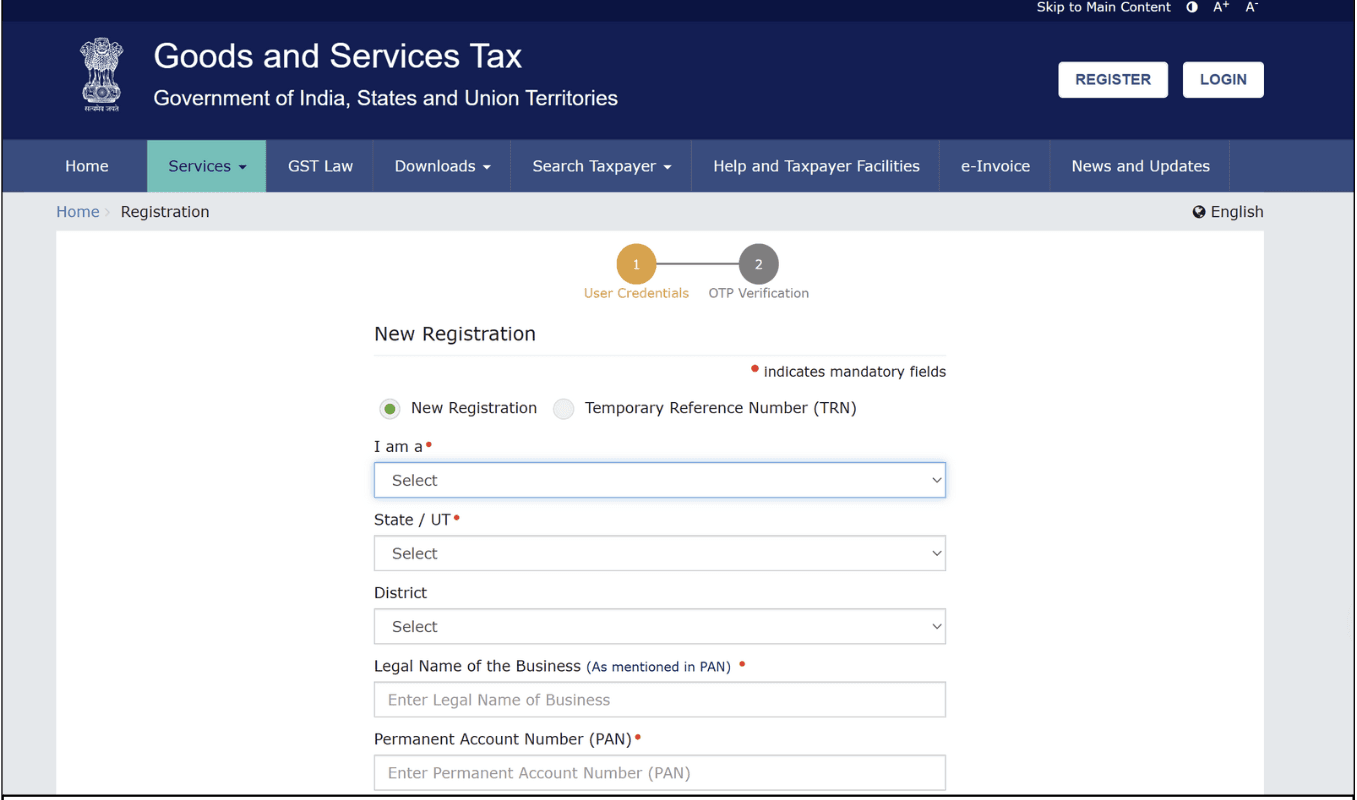
Visit the official GST website to begin your registration process.
Under the ‘New Registration’ section on the website, fill in your PAN, mobile number, and email ID in Part A of Form GST REG-01. An OTP will be sent to your mobile and email for verification.
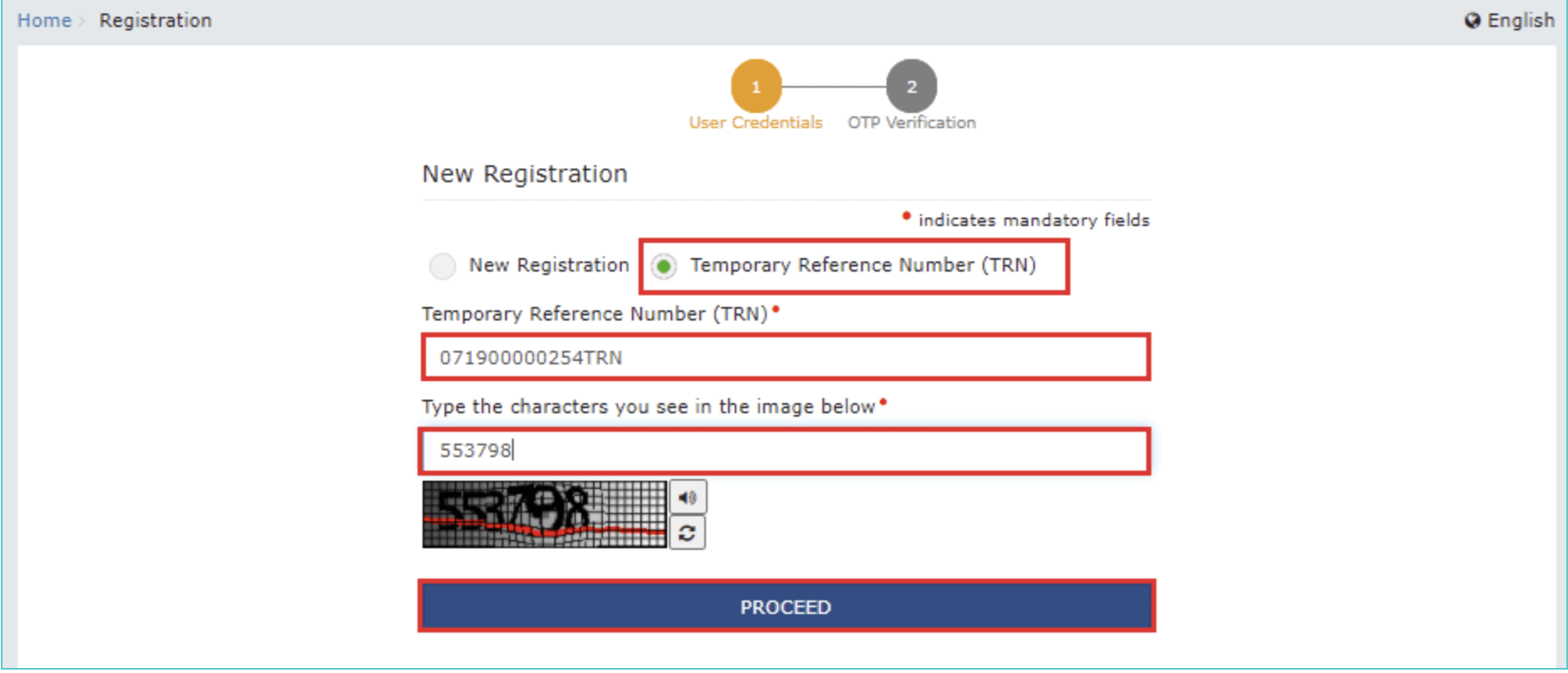
Once verified, you'll receive a Temporary Reference Number (TRN 15-digit) for further steps.
Log in using the TRN provided. Fill out Part B of Form GST REG-01, including details like your business name, address, nature of freelancing services, and bank account information. Upload all required documents.
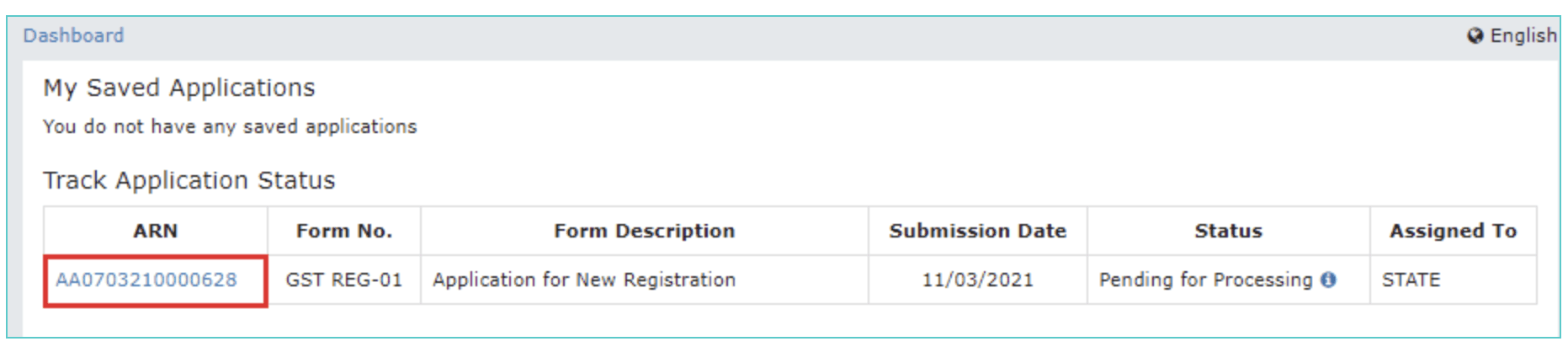
After submitting your application, the GST department will verify your documents. If everything is in order, you’ll receive a 15-digit Application Reference Number (ARN) to track the status.
You will be assigned a GSTIN (a unique 15-digit number) and a GST registration certificate upon successful verification. This GSTIN will be used for all your future GST transactions.
Post-registration, you must charge GST on your services and issue GST-compliant invoices. Additionally, you must file GST returns regularly, even during periods with no transactions.
Maintaining ongoing compliance by charging GST correctly and filing timely returns is crucial for meeting legal obligations, building trust with clients, and enhancing your business reputation. Let’s understand the specific GST filing requirements.
Also Read: How to file Income Tax Returns (ITR) for freelancers in India
Freelancers registered under GST must ensure the timely and accurate filing of GST returns to comply with legal regulations and avoid penalties. Understanding the types of returns and their filing frequency is essential for smooth GST compliance.
Freelancers must file different GST returns based on their turnover and business activities.
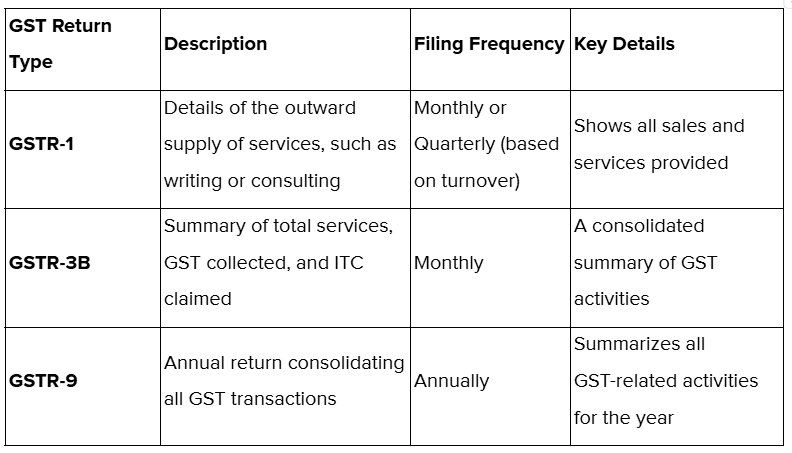
The frequency of filing depends on the turnover:
Staying aware of these requirements helps freelancers within India maintain compliance and avoid disruptions in their business operations. However, when working with clients outside the country, the GST rules differ significantly, especially regarding service exports.
When freelancers provide services to clients based outside India, these transactions are considered exports of services and are subject to zero-rated GST.
Freelancers have two options for handling GST on such exports: they can either export under a Letter of Undertaking (LUT) without charging GST and later claim a refund of the input tax credit, or they can pay Integrated GST (IGST) on the exported service and subsequently claim a refund of the IGST paid.
The payment must be received in foreign currency to qualify as an export, and the client must be located outside India.
Explore: GST types like CGST, SGST, and IGST
Maintaining GST compliance is fundamental for freelancers and businesses aiming for sustainable growth and enhanced credibility in the marketplace. Adhering to GST regulations streamlines tax processes and improves cash flow, minimizes the risk of penalties and legal complications, and ultimately strengthens trust with clients and stakeholders.
Freelancers often struggle with GST registration thresholds, filing returns, and handling cross-border payments while ensuring adherence to Indian tax laws. PayGlocal’s platform helps freelancers and businesses effortlessly streamline global payment collections, manage multi-currency transactions, and maintain compliance with GST and other regulatory requirements. Get Started Today!
India’s freelance economy, also known as the gig economy, is projected to grow significantly, rising from 7.7 million workers in 2020-21 to 23.5 million by 2029-30. Freelancers must stay updated on GST regulations.
This blog will dive into how GST impacts freelancers, their challenges, and practical solutions to streamline tax management and ensure compliance.
Who is a Freelancer?
A freelancer is an individual who offers services to clients on a project or contract basis rather than being employed by a single company. Freelancers are self-employed and work independently, providing specialized skills or expertise in writing, graphic design, web development, marketing, consulting, and more.
They can choose their clients, set their rates, and work from anywhere, but they are also responsible for managing their taxes and finding new clients.
Should a Freelancer Get GST Registration?
Yes, Freelancers are required to register for GST under the following circumstances:
- If your annual turnover exceeds ₹20 lakh (₹10 lakh for special category states).
- If you provide services to clients outside India (export services), you must register for GST, regardless of your turnover.
- If you offer Online Information and Database Access Retrieval (OIDAR) services, such as digital marketing, content writing, or software development.
Freelancers with a turnover below ₹20 lakh can opt not to register for GST, unless they engage in interstate transactions or provide OIDAR services.
What are the Applicable GST Rates for Freelancers?
Freelancers are subject to various GST rates, including 0%, 5%, 12%, 18%, and 28%, depending on the type of service they offer. If a specific rate isn't mentioned for the service, an 18% GST rate should be applied to the client's invoice for services provided within India.
How to Calculate GST for Freelancers?
Calculating GST is straightforward for a freelancer in India once you know the applicable rate and how to add it to your service fee. Here’s a simple breakdown:
For most freelance services, the standard GST rate is 18%. However, depending on the service you offer, there may be exceptions. You can check the specific Service Accounting Code (SAC) for your service on the government website to confirm the exact rate.
Let’s say your service fee is ₹20,000 and the applicable GST rate is 18%. To calculate the GST amount, multiply your service fee by the GST rate (expressed as a decimal).
Formula: GST amount = Service Fee * GST Rate
Example:
Service Fee (Excluding GST): ₹20,000
To find out the GST amount = 20,000 * 0.18 (GST rate)
GST Amount = ₹3,600
Service fee + GST
₹20,000 + ₹3,600
Total Amount Payable = ₹23,600
On your invoice, make sure to clearly specify the service fee (before GST), the GST rate, and the total payable amount (including GST).
Benefits of GST Registration for Freelancers
GST registration provides better credibility, financial advantages, and growth opportunities. Here's how registering for GST can enhance your freelancing business:
1. Legitimacy and Credibility: Registering for GST makes you appear more professional, which can attract more clients, especially businesses that prefer working with GST-registered professionals.
2. Input Tax Credit (ITC): GST registration allows you to claim credits for taxes paid on business expenses like software, office supplies, and communication services, reducing overall tax liability.
3. Expanded Reach: GST enables you to serve clients across state lines without worrying about state-specific tax issues, broadening your market and increasing opportunities.
4. Compliance with the Law: Registering ensures you meet legal obligations, protects you from penalties, and ensures a smooth freelancing career.
Step by Step GST Registration for Freelancers
GST registration is a key step for freelancers to ensure tax compliance, allowing you to charge GST on services and claim ITC on business expenses. Here's a simplified step-by-step guide for if you are looking to get GST registered.
Step 1: Verify Eligibility
Determine whether you need to register for GST. GST registration is mandatory if your annual turnover exceeds ₹20 lakh (₹10 lakh for special category states), or if you provide interstate services or services to foreign clients.
Step 2: Gather Required Documents
Ensure you have the following documents ready for registration:
- PAN card
- Aadhaar card or any other government-issued identity proof
- Bank account details (e.g., canceled cheque or bank statement)
- Address proof (utility bills, rent agreement)
- Photographs of the applicant
- Proof of business address (if applicable)
Step 3: Access the GST Portal
Visit the official GST website to begin your registration process.
Step 4: Complete Part A of GST REG-01
Under the ‘New Registration’ section on the website, fill in your PAN, mobile number, and email ID in Part A of Form GST REG-01. An OTP will be sent to your mobile and email for verification.
Once verified, you'll receive a Temporary Reference Number (TRN 15-digit) for further steps.
Step 5: Complete Part B of GST REG-01
Log in using the TRN provided. Fill out Part B of Form GST REG-01, including details like your business name, address, nature of freelancing services, and bank account information. Upload all required documents.
Step 6: Document Verification
After submitting your application, the GST department will verify your documents. If everything is in order, you’ll receive a 15-digit Application Reference Number (ARN) to track the status.
Step 7: GSTIN Allocation
You will be assigned a GSTIN (a unique 15-digit number) and a GST registration certificate upon successful verification. This GSTIN will be used for all your future GST transactions.
Step 8: Ongoing Compliance
Post-registration, you must charge GST on your services and issue GST-compliant invoices. Additionally, you must file GST returns regularly, even during periods with no transactions.
Maintaining ongoing compliance by charging GST correctly and filing timely returns is crucial for meeting legal obligations, building trust with clients, and enhancing your business reputation. Let’s understand the specific GST filing requirements.
Also Read: How to file Income Tax Returns (ITR) for freelancers in India
GST Filing and Compliance Requirements for Freelancers
Freelancers registered under GST must ensure the timely and accurate filing of GST returns to comply with legal regulations and avoid penalties. Understanding the types of returns and their filing frequency is essential for smooth GST compliance.
Freelancers must file different GST returns based on their turnover and business activities.
The frequency of filing depends on the turnover:
- Freelancers with an annual turnover exceeding ₹5 crore are required to file returns monthly
- Those with turnover below ₹5 crore can opt for quarterly filing under the QRMP (Quarterly Return Monthly Payment) scheme.
Staying aware of these requirements helps freelancers within India maintain compliance and avoid disruptions in their business operations. However, when working with clients outside the country, the GST rules differ significantly, especially regarding service exports.
How Does GST Apply to Freelancers Working with International Clients?
When freelancers provide services to clients based outside India, these transactions are considered exports of services and are subject to zero-rated GST.
Freelancers have two options for handling GST on such exports: they can either export under a Letter of Undertaking (LUT) without charging GST and later claim a refund of the input tax credit, or they can pay Integrated GST (IGST) on the exported service and subsequently claim a refund of the IGST paid.
The payment must be received in foreign currency to qualify as an export, and the client must be located outside India.
Explore: GST types like CGST, SGST, and IGST
Conclusion
Maintaining GST compliance is fundamental for freelancers and businesses aiming for sustainable growth and enhanced credibility in the marketplace. Adhering to GST regulations streamlines tax processes and improves cash flow, minimizes the risk of penalties and legal complications, and ultimately strengthens trust with clients and stakeholders.
Freelancers often struggle with GST registration thresholds, filing returns, and handling cross-border payments while ensuring adherence to Indian tax laws. PayGlocal’s platform helps freelancers and businesses effortlessly streamline global payment collections, manage multi-currency transactions, and maintain compliance with GST and other regulatory requirements. Get Started Today!