
Have you ever wondered how financial transactions are tracked and identified across systems, ensuring security and accuracy? Whether it’s a stock trade, a banking transfer, or an e-commerce purchase, a UTI number ensures that each transaction can be uniquely identified, verified, and traced back to its origin.
In today’s digital and interconnected world, the importance of having a reliable system for tracking transactions cannot be overstated. The UTI helps you streamline transaction processing and plays a key role in compliance with regulatory standards.
To learn more about UTI numbers in greater detail, this article will explore what a UTI is, how it works, and its significant role in ensuring smooth and secure transactions. So, without further ado, let us get down to all the relevant details.
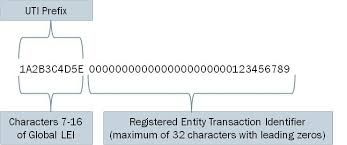
A UTI Number (Unique Transaction Identifier) is a unique code or reference number assigned to a financial transaction. It is designed to help identify, track, and verify transactions across various financial systems. It ensures that each transaction, whether a bank transfer, stock trade, or online payment, is distinctly recognised and recorded.
Essentially, the UTI number helps maintain accuracy, transparency, and security in financial processes, minimising the risk of errors or fraud.
1. Identification and Tracking: The UTI is a unique identifier for each financial transaction, ensuring it can be easily tracked throughout its lifecycle.
2. Transparency and Accountability: A UTI ensures that each transaction is transparent and traceable, providing a clear record of who initiated the transaction and when it occurred.
3. Reducing Fraud and Errors: The UTI helps reduce the risk of fraud and errors by assigning a unique identifier to each transaction. If you want to minimize risks, integrating advanced payment solutions like PayGlocal that incorporate UTI functionality could be beneficial.
4. Standardisation of Processes: The UTI helps standardise how transactions are recorded across various systems, allowing for uniformity in tracking and processing.
5. Enables Compliance and Regulatory Monitoring: The UTI supports regulatory compliance by ensuring that financial transactions are adequately documented and verifiable.
6. Simplifies Dispute Resolution: In the event of discrepancies or disputes, the UTI can be referenced to resolve issues swiftly.
The Unique Transaction Identifier (UTI) is vital to modern financial systems, ensuring each transaction is uniquely identifiable and traceable. However, to truly understand how it works, it’s essential to break down its crucial elements, which make the UTI functional and practical. Here are the vital aspects of a UTI number:
The core of a UTI number is the unique identifier code, which ensures that no two transactions share the same identifier. This element guarantees that every transaction is distinct and can be tracked individually, minimising the chances of confusion, duplication, or error in the system.
The date and time of the transaction are often embedded within the UTI number to record when the transaction occurred. This time-stamping ensures that transactions can be precisely tracked and verified.
Some UTI numbers include transaction type or category information, such as a payment, transfer, or purchase. This allows for better classification and faster identification of the nature of the transaction.
The UTI may contain an identifier for the originating institution or party initiating the transaction, such as a bank or a financial service provider. This ensures that the source of the transaction is recorded, making it easier to identify and resolve issues or disputes that may arise.
In addition to the originating party, the destination party or receiving institution identifier is often part of the UTI number, indicating where the transaction is headed. This feature allows for tracking where the transaction originated and where it is expected to go.
Depending on the financial institution or system, a UTI may include security features such as encryption or checksum digits. These security elements help prevent fraud or unauthorised changes to the transaction.
Partnerships with fintech providers such as PayGlocal, which specialise in secure and accurate transaction processing, can ensure the reliability of these security elements.
Sometimes, the UTI number will incorporate compliance-related data, such as compliance with regulatory requirements or standards. This helps ensure the transaction complies with financial regulations, industry standards, or specific agreements between involved parties.
Finally, the UTI number is typically system-generated by a centralised transaction processing system or platform. This ensures that the code is unique, consistent, and compliant with the structure defined by the financial institution or regulatory body.
Also Read: Understanding the Process and Types of Bank Guarantee
A secure, system-based process generates a UTI number that uniquely identifies each financial transaction. The process begins with the initiation of the transaction and ends with the assignment of a unique identifier that is tied to the transaction record. Here’s a detailed look at the entire process:
1. Initiation of Transaction: The UTI number is generated when a transaction is initiated within a financial system. This could be a payment, transfer, trade, or other financial operation. The system or platform handling the transaction first verifies the transaction details, ensuring they are legitimate and meet the conditions for processing.
2. System-Based Generation Process: Once the transaction is confirmed, the system automatically generates the UTI number using an algorithm or formula designed to create a unique identifier for each transaction. The system combines transaction type, date and time, and originating party details into a unique code.
3. Assignment of the UTI Number to the Transaction: After the UTI number is generated, it is assigned directly to the transaction within the financial system. The number is then linked to all relevant transaction records, including the buyer’s and seller’s details, the transaction amount, and the transaction date.
4. Integration with Transaction Records: The assigned UTI number is integrated into the broader transaction record and is used by all involved parties, whether the seller, buyer, financial institution, or tax authority. It becomes a permanent identifier within the transaction history.
5. Ensuring Uniqueness and Integrity: To maintain the integrity and uniqueness of the UTI number, the system checks that the identifier does not clash with other ongoing transactions. The UTI number is generated to combine sufficient randomness and structured elements, such as transaction type and date, to avoid duplication.
Also Read: AD Code Certificate Registration: Steps and Process for Applying in International Shipping.
With a firm understanding of the generation process, let's shift gears and examine the potential benefits of the UTI number for financial transactions.
The Unique Transaction Identifier (UTI) ensures accurate, transparent, and secure financial transactions. Assigning a unique identifier to each transaction simplifies tracking, prevents errors, and enhances regulatory compliance. Here’s a closer look at the key benefits of using a UTI number for transactions:
1. Improved Transaction Tracking: The UTI number lets you easily track and monitor transactions from initiation to completion. It ensures a clear, organised record of every transaction, making reconciling accounts and verifying details easier.
2. Increased Transparency: You can easily access the transaction history with a UTI number. This improves transparency, reducing the chances of disputes or misunderstandings by offering precise and verifiable records of each step.
3. Simplified Compliance: Regulatory bodies often require detailed tracking of financial transactions for compliance purposes. The UTI number helps you comply with tax laws and financial regulations by providing a standardised way to report and audit transactions.
4. Fraud Prevention: A unique identifier minimises the risk of fraud by ensuring that each transaction is distinct and traceable. It prevents the duplication of transactions and helps you detect discrepancies or suspicious activity.
5. Streamlined Dispute Resolution: In case of disputes or payment issues, the UTI number is a quick reference for verifying the transaction details. By directly linking the transaction to a unique code, resolving conflicts is faster and more efficient.
6. Faster Payment Processing: If you’re handling high volumes of transactions, a UTI number speeds up payment processing and reconciliation. It enables automatic payment matching with invoices and ensures quicker settlements without errors. For businesses managing subscription-based billing or repeat customer payments, integrating a recurring payment solution can further automate collections while maintaining accurate transaction records.
Also Read: Latest Changes in Incoterms Explained
At this point, you might think the UTI number sounds like the perfect solution, but there are also some drawbacks you need to consider.
While a UTI number is essential for ensuring accurate tracking and verification of financial transactions, you should be aware of specific considerations and potential drawbacks before utilising it. Here are key aspects to consider:
1. Complexity in Integration: Integrating UTI numbers into existing systems can be complex, especially for smaller businesses or older platforms. Significant system updates or software upgrades may be required to ensure smooth UTI integration and compatibility with other financial systems.
If you’re concerned about integration challenges, utilising platforms such as those provided by PayGlocal, which offer customised solutions, can help address these issues.
2. Dependence on Technological Systems: The generation and tracking of UTI numbers depend heavily on automated systems. If the systems malfunction or experience downtime, it could result in delays or errors in transaction tracking, potentially affecting business operations.
3. Risk of Incorrect Assignment: Although UTI numbers are designed to be unique, there’s still a risk of misassigning or duplicating numbers in rare instances. Errors in the UTI generation process could lead to confusion and misidentification of transactions, potentially impacting financial records or audits.
4. Limited Standardization Across Platforms: UTI number formats can vary depending on the institution or financial system. This lack of universal standardisation across platforms can create challenges when transferring or reconciling data between different entities, such as banks, payment processors, or customs authorities.
5. Security and Privacy Concerns: Including transaction details in a UTI number means that sensitive financial information is being processed and stored. If not adequately protected, security risks related to unauthorised access or data breaches could potentially expose confidential transaction data.
6. Regulatory Compliance Challenges: You should ensure that your use of UTI numbers aligns with the local regulations and tax laws. Failure to correctly implement UTI numbers as part of the tax or reporting process could result in compliance issues or fines from regulatory bodies.
In conclusion, the Unique Transaction Identifier (UTI) plays a crucial role in the modern financial system by providing a unique reference for each transaction, ensuring that it is accurately tracked, verified, and recorded.
The UTI helps you and your businesses maintain transparency, reduce errors, and streamline the auditing process, making managing domestic and international transactions easier. Its ability to uniquely identify transactions also strengthens security by preventing fraud and unauthorised modifications.
Companies like Payglocal offer valuable solutions for businesses and individuals navigating the complexities of UTI implementation. As a fintech company specialising in global commerce, Payglocal provides innovative payment systems integrating UTI numbers to enhance transaction accuracy and security.
By using Payglocal’s tools, you can ensure seamless cross-border payments and UTI-based transaction tracking, making it easier to comply with regulatory requirements while maintaining smooth, efficient financial operations. Connect with Payglocal today to learn more.
In today’s digital and interconnected world, the importance of having a reliable system for tracking transactions cannot be overstated. The UTI helps you streamline transaction processing and plays a key role in compliance with regulatory standards.
To learn more about UTI numbers in greater detail, this article will explore what a UTI is, how it works, and its significant role in ensuring smooth and secure transactions. So, without further ado, let us get down to all the relevant details.
What is a UTI number?
A UTI Number (Unique Transaction Identifier) is a unique code or reference number assigned to a financial transaction. It is designed to help identify, track, and verify transactions across various financial systems. It ensures that each transaction, whether a bank transfer, stock trade, or online payment, is distinctly recognised and recorded.
Essentially, the UTI number helps maintain accuracy, transparency, and security in financial processes, minimising the risk of errors or fraud.
1. Identification and Tracking: The UTI is a unique identifier for each financial transaction, ensuring it can be easily tracked throughout its lifecycle.
2. Transparency and Accountability: A UTI ensures that each transaction is transparent and traceable, providing a clear record of who initiated the transaction and when it occurred.
3. Reducing Fraud and Errors: The UTI helps reduce the risk of fraud and errors by assigning a unique identifier to each transaction. If you want to minimize risks, integrating advanced payment solutions like PayGlocal that incorporate UTI functionality could be beneficial.
4. Standardisation of Processes: The UTI helps standardise how transactions are recorded across various systems, allowing for uniformity in tracking and processing.
5. Enables Compliance and Regulatory Monitoring: The UTI supports regulatory compliance by ensuring that financial transactions are adequately documented and verifiable.
6. Simplifies Dispute Resolution: In the event of discrepancies or disputes, the UTI can be referenced to resolve issues swiftly.
What Are the Crucial Elements of a UTI Number?
The Unique Transaction Identifier (UTI) is vital to modern financial systems, ensuring each transaction is uniquely identifiable and traceable. However, to truly understand how it works, it’s essential to break down its crucial elements, which make the UTI functional and practical. Here are the vital aspects of a UTI number:
1. Unique Identifier Code
The core of a UTI number is the unique identifier code, which ensures that no two transactions share the same identifier. This element guarantees that every transaction is distinct and can be tracked individually, minimising the chances of confusion, duplication, or error in the system.
2. Transaction Date and Time
The date and time of the transaction are often embedded within the UTI number to record when the transaction occurred. This time-stamping ensures that transactions can be precisely tracked and verified.
3. Transaction Type or Category
Some UTI numbers include transaction type or category information, such as a payment, transfer, or purchase. This allows for better classification and faster identification of the nature of the transaction.
4. Originating Party or Institution Identifier
The UTI may contain an identifier for the originating institution or party initiating the transaction, such as a bank or a financial service provider. This ensures that the source of the transaction is recorded, making it easier to identify and resolve issues or disputes that may arise.
5. Destination Party or Receiving Institution Identifier
In addition to the originating party, the destination party or receiving institution identifier is often part of the UTI number, indicating where the transaction is headed. This feature allows for tracking where the transaction originated and where it is expected to go.
6. Security Feature
Depending on the financial institution or system, a UTI may include security features such as encryption or checksum digits. These security elements help prevent fraud or unauthorised changes to the transaction.
Partnerships with fintech providers such as PayGlocal, which specialise in secure and accurate transaction processing, can ensure the reliability of these security elements.
7. Compliance Information
Sometimes, the UTI number will incorporate compliance-related data, such as compliance with regulatory requirements or standards. This helps ensure the transaction complies with financial regulations, industry standards, or specific agreements between involved parties.
8. System-Generated Code
Finally, the UTI number is typically system-generated by a centralised transaction processing system or platform. This ensures that the code is unique, consistent, and compliant with the structure defined by the financial institution or regulatory body.
Also Read: Understanding the Process and Types of Bank Guarantee
How is a UTI Number Generated and Assigned?
A secure, system-based process generates a UTI number that uniquely identifies each financial transaction. The process begins with the initiation of the transaction and ends with the assignment of a unique identifier that is tied to the transaction record. Here’s a detailed look at the entire process:
1. Initiation of Transaction: The UTI number is generated when a transaction is initiated within a financial system. This could be a payment, transfer, trade, or other financial operation. The system or platform handling the transaction first verifies the transaction details, ensuring they are legitimate and meet the conditions for processing.
2. System-Based Generation Process: Once the transaction is confirmed, the system automatically generates the UTI number using an algorithm or formula designed to create a unique identifier for each transaction. The system combines transaction type, date and time, and originating party details into a unique code.
3. Assignment of the UTI Number to the Transaction: After the UTI number is generated, it is assigned directly to the transaction within the financial system. The number is then linked to all relevant transaction records, including the buyer’s and seller’s details, the transaction amount, and the transaction date.
4. Integration with Transaction Records: The assigned UTI number is integrated into the broader transaction record and is used by all involved parties, whether the seller, buyer, financial institution, or tax authority. It becomes a permanent identifier within the transaction history.
5. Ensuring Uniqueness and Integrity: To maintain the integrity and uniqueness of the UTI number, the system checks that the identifier does not clash with other ongoing transactions. The UTI number is generated to combine sufficient randomness and structured elements, such as transaction type and date, to avoid duplication.
Also Read: AD Code Certificate Registration: Steps and Process for Applying in International Shipping.
With a firm understanding of the generation process, let's shift gears and examine the potential benefits of the UTI number for financial transactions.
What Are the Benefits of Using a UTI Number in Transactions?
The Unique Transaction Identifier (UTI) ensures accurate, transparent, and secure financial transactions. Assigning a unique identifier to each transaction simplifies tracking, prevents errors, and enhances regulatory compliance. Here’s a closer look at the key benefits of using a UTI number for transactions:
1. Improved Transaction Tracking: The UTI number lets you easily track and monitor transactions from initiation to completion. It ensures a clear, organised record of every transaction, making reconciling accounts and verifying details easier.
2. Increased Transparency: You can easily access the transaction history with a UTI number. This improves transparency, reducing the chances of disputes or misunderstandings by offering precise and verifiable records of each step.
3. Simplified Compliance: Regulatory bodies often require detailed tracking of financial transactions for compliance purposes. The UTI number helps you comply with tax laws and financial regulations by providing a standardised way to report and audit transactions.
4. Fraud Prevention: A unique identifier minimises the risk of fraud by ensuring that each transaction is distinct and traceable. It prevents the duplication of transactions and helps you detect discrepancies or suspicious activity.
5. Streamlined Dispute Resolution: In case of disputes or payment issues, the UTI number is a quick reference for verifying the transaction details. By directly linking the transaction to a unique code, resolving conflicts is faster and more efficient.
6. Faster Payment Processing: If you’re handling high volumes of transactions, a UTI number speeds up payment processing and reconciliation. It enables automatic payment matching with invoices and ensures quicker settlements without errors. For businesses managing subscription-based billing or repeat customer payments, integrating a recurring payment solution can further automate collections while maintaining accurate transaction records.
Also Read: Latest Changes in Incoterms Explained
At this point, you might think the UTI number sounds like the perfect solution, but there are also some drawbacks you need to consider.
Are There Any Drawbacks to Using a UTI Number?
While a UTI number is essential for ensuring accurate tracking and verification of financial transactions, you should be aware of specific considerations and potential drawbacks before utilising it. Here are key aspects to consider:
1. Complexity in Integration: Integrating UTI numbers into existing systems can be complex, especially for smaller businesses or older platforms. Significant system updates or software upgrades may be required to ensure smooth UTI integration and compatibility with other financial systems.
If you’re concerned about integration challenges, utilising platforms such as those provided by PayGlocal, which offer customised solutions, can help address these issues.
2. Dependence on Technological Systems: The generation and tracking of UTI numbers depend heavily on automated systems. If the systems malfunction or experience downtime, it could result in delays or errors in transaction tracking, potentially affecting business operations.
3. Risk of Incorrect Assignment: Although UTI numbers are designed to be unique, there’s still a risk of misassigning or duplicating numbers in rare instances. Errors in the UTI generation process could lead to confusion and misidentification of transactions, potentially impacting financial records or audits.
4. Limited Standardization Across Platforms: UTI number formats can vary depending on the institution or financial system. This lack of universal standardisation across platforms can create challenges when transferring or reconciling data between different entities, such as banks, payment processors, or customs authorities.
5. Security and Privacy Concerns: Including transaction details in a UTI number means that sensitive financial information is being processed and stored. If not adequately protected, security risks related to unauthorised access or data breaches could potentially expose confidential transaction data.
6. Regulatory Compliance Challenges: You should ensure that your use of UTI numbers aligns with the local regulations and tax laws. Failure to correctly implement UTI numbers as part of the tax or reporting process could result in compliance issues or fines from regulatory bodies.
Conclusion
In conclusion, the Unique Transaction Identifier (UTI) plays a crucial role in the modern financial system by providing a unique reference for each transaction, ensuring that it is accurately tracked, verified, and recorded.
The UTI helps you and your businesses maintain transparency, reduce errors, and streamline the auditing process, making managing domestic and international transactions easier. Its ability to uniquely identify transactions also strengthens security by preventing fraud and unauthorised modifications.
Companies like Payglocal offer valuable solutions for businesses and individuals navigating the complexities of UTI implementation. As a fintech company specialising in global commerce, Payglocal provides innovative payment systems integrating UTI numbers to enhance transaction accuracy and security.
By using Payglocal’s tools, you can ensure seamless cross-border payments and UTI-based transaction tracking, making it easier to comply with regulatory requirements while maintaining smooth, efficient financial operations. Connect with Payglocal today to learn more.