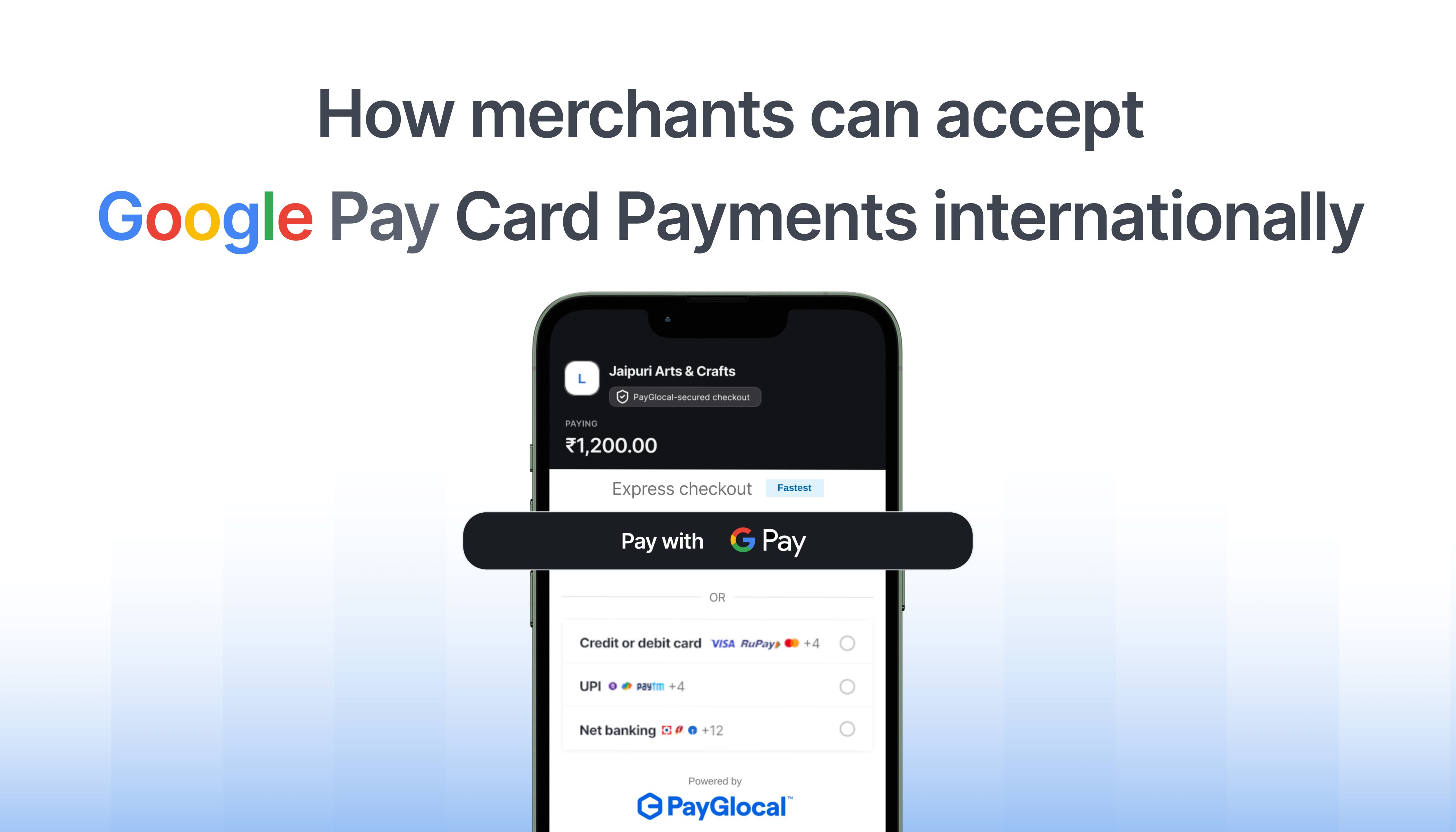
Apple Pay for merchants isn't just about accepting another payment method - it's about removing the tiny moments of friction that stand between a customer's decision to buy and their decision to complete the purchase.
TL;DR
- Apple Pay helps merchants deliver a faster, more secure checkout experience with fewer steps.
- A streamlined checkout can reduce cart abandonment and improve customer confidence.
- Supporting Apple Pay alongside Google Pay and PayPal gives customers greater flexibility at checkout.
- For global businesses, offering familiar digital wallets is key to improving the online shopping experience.
- The best payment experience is the one that's fast, intuitive, and built around how customers already choose to pay.
Imagine this.
A customer spends ten minutes discovering your products. They compare reviews, pick the perfect item, add it to their cart, and head to checkout.
Then they stop.
Not because they changed their mind. But because checkout suddenly feels like work.
They need to find their wallet, type in their card number, enter the expiry date, CVV, billing address, and verify an OTP. That small interruption is often enough to turn an interested customer into a lost sale.
For businesses, the best checkout experience is the one customers barely notice - and that's exactly where digital wallets like Apple Pay make a difference.

Customers don't compare your checkout with your competitors'.
They compare it with the easiest purchase they've ever made. Whether they're ordering groceries, booking a cab, or buying a new pair of shoes, they expect the same thing - a seamless payment experience. That's why mobile checkout has become one of the biggest priorities for ecommerce businesses. Every extra step introduces friction, and every moment of hesitation increases the chances of cart abandonment.
The best checkout experiences are the ones customers barely notice.
Apple Pay allows customers to securely pay using the cards they've already added to their Apple devices. Instead of manually entering payment details every time, they can authenticate the purchase with Face ID, Touch ID, or their device passcode.
Behind the scenes, Apple Pay uses tokenisation, which means the customer's actual card number isn't shared during the transaction. The payment is still processed through existing card networks, but with an additional layer of security.
For merchants, this means faster payments without changing the way transactions are processed.
Technology matters only when it improves business outcomes Apple Pay helps merchants do exactly that.
Reducing friction at checkout can help more customers complete their purchases instead of abandoning their carts.
A better mobile experience.
As more shoppers buy directly from their phones, offering convenient e-commerce payment methods becomes increasingly important.
One of the most common questions merchants ask is whether Apple Pay is better than Google Pay or PayPal.
The truth is, there isn't a single winner.

Rather than choosing one over another, businesses should think about the customers they're serving.
Supporting multiple digital wallets for merchants creates a more flexible checkout experience and helps businesses meet customers where they already are.
Payment preferences aren't the same everywhere.
Customers in different countries use different devices, banks, and digital wallets. Businesses expanding internationally need a checkout experience that feels familiar regardless of where their customers are shopping from. That's why cross-border payments aren't just about accepting international cards. They're about supporting the payment methods customers already know and trust.
Choosing the right payment gateway for international businesses means giving customers the confidence to complete their purchase without unnecessary friction.
If your customers shop on mobile, sell internationally, or expect a faster checkout experience, the answer is yes. But the bigger opportunity isn't simply offering Apple Pay. It's building a checkout that adapts to your customers instead of asking your customers to adapt to your checkout. Whether that's Apple Pay, Google Pay, PayPal, or a combination of all three depends on who your customers are and how they prefer to pay.
The businesses that succeed aren't the ones offering the most payment methods - they're the ones offering the right ones. They're the ones that offer the right payment options.
Customers rarely remember a great checkout. They remember the ones that made them stop.
Apple Pay isn't just about faster payments - it's about removing the small moments of friction that can stand between intent and action. Combined with other trusted digital wallets, it helps businesses create a checkout experience that's simple, secure, and designed around how people already pay. Because in ecommerce, the best checkout isn't the one customers notice.
It's the one they don't.
Today's customers expect payments to be fast, secure, and effortless. Whether they're shopping on an iPhone, an Android device, or from another country, offering the right payment methods can make every checkout feel more familiar.
With PayGlocal, merchants can enable Apple Pay alongside Google Pay, PayPal, cards, and other global payment methods through a single integration - helping create seamless checkout experiences for customers around the world.
Explore PayGlocal's payment solutions or get in touch with our team to start accepting Apple Pay today.
A customer spends ten minutes discovering your products. They compare reviews, pick the perfect item, add it to their cart, and head to checkout.
Then they stop.
Not because they changed their mind. But because checkout suddenly feels like work.
They need to find their wallet, type in their card number, enter the expiry date, CVV, billing address, and verify an OTP. That small interruption is often enough to turn an interested customer into a lost sale.
For businesses, the best checkout experience is the one customers barely notice - and that's exactly where digital wallets like Apple Pay make a difference.
The New Standard for Checkout
Customers don't compare your checkout with your competitors'.
They compare it with the easiest purchase they've ever made. Whether they're ordering groceries, booking a cab, or buying a new pair of shoes, they expect the same thing - a seamless payment experience. That's why mobile checkout has become one of the biggest priorities for ecommerce businesses. Every extra step introduces friction, and every moment of hesitation increases the chances of cart abandonment.
The best checkout experiences are the ones customers barely notice.
What Makes Apple Pay Different?
Apple Pay allows customers to securely pay using the cards they've already added to their Apple devices. Instead of manually entering payment details every time, they can authenticate the purchase with Face ID, Touch ID, or their device passcode.
Behind the scenes, Apple Pay uses tokenisation, which means the customer's actual card number isn't shared during the transaction. The payment is still processed through existing card networks, but with an additional layer of security.
For merchants, this means faster payments without changing the way transactions are processed.
Why Merchants Should Care
Technology matters only when it improves business outcomes Apple Pay helps merchants do exactly that.
- Faster checkout
- Removing the need to manually enter card details makes purchasing quicker, especially on mobile devices.
- Better customer confidence.
- Customers are more likely to complete a purchase when they recognise a payment method they already trust.
- Improved checkout conversion.
Reducing friction at checkout can help more customers complete their purchases instead of abandoning their carts.
A better mobile experience.
As more shoppers buy directly from their phones, offering convenient e-commerce payment methods becomes increasingly important.
Apple Pay vs Google Pay vs PayPal
One of the most common questions merchants ask is whether Apple Pay is better than Google Pay or PayPal.
The truth is, there isn't a single winner.
Rather than choosing one over another, businesses should think about the customers they're serving.
- An iPhone user naturally expects Apple Pay.
- An Android user may look for Google Pay.
- An international shopper might feel more comfortable using PayPal.
Supporting multiple digital wallets for merchants creates a more flexible checkout experience and helps businesses meet customers where they already are.
Why This Matters for Global Businesses
Payment preferences aren't the same everywhere.
Customers in different countries use different devices, banks, and digital wallets. Businesses expanding internationally need a checkout experience that feels familiar regardless of where their customers are shopping from. That's why cross-border payments aren't just about accepting international cards. They're about supporting the payment methods customers already know and trust.
Choosing the right payment gateway for international businesses means giving customers the confidence to complete their purchase without unnecessary friction.
So, Should Your Business Offer Apple Pay?
If your customers shop on mobile, sell internationally, or expect a faster checkout experience, the answer is yes. But the bigger opportunity isn't simply offering Apple Pay. It's building a checkout that adapts to your customers instead of asking your customers to adapt to your checkout. Whether that's Apple Pay, Google Pay, PayPal, or a combination of all three depends on who your customers are and how they prefer to pay.
The businesses that succeed aren't the ones offering the most payment methods - they're the ones offering the right ones. They're the ones that offer the right payment options.
Customers rarely remember a great checkout. They remember the ones that made them stop.
Apple Pay isn't just about faster payments - it's about removing the small moments of friction that can stand between intent and action. Combined with other trusted digital wallets, it helps businesses create a checkout experience that's simple, secure, and designed around how people already pay. Because in ecommerce, the best checkout isn't the one customers notice.
It's the one they don't.
Ready to Offer a Better Checkout Experience?
Today's customers expect payments to be fast, secure, and effortless. Whether they're shopping on an iPhone, an Android device, or from another country, offering the right payment methods can make every checkout feel more familiar.
With PayGlocal, merchants can enable Apple Pay alongside Google Pay, PayPal, cards, and other global payment methods through a single integration - helping create seamless checkout experiences for customers around the world.
Explore PayGlocal's payment solutions or get in touch with our team to start accepting Apple Pay today.