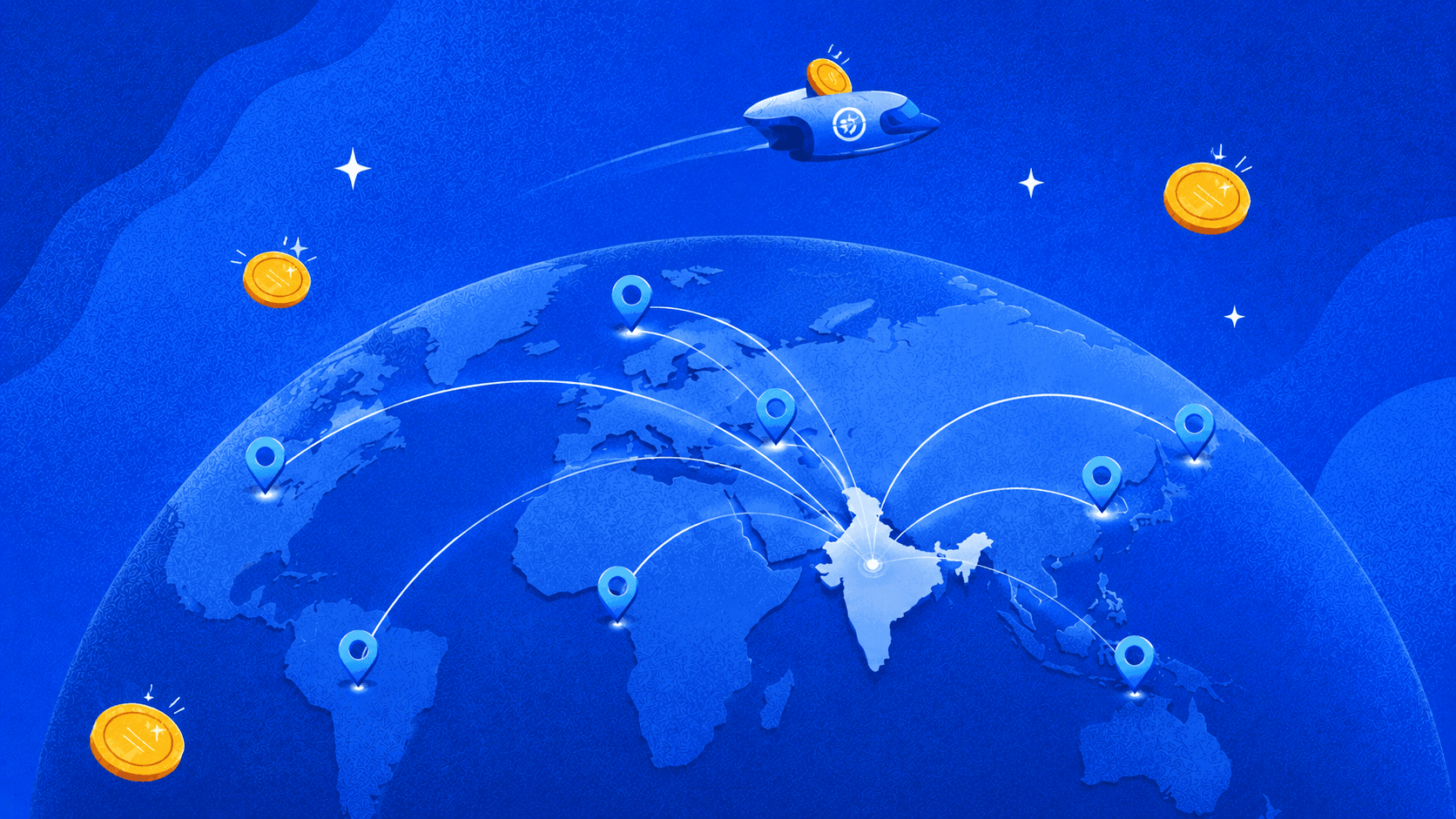

Why the next generation of global commerce infrastructure must absorb complexity — not pass it to the merchant
TL;DR
- Merchants should not have to become payments companies to become global companies. The complexity of cross-border payments, compliance, risk, FX, settlement and reconciliation should increasingly sit within the infrastructure layer.
- The next generation of commerce infrastructure is about abstraction, not just payment acceptance. Onboarding, risk, compliance, routing, settlement and reconciliation need to work as one connected system.
- Invisible infrastructure is not simple infrastructure. The systems underneath may become more sophisticated, but the merchant experience should become simpler.
- The industry is moving from orchestration towards intelligence. Infrastructure will increasingly decide how transactions should be routed, assessed and reconciled based on merchant, issuer, corridor and transaction context.
For much of my career in payments, I have looked at a transaction from the inside out.
Working with banks meant looking at payments through the lens of customers, products, authorization, risk and servicing.
Working within the payment network ecosystem expanded that perspective significantly. A payment was no longer simply an interaction between a customer and a bank. It became an ecosystem involving issuers, acquirers, payment service providers, regulators, technology platforms and increasingly complex operating rules.
Later, building large-scale digital payment platforms added another dimension: how multiple payment rails, partners and systems can be brought together to create a simple customer experience.
My current journey with PayGlocal, particularly across merchant onboarding, risk, compliance, product and technology, has added another perspective.
What does all of this complexity look like to an Indian merchant trying to sell to the world?
The answer is surprisingly simple.
It looks like complexity the merchant would rather not have.
And that leads me to a principle that I believe will increasingly define the next generation of cross-border commerce infrastructure:
A merchant should not need to become a payments company in order to become a global company.
Consider what a merchant ultimately wants.
A customer somewhere in the world discovers a product or service, decides to purchase it, completes the payment successfully, and the merchant eventually receives the money with the information required to reconcile it. The merchant’s expectation is simple. The infrastructure underneath it is anything but. Behind that apparently simple transaction can sit several interconnected capabilities:
Merchant onboarding → KYB/KYC → Compliance → Payment acceptance → Authentication → Risk assessment → Transaction routing → Authorization → FX → Settlement → Reconciliation → Regulatory reporting
And each layer can involve different institutions, technologies, regulatory requirements and operational dependencies.
This complexity becomes even greater when commerce crosses borders. The customer may be in one country. The merchant may be incorporated in another. The issuer could be operating under a different regulatory and risk environment. The payment credential may originate from yet another ecosystem. Settlement may involve currency conversion. And the merchant’s regulatory obligations may depend upon the nature of the transaction, goods or services, geography and applicable cross-border framework.
From an infrastructure perspective, these are separate problems.
From a merchant’s perspective, they are one journey.
That distinction matters.
Technology industries tend to evolve in an interesting way. In their early stages, users interact directly with much of the underlying complexity. As infrastructure matures, complexity doesn’t necessarily disappear.
It moves downward.
Think about cloud computing.
Businesses once had to think extensively about servers, storage, networking and physical infrastructure to launch digital products.
Cloud infrastructure did not eliminate that complexity. It absorbed much of it.
Something similar needs to happen in cross-border commerce.
Merchants should progressively have to think less about:
Those problems don’t disappear. Someone still needs to solve them.
But increasingly, that someone should be the infrastructure — not the merchant.
This is where I believe the industry is entering an important transition.
For years, the objective was primarily:
Enable the merchant to accept the payment.
The next generation of infrastructure needs to ask a broader question:
How much complexity can we abstract away from the merchant while still maintaining regulatory integrity, risk discipline and transaction performance?
That changes the way products need to be designed.
Merchant onboarding cannot be viewed purely as a documentation workflow. Risk cannot exist only as a downstream control function. Compliance cannot simply be a checklist that appears before activation. Payments cannot be optimized independently of authentication and issuer behaviour. Settlement cannot be disconnected from reconciliation.
Each capability affects the others.
The real product therefore becomes less about an individual payment component and more about how intelligently these components work together.
One area where this becomes particularly visible is merchant onboarding.
Traditionally, onboarding is often viewed as the gateway to the payment product: collect documents, perform verification, complete compliance checks, activate the merchant.
But in cross-border commerce, onboarding can do significantly more.
Done well, it establishes an understanding of the merchant that can subsequently influence risk treatment, payment configuration, transaction monitoring, settlement and regulatory compliance. The merchant’s business model matters, its products and services matter, expected transaction behaviour matters, countries of operation matter, transaction values and patterns matter, the currencies and corridors involved matter.
In other words:
Onboarding should not merely answer, “Can we activate this merchant?” It should help the infrastructure understand, “How should we serve this merchant?”
That is a fundamentally different product philosophy and it is one of the areas I find particularly interesting in the work we are doing at PayGlocal.
The same principle applies to risk and compliance.
In payments, these functions have historically sometimes been treated as gates around the product. Product builds the experience. Risk establishes controls. Compliance ensures regulatory adherence. Operations manages exceptions.
But cross-border commerce increasingly makes those boundaries artificial.
A regulatory requirement that is introduced late in the product journey creates friction. A risk rule implemented without understanding the merchant experience can unnecessarily reduce conversion. A payment flow optimized only for conversion without appropriate risk intelligence can create an entirely different problem.
The better approach is to think of them as parts of the same system.
Product + Technology + Risk + Compliance + Operations
Not sequentially but simultaneously.
This is particularly important in regulated payment infrastructure, where the objective cannot simply be maximum convenience.
It has to be:
Maximum simplicity within the required regulatory and risk framework.
There is an important difference between the two.
When I describe the best infrastructure as “invisible”, I don’t mean that the infrastructure itself becomes simple.
Quite the opposite.
The systems underneath may become significantly more sophisticated. More data may need to be processed. More decisions may need to happen in real time. More intelligence may be required around merchants, transactions, issuers and corridors. More regulatory controls may need to be embedded.
The paradox is that:
The more sophisticated the infrastructure becomes, the simpler the merchant experience should feel.
That, to me, is one of the most useful measures of infrastructure maturity.
Not the number of features exposed. Not the number of systems connected. Not even the number of payment methods available.
But:
How much complexity have we successfully prevented from becoming the merchant’s problem?
There is another evolution already beginning.
Today’s infrastructure increasingly orchestrates.
Tomorrow’s infrastructure will increasingly decide.
Instead of simply having multiple routes available, systems can become increasingly intelligent about which route is appropriate for a particular transaction.
Instead of applying identical risk treatment everywhere, infrastructure can become increasingly contextual.
Instead of treating every international transaction similarly, systems can understand differences across merchants, issuers, instruments, geographies and transaction behaviour.
Instead of reconciliation being purely a post-transaction activity, better data architecture can connect the entire transaction lifecycle.
This is where orchestration begins evolving into intelligent commerce infrastructure.
And I believe this will become one of the most interesting areas of payments innovation over the coming years.
India has built extraordinary capabilities in digital payments.
But the next opportunity may be larger than exporting payment experiences.
It is the opportunity to build infrastructure that helps businesses participate in global commerce more easily.
That requires thinking beyond the payment transaction:
Onboarding, Risk, Compliance, Payments, FX, Settlement, Reconciliation, Data and intelligence.
When these operate as isolated capabilities, the merchant manages the complexity.
When they begin operating as infrastructure, the platform manages the complexity.
That distinction may ultimately separate payment acceptance from true commerce enablement.
My journey across banking, payment networks, digital platforms and now PayGlocal has progressively changed the way I look at a payment transaction.
Earlier in my career, much of the challenge was about making payments possible.
Then it became about making them scalable.
Today, I increasingly believe the challenge is about making the underlying complexity invisible.
That is also what makes the opportunity at PayGlocal particularly exciting to me.
As Indian businesses increasingly look beyond domestic markets, payment companies have an opportunity to take on more of the complexity that sits between a merchant and its global customer.
Because ultimately, merchants don’t wake up wanting better payment infrastructure.
They want more customers. More markets. More successful commerce.
The infrastructure has done its job when everything required to make that happen simply works.
Working with banks meant looking at payments through the lens of customers, products, authorization, risk and servicing.
Working within the payment network ecosystem expanded that perspective significantly. A payment was no longer simply an interaction between a customer and a bank. It became an ecosystem involving issuers, acquirers, payment service providers, regulators, technology platforms and increasingly complex operating rules.
Later, building large-scale digital payment platforms added another dimension: how multiple payment rails, partners and systems can be brought together to create a simple customer experience.
My current journey with PayGlocal, particularly across merchant onboarding, risk, compliance, product and technology, has added another perspective.
What does all of this complexity look like to an Indian merchant trying to sell to the world?
The answer is surprisingly simple.
It looks like complexity the merchant would rather not have.
And that leads me to a principle that I believe will increasingly define the next generation of cross-border commerce infrastructure:
A merchant should not need to become a payments company in order to become a global company.
One transaction. An entire ecosystem behind it.
Consider what a merchant ultimately wants.
A customer somewhere in the world discovers a product or service, decides to purchase it, completes the payment successfully, and the merchant eventually receives the money with the information required to reconcile it. The merchant’s expectation is simple. The infrastructure underneath it is anything but. Behind that apparently simple transaction can sit several interconnected capabilities:
Merchant onboarding → KYB/KYC → Compliance → Payment acceptance → Authentication → Risk assessment → Transaction routing → Authorization → FX → Settlement → Reconciliation → Regulatory reporting
And each layer can involve different institutions, technologies, regulatory requirements and operational dependencies.
This complexity becomes even greater when commerce crosses borders. The customer may be in one country. The merchant may be incorporated in another. The issuer could be operating under a different regulatory and risk environment. The payment credential may originate from yet another ecosystem. Settlement may involve currency conversion. And the merchant’s regulatory obligations may depend upon the nature of the transaction, goods or services, geography and applicable cross-border framework.
From an infrastructure perspective, these are separate problems.
From a merchant’s perspective, they are one journey.
That distinction matters.
Complexity Should Move Down the Stack
Technology industries tend to evolve in an interesting way. In their early stages, users interact directly with much of the underlying complexity. As infrastructure matures, complexity doesn’t necessarily disappear.
It moves downward.
Think about cloud computing.
Businesses once had to think extensively about servers, storage, networking and physical infrastructure to launch digital products.
Cloud infrastructure did not eliminate that complexity. It absorbed much of it.
Something similar needs to happen in cross-border commerce.
Merchants should progressively have to think less about:
- Which payment route should this transaction take?
- Which compliance requirement applies?
- How should this merchant or transaction be risk-assessed?
- How should international payments be reconciled?
- What happens when settlement currencies differ?
- What regulatory information needs to be captured?
- How should exceptions be managed?
Those problems don’t disappear. Someone still needs to solve them.
But increasingly, that someone should be the infrastructure — not the merchant.
From Payment Acceptance to Merchant Abstraction
This is where I believe the industry is entering an important transition.
For years, the objective was primarily:
Enable the merchant to accept the payment.
The next generation of infrastructure needs to ask a broader question:
How much complexity can we abstract away from the merchant while still maintaining regulatory integrity, risk discipline and transaction performance?
That changes the way products need to be designed.
Merchant onboarding cannot be viewed purely as a documentation workflow. Risk cannot exist only as a downstream control function. Compliance cannot simply be a checklist that appears before activation. Payments cannot be optimized independently of authentication and issuer behaviour. Settlement cannot be disconnected from reconciliation.
Each capability affects the others.
The real product therefore becomes less about an individual payment component and more about how intelligently these components work together.
Onboarding Is Where Commerce Infrastructure Really Begins
One area where this becomes particularly visible is merchant onboarding.
Traditionally, onboarding is often viewed as the gateway to the payment product: collect documents, perform verification, complete compliance checks, activate the merchant.
But in cross-border commerce, onboarding can do significantly more.
Done well, it establishes an understanding of the merchant that can subsequently influence risk treatment, payment configuration, transaction monitoring, settlement and regulatory compliance. The merchant’s business model matters, its products and services matter, expected transaction behaviour matters, countries of operation matter, transaction values and patterns matter, the currencies and corridors involved matter.
In other words:
Onboarding should not merely answer, “Can we activate this merchant?” It should help the infrastructure understand, “How should we serve this merchant?”
That is a fundamentally different product philosophy and it is one of the areas I find particularly interesting in the work we are doing at PayGlocal.
Risk and Compliance Should Be Designed Into the Product
The same principle applies to risk and compliance.
In payments, these functions have historically sometimes been treated as gates around the product. Product builds the experience. Risk establishes controls. Compliance ensures regulatory adherence. Operations manages exceptions.
But cross-border commerce increasingly makes those boundaries artificial.
A regulatory requirement that is introduced late in the product journey creates friction. A risk rule implemented without understanding the merchant experience can unnecessarily reduce conversion. A payment flow optimized only for conversion without appropriate risk intelligence can create an entirely different problem.
The better approach is to think of them as parts of the same system.
Product + Technology + Risk + Compliance + Operations
Not sequentially but simultaneously.
This is particularly important in regulated payment infrastructure, where the objective cannot simply be maximum convenience.
It has to be:
Maximum simplicity within the required regulatory and risk framework.
There is an important difference between the two.
Invisible Does Not Mean Simple
When I describe the best infrastructure as “invisible”, I don’t mean that the infrastructure itself becomes simple.
Quite the opposite.
The systems underneath may become significantly more sophisticated. More data may need to be processed. More decisions may need to happen in real time. More intelligence may be required around merchants, transactions, issuers and corridors. More regulatory controls may need to be embedded.
The paradox is that:
The more sophisticated the infrastructure becomes, the simpler the merchant experience should feel.
That, to me, is one of the most useful measures of infrastructure maturity.
Not the number of features exposed. Not the number of systems connected. Not even the number of payment methods available.
But:
How much complexity have we successfully prevented from becoming the merchant’s problem?
The Next Layer: From Orchestration to Intelligence
There is another evolution already beginning.
Today’s infrastructure increasingly orchestrates.
Tomorrow’s infrastructure will increasingly decide.
Instead of simply having multiple routes available, systems can become increasingly intelligent about which route is appropriate for a particular transaction.
Instead of applying identical risk treatment everywhere, infrastructure can become increasingly contextual.
Instead of treating every international transaction similarly, systems can understand differences across merchants, issuers, instruments, geographies and transaction behaviour.
Instead of reconciliation being purely a post-transaction activity, better data architecture can connect the entire transaction lifecycle.
This is where orchestration begins evolving into intelligent commerce infrastructure.
And I believe this will become one of the most interesting areas of payments innovation over the coming years.
India’s Opportunity Is Bigger Than Payments
India has built extraordinary capabilities in digital payments.
But the next opportunity may be larger than exporting payment experiences.
It is the opportunity to build infrastructure that helps businesses participate in global commerce more easily.
That requires thinking beyond the payment transaction:
Onboarding, Risk, Compliance, Payments, FX, Settlement, Reconciliation, Data and intelligence.
When these operate as isolated capabilities, the merchant manages the complexity.
When they begin operating as infrastructure, the platform manages the complexity.
That distinction may ultimately separate payment acceptance from true commerce enablement.
Removing Friction Is the Product
My journey across banking, payment networks, digital platforms and now PayGlocal has progressively changed the way I look at a payment transaction.
Earlier in my career, much of the challenge was about making payments possible.
Then it became about making them scalable.
Today, I increasingly believe the challenge is about making the underlying complexity invisible.
That is also what makes the opportunity at PayGlocal particularly exciting to me.
As Indian businesses increasingly look beyond domestic markets, payment companies have an opportunity to take on more of the complexity that sits between a merchant and its global customer.
Because ultimately, merchants don’t wake up wanting better payment infrastructure.
They want more customers. More markets. More successful commerce.
The infrastructure has done its job when everything required to make that happen simply works.