
Every global customer shops on mobile. Your checkout should too.
Today's customers don't wait until they're at a desk to make a purchase. They discover products on Instagram, compare options on Google, browse on Shopify, and complete purchases from their phones. This piece is about where those journeys quietly break: the checkout. Learn why global brands lose international sales at the final step, and how the right mobile-first payment experience turns checkout into a competitive advantage.
Today's customers don't wait until they're at a desk to make a purchase. They discover products on Instagram, compare options on Google, browse on Shopify, and complete purchases from their phones. This piece is about where those journeys quietly break: the checkout. Learn why global brands lose international sales at the final step, and how the right mobile-first payment experience turns checkout into a competitive advantage.
TL;DR
A high-converting mobile checkout removes friction by supporting familiar payment methods, local currencies, fast authentication, and intelligent payment routing. Businesses that optimise checkout often improve conversions and recover lost revenue without increasing marketing spend, because the fastest growth lever isn't more traffic, it's helping more of the traffic you already have complete the purchase.
Mobile Checkout Has Become the New Storefront
More than 70% of ecommerce traffic now comes from mobile devices. For businesses selling internationally, the phone isn't one channel among many. It's the primary storefront.
Think about the last time you bought something online.
Chances are, you didn't start your journey on a laptop.
You discovered a product while scrolling Instagram. Clicked on a creator's recommendation on YouTube. Opened a WhatsApp link a friend shared. Or searched for it on Google while commuting.
The journey probably looked something like this:
Discover → Browse → Compare → Buy
And almost every step happened on your phone.
Customers expect to browse effortlessly, switch between apps seamlessly, and complete purchases in seconds. They don't distinguish between your website, your checkout, and your payment gateway. To them, it's one continuous experience.
That means your mobile checkout isn't just the final step in a transaction.
It's where revenue is won or lost.
Every additional tap. Every page refresh. Every redirect. Every payment failure. Every unfamiliar payment method. Every currency customers don't recognise.
Each one introduces friction into the buying journey. And on mobile, friction is expensive.
Customers rarely abandon checkout because they changed their minds. More often, they abandon it because paying became harder than buying. For a business, that isn't a UX detail. It's a customer you already paid to acquire, walking away at the one step designed to collect the money.
That's the difference between brands that design for mobile-first customers and everyone else.
The Hidden Cost of a Poor Mobile Checkout
A poor checkout doesn't just reduce conversions.
The cost shows up across the business, in places most teams don't connect back to the payment step:
- Abandoned carts you've already paid to fill through ads and marketing
- Higher customer acquisition cost (CAC), because every lost checkout means the spend that brought that customer in was wasted
- More support tickets from customers whose payments failed or who aren't sure whether they were charged
- Failed and declined payments on genuine orders that a better-routed gateway would have approved
- Refund and dispute requests created by confusion, double-charges, or currency surprises
- Customer frustration that quietly erodes repeat purchases and word of mouth
Put together, a weak mobile checkout doesn't just lower one number. It raises your cost of doing business at the exact moment a customer was ready to pay you. That's why checkout is one of the highest-ROI things a growing global business can fix.
Why International Mobile Checkouts Lose Revenue
Many businesses believe they've solved mobile commerce because their website is responsive.
A responsive website is important. A responsive checkout is essential. The difference matters.
Your product pages can be beautifully designed, your ads can generate thousands of clicks, and your pricing can be competitive. But if the checkout introduces friction at the final step, all that effort can be undone in seconds, and you've already paid for it.
Here are the most common reasons international mobile checkouts leak revenue.
Too much typing on a small screen
Typing a card number, billing address, CVV, OTP, and email on a smartphone isn't convenient. Every additional field increases the effort required and the odds a ready buyer gives up. Brands that win on mobile reduce inputs and lean on faster payment methods wherever possible.
Customers can't pay the way they want
An American customer may instinctively look for Apple Pay. An Android user may prefer Google Pay. Someone shopping from Southeast Asia may expect a local method they already trust. When a customer doesn't see a payment option they recognise, confidence drops and many don't continue. Every one of those is a paid-for visitor lost at the register.
International payments get declined
Every failed international payment means you've already paid to acquire that customer, only to lose them at the final step. International transactions are more complex than domestic ones: issuing banks, acquiring banks, authentication, fraud checks, and cross-border routing all sit between "Pay Now" and "Payment Successful." A gateway built for global commerce optimises these behind the scenes, lifting approval rates without adding friction for genuine buyers.
Checkout feels disconnected
Redirecting customers across multiple pages or external payment windows interrupts the buying journey and invites second thoughts. Customers expect checkout to feel like a natural extension of your brand, not a detour away from it.
Customers see unfamiliar currencies
Reaching the final step only to find prices in a currency you don't recognise is often enough to make a shopper pause or leave. Local-currency checkout removes that uncertainty, and with it a common reason international carts get abandoned.
The Metrics Brands That Win on Mobile Watch
You can't fix what you don't measure. Businesses that treat checkout as a growth lever track it as closely as they track their ad campaigns. These are the numbers worth watching:
- Mobile conversion rate, the share of mobile visitors who complete a purchase
- Cart abandonment rate, how many started checkout but didn't finish
- Payment success rate (PSR), the share of attempted payments that go through
- Checkout completion rate, how many who reach checkout actually pay
- Approval rate on international cards, specifically for cross-border transactions
- Time to complete payment, how long the journey from "Buy Now" to confirmation takes
When these numbers move in the right direction, revenue grows without a single extra rupee of ad spend. That's the leverage checkout optimisation gives you.
What Brands That Win on Mobile Do Differently
Brands that win on mobile don't treat checkout as a payment page. They treat it as a conversion engine. Every decision, from the payment methods they offer to how many taps it takes to pay, is designed to remove friction and help customers reach the finish line.
The result isn't just a smoother experience. It's higher conversion, fewer abandoned carts, and more successful international transactions.
They make paying feel effortless
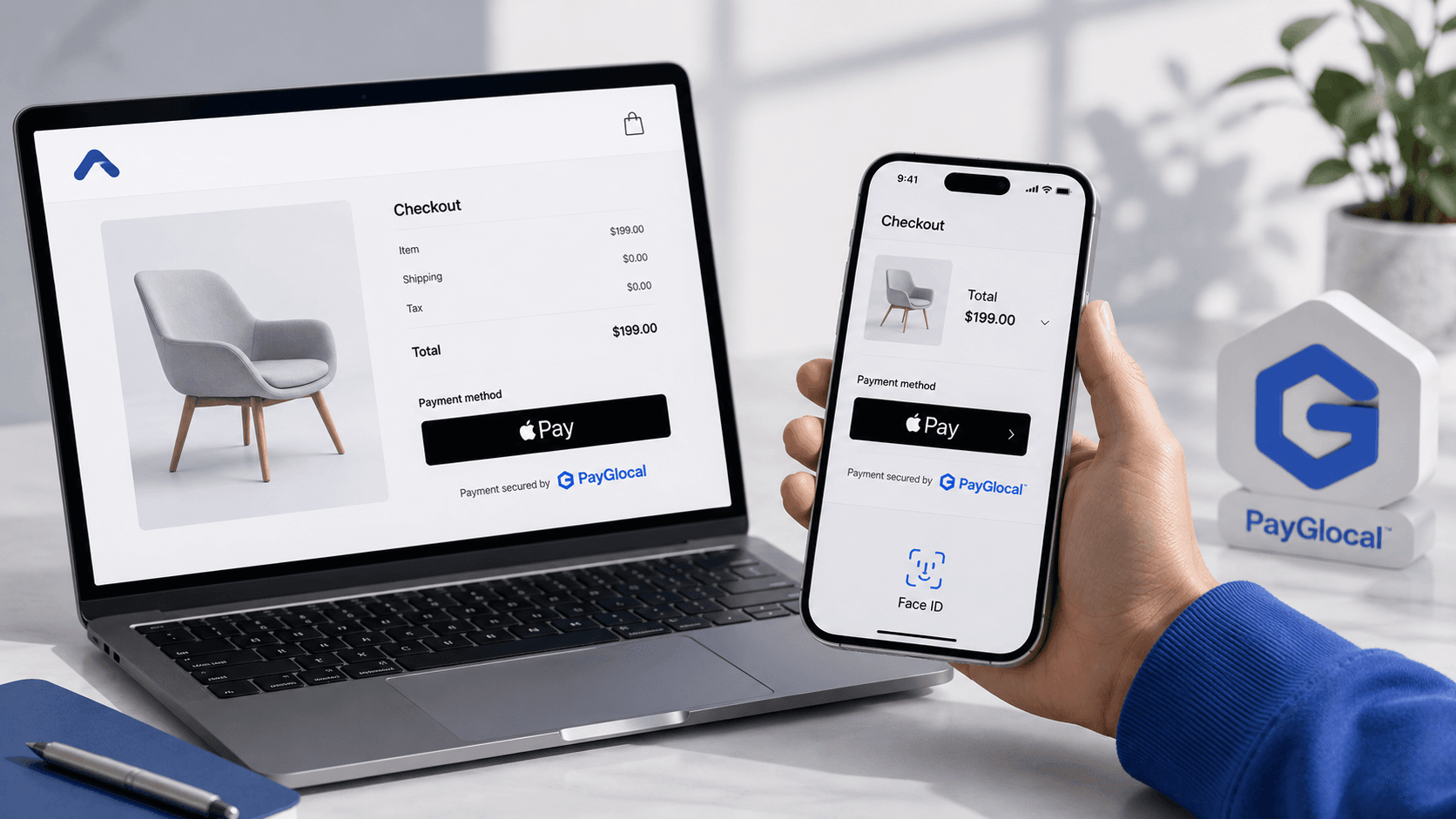
Customers shouldn't have to think about how to pay. These brands reduce typing, minimise distractions, and support methods that speed things up, such as Apple Pay, Google Pay, and saved cards. Returning customers pay in seconds; first-time buyers move through without interruption.
They let customers pay the way they're comfortable
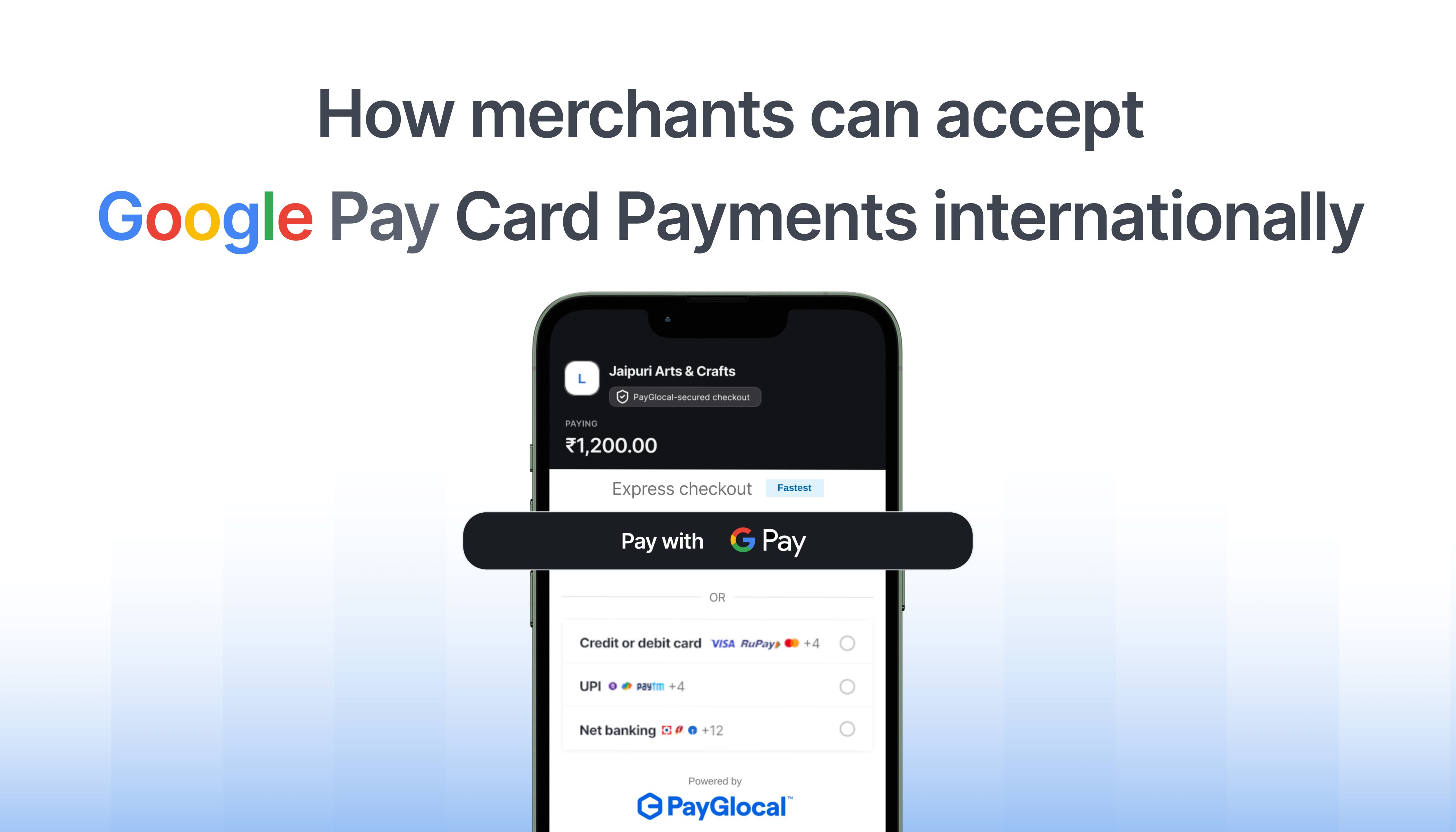
Payment preferences vary across countries, devices, and demographics. Brands that design for mobile-first customers don't ask buyers to adapt to their checkout. They adapt the checkout to the buyer, offering a mix of international cards, digital wallets, and locally preferred methods that feel familiar wherever the customer is shopping from.
They remove currency anxiety
Displaying prices in local currencies creates confidence. Customers know exactly what they're paying, without estimating exchange rates or fearing conversion charges from their bank. Better experience for the customer, simpler international sales for the business.
They optimise every transaction behind the scenes
Customers only see a payment button. Behind it sit dozens of decisions made in milliseconds: authentication, fraud screening, payment routing, issuer communication. The best infrastructure works quietly to maximise approvals without adding friction. To the customer, their payment just works.
They create one consistent experience across every device
A customer might discover your product on Instagram, compare prices on a laptop, and buy from their phone before bed. Buttons should be easy to tap, forms should resize naturally, and payment methods should stay consistent across iPhone, Android, tablet, and desktop. Consistency builds confidence, and confident customers complete purchases.
They treat checkout as a growth lever, not an operational necessity
Many businesses pour months into product pages, ads, and pricing, then only look at checkout when something breaks. Brands that win on mobile watch checkout performance like a marketing channel, because the fastest way to increase revenue isn't always acquiring more visitors. Sometimes it's helping more of the visitors you already have complete their purchase.
The Anatomy of a Great Mobile Checkout
Start from the business outcome you want, then work back to the checkout capability that delivers it. The best mobile checkouts are built this way, outcome first:
| Business outcome | Checkout capability |
|---|---|
| Increase conversions | Apple Pay and Google Pay for one-tap payment |
| Reduce abandonment | One-page checkout with minimal fields |
| Improve trust | Local currency pricing |
| Recover revenue | Intelligent routing and automatic retries |
| Protect payments | Secure authentication and real-time fraud screening |
| Reassure the buyer | Instant payment confirmation |
| Simplify finance | Automated FIRA and settlement |
None of these are revolutionary on their own. Together, they create a checkout that feels almost invisible, and that's exactly the goal. Customers shouldn't remember your payment gateway. They should remember how easy it was to buy from you.
Signs You've Outgrown Your Current Checkout
If any of these sound familiar, your checkout is already costing you international revenue:
- Mobile traffic is growing, but conversions aren't keeping pace.
- International cards fail more often than domestic ones.
- Customers keep asking for Apple Pay or Google Pay.
- Shoppers reach the payment step, then abandon.
- Finance spends hours reconciling international settlements.
- Your team still issues FIRA manually after every payment.
If more than one of these is true, you've outgrown a domestic-first checkout. You're ready for a payment experience built for global commerce.
Questions to Ask Every Payment Provider
Choosing a payment gateway isn't a technology decision. It's a growth decision. Before you commit, put every provider through the same questions, and don't accept vague answers:
- What is your international payment approval rate?
- How many currencies can customers pay in?
- How many payment methods do you support?
- How long does onboarding take before we can go live?
- Do you generate FIRA automatically?
- What is your foreign exchange policy, and are there hidden markups?
- Do you support Apple Pay?
- Do you support Google Pay?
- Do you offer chargeback protection?
If a provider struggles to answer these clearly, they're unlikely to support your international growth effectively. The right answers point to a partner that helps more customers complete their purchase, not just one that processes the ones who do.
Why Businesses Choose PayGlocal
At PayGlocal, we've built our platform around a simple belief: the best checkout is the one customers barely notice. Every decision is designed to reduce friction for international buyers while making cross-border payments easier for businesses to manage.
Instead of a feature list, here's what each capability actually does for your revenue.
- Let iPhone and Android users pay in seconds. With Apple Pay and Google Pay, customers complete purchases in one tap, without manually entering card details, the single biggest source of friction on mobile.
- Recover transactions that would otherwise fail. PayGlocal's intelligent routing directs each international transaction through the most suitable path and automatically retries failures, recovering payments that a domestic-first gateway would simply decline.
- Turn currency anxiety into confidence. Customers see and pay in familiar currencies, while you settle in INR, removing the hesitation that makes international shoppers abandon at the final step.
- Collect payments beyond your website. With secure payment links over email, WhatsApp, or SMS, you close sales wherever the conversation happens, and the customer still pays in their currency while you settle in INR.
- Get finance out of manual paperwork. PayGlocal automatically generates FIRA on eligible cross-border settlements, so your team stops chasing documentation and reconciling by hand.
- Give genuine customers a clean run while blocking fraud. Real-time, ML-based fraud screening protects revenue without adding friction for the buyers you want, and eligible chargebacks are covered.
Why businesses compare and choose PayGlocal
- ✓ RBI-authorised cross-border payment infrastructure
- ✓ Apple Pay
- ✓ Google Pay
- ✓ Local currency checkout
- ✓ Multi-currency accounts
- ✓ Payment Links
- ✓ Automated FIRA
- ✓ Intelligent payment routing
- ✓ Transparent FX pricing
- ✓ Shopify
- ✓ WooCommerce
- ✓ Magento
Is your checkout costing you international sales?
See how PayGlocal helps businesses build mobile-first checkout experiences that reduce friction, improve payment success, and convert more international shoppers.
Final Thoughts
Customers don't remember your payment gateway. They remember whether buying from you felt easy.
As mobile becomes the primary way people discover, browse, and buy online, checkout has evolved from a transactional step into a competitive advantage. The brands that win internationally aren't necessarily those with the biggest marketing budgets or the widest catalogues. They're the ones that remove friction from every stage of the buying journey, especially the last one, where revenue is actually collected.
Because in global commerce, success isn't just about bringing customers to your website. It's about helping them complete their purchase.