
India's export market has grown significantly over the years, with total exports reaching $778.21 billion in 2023-24 compared to $466.22 billion a decade earlier. But when international clients send advance payments, you need to use the right purpose code to stay compliant and avoid processing delays.
The P0103 purpose code is specifically designed for advance receipts against export contracts. Using it correctly means faster processing, proper compliance, and no regulatory headaches down the line.
In this guide, we cover everything you need to know about P0103, including when to use it, how it works, and what documentation you need to keep your export payments running smoothly.
The P0103 purpose code is a regulatory classification used for advance receipts against export contracts. When your international clients pay you before you ship goods or deliver services, banks use this code to categorize the transaction correctly.
For example, if you export industrial machinery to Europe and receive 50% payment upfront, your bank will use P0103 to process this advance payment. The code tells regulatory authorities that this money is an advance against future exports, not a regular service payment or investment.
This classification is crucial because it affects how banks process your payment, what documentation they require, and how quickly funds reach your account. Using the wrong purpose code can trigger unnecessary queries and delay your payment by days or weeks.
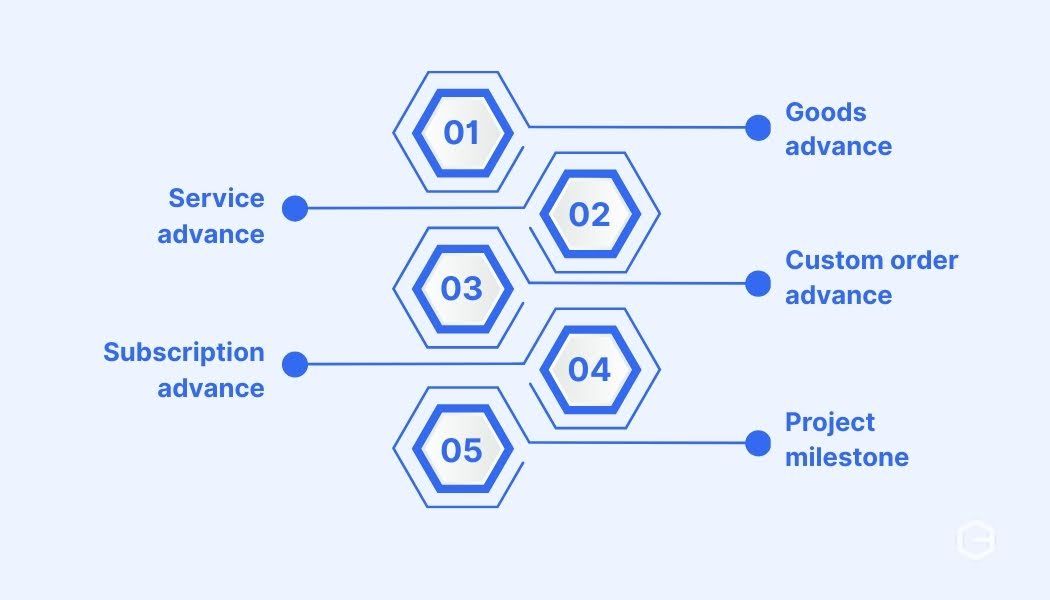
You need P0103 whenever you receive payment before completing your export delivery. This applies to various business scenarios where advance payments are common practice.
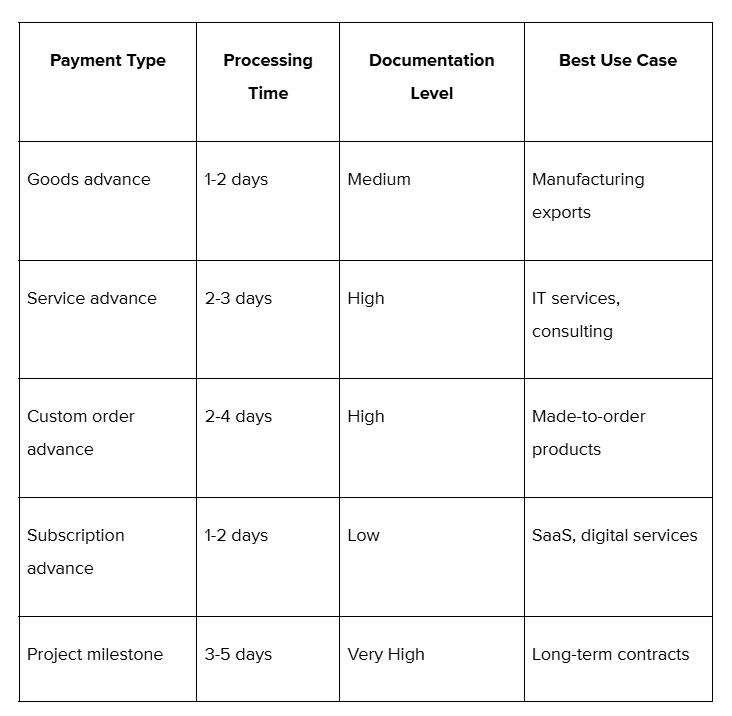
Each export payment type requires different documentation and verification processes depending on the complexity and value involved.
These advances apply when you manufacture or source products for international delivery. For example, if an electronics exporter receives 40% advance before shipping laptops to distributors in Southeast Asia, the transaction can be classified under P0103 category. The bank needs your export contract and production timeline to verify the advance's legitimacy.
Service providers like software developers, consultants, or marketing agencies use this when collecting upfront payments. For instance, a digital marketing agency getting a 3-month advance payment from clients in Australia for ongoing campaign management services can be classified as a P0103 transaction.
Businesses creating customized products often require substantial advances to cover material and production costs. A furniture manufacturer taking 60% advance from European clients for custom-designed office furniture falls under this category.
Digital service providers and SaaS companies frequently collect annual or multi-month subscription fees upfront from international customers. For example, a CRM platform provider receiving 12-month subscription payments from sales teams in the US before providing access to customer management features also falls under the P0103 category.
Long-term contracts often involve multiple advance payments tied to specific project phases or deliverables. For instance, a consulting firm might receive 25% advance at project start, another 25% at mid-point review, and the remaining 50% upon completion fHow does P0103 purpose code processing work?
When international payments arrive with P0103 classification, banks follow a specific verification process to ensure compliance and proper documentation. The processing follows these key steps:
or an 18-month market research project with clients in the US.
Payment receipt verification: Banks check that the incoming payment matches your export contract details and advance payment terms.
Documentation review: Your bank reviews supporting documents like export contracts, invoices, and correspondence with the international client.
Regulatory reporting: The transaction gets reported to the relevant authorities as an advance receipt against future export obligations.
Compliance check: Banks verify that your business has the necessary export licenses and registration to receive such payments.
Fund release: Once verification is complete, funds are credited to your account with proper FIRC generation.
The entire process typically takes 1-3 business days when you provide complete documentation upfront. Banks may hold payments longer if documentation is incomplete or if they need additional clarification about the export contract.
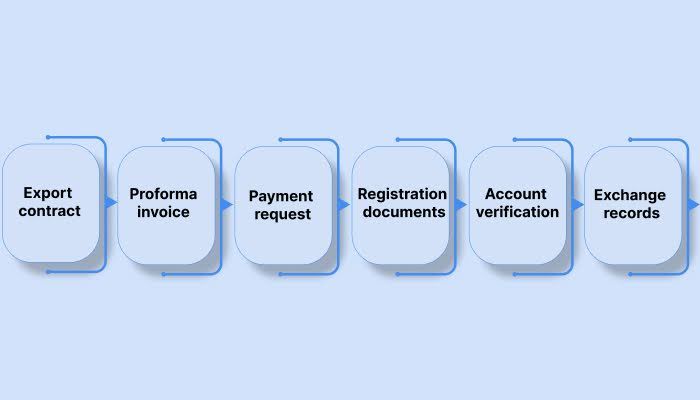
Proper documentation ensures smooth processing of your P0103 advance payments. Banks require specific paperwork to verify the legitimacy of advance receipts and maintain compliance records. Some of the essential documents include:
Using the correct purpose code creates multiple advantages for your export business operations and financial management. Proper classification helps you avoid unnecessary complications and speeds up your international payment collection. Some of the top benefits include:
Making errors in purpose codes can delay payments or create compliance issues. Being aware of these common mistakes will help you process advance payments more efficiently. Some of the common mistakes include:
Selecting the correct purpose code depends on your specific transaction type and timing relative to your export delivery. Different scenarios require different codes, and using the wrong one can cause processing delays. Consider these factors when choosing the right purpose code:
Managing advance payments across multiple currencies and clients gets complicated quickly. You need a solution that handles compliance automatically while giving you complete visibility into your international payment flows.
PayGlocal simplifies advance payment collection for exporters with automated compliance features and multi-currency support. Whether you're collecting advances from clients in the US, Europe, or Asia, you get the documentation and processing speed your business needs.
Here's how PayGlocal supports your export advance payments:
PayGlocal handles the international payment complexity, so that you can focus on growing your export business and serving international clients effectively.
P0103 purpose code ensures your export advance payments get processed correctly and stay compliant with regulations. Using the right code, maintaining proper documentation, and working with the right payment partner make advance payment collection straightforward and reliable.
Whether you're collecting advances for manufacturing, services, or custom projects, proper purpose code usage protects your business from payment delays and regulatory issues. PayGlocal offers automated compliance features and multi-currency accounts, which make this process even simpler for growing export businesses.
The export market moves fast, and your payment collection should too. Don't let manual processes slow down your international growth. Get started with PayGlocal today and turn your export advance payments into a competitive advantage.
The P0103 purpose code is specifically designed for advance receipts against export contracts. Using it correctly means faster processing, proper compliance, and no regulatory headaches down the line.
In this guide, we cover everything you need to know about P0103, including when to use it, how it works, and what documentation you need to keep your export payments running smoothly.
Key Takeaways:
- P0103 purpose code definition: Used for advance payments received before goods are shipped or services are delivered to international clients.
- Documentation needed: Export contract, invoice copies, and advance payment receipts must be maintained for regulatory purposes.
- Processing advantage: Using correct purpose codes speeds up payment processing and reduces bank queries.
- Smart payment solution: PayGlocal offers easy compliance documentation and multi-currency accounts to simplify your export payment collection.
What is the P0103 purpose code?
The P0103 purpose code is a regulatory classification used for advance receipts against export contracts. When your international clients pay you before you ship goods or deliver services, banks use this code to categorize the transaction correctly.
For example, if you export industrial machinery to Europe and receive 50% payment upfront, your bank will use P0103 to process this advance payment. The code tells regulatory authorities that this money is an advance against future exports, not a regular service payment or investment.
This classification is crucial because it affects how banks process your payment, what documentation they require, and how quickly funds reach your account. Using the wrong purpose code can trigger unnecessary queries and delay your payment by days or weeks.
When should you use the P0103 purpose code?
You need P0103 whenever you receive payment before completing your export delivery. This applies to various business scenarios where advance payments are common practice.
Each export payment type requires different documentation and verification processes depending on the complexity and value involved.
1. Goods export advances
These advances apply when you manufacture or source products for international delivery. For example, if an electronics exporter receives 40% advance before shipping laptops to distributors in Southeast Asia, the transaction can be classified under P0103 category. The bank needs your export contract and production timeline to verify the advance's legitimacy.
2. Service export advances
Service providers like software developers, consultants, or marketing agencies use this when collecting upfront payments. For instance, a digital marketing agency getting a 3-month advance payment from clients in Australia for ongoing campaign management services can be classified as a P0103 transaction.
3. Custom manufacturing advances
Businesses creating customized products often require substantial advances to cover material and production costs. A furniture manufacturer taking 60% advance from European clients for custom-designed office furniture falls under this category.
4. Subscription advance payments
Digital service providers and SaaS companies frequently collect annual or multi-month subscription fees upfront from international customers. For example, a CRM platform provider receiving 12-month subscription payments from sales teams in the US before providing access to customer management features also falls under the P0103 category.
5. Project milestone advances
Long-term contracts often involve multiple advance payments tied to specific project phases or deliverables. For instance, a consulting firm might receive 25% advance at project start, another 25% at mid-point review, and the remaining 50% upon completion fHow does P0103 purpose code processing work?
When international payments arrive with P0103 classification, banks follow a specific verification process to ensure compliance and proper documentation. The processing follows these key steps:
or an 18-month market research project with clients in the US.
Payment receipt verification: Banks check that the incoming payment matches your export contract details and advance payment terms.
Documentation review: Your bank reviews supporting documents like export contracts, invoices, and correspondence with the international client.
Regulatory reporting: The transaction gets reported to the relevant authorities as an advance receipt against future export obligations.
Compliance check: Banks verify that your business has the necessary export licenses and registration to receive such payments.
Fund release: Once verification is complete, funds are credited to your account with proper FIRC generation.
The entire process typically takes 1-3 business days when you provide complete documentation upfront. Banks may hold payments longer if documentation is incomplete or if they need additional clarification about the export contract.
What documents do you need for P0103 transactions?
Proper documentation ensures smooth processing of your P0103 advance payments. Banks require specific paperwork to verify the legitimacy of advance receipts and maintain compliance records. Some of the essential documents include:
- Export contract or purchase order: Signed agreement with your international client showing payment terms and delivery schedules.
- Proforma invoice: Detailed invoice indicating the advance payment amount and balance due upon delivery.**
- Advance payment request: Written confirmation from the client about the advance payment amount and purpose.
- Export registration documents: Your IEC certificate and any industry-specific export licenses.
- Bank account verification: Proof that the receiving account is registered for export business transactions.
- Correspondence records: Email exchanges or letters confirming the advance payment arrangement with your international client.
Why is using the P0103 purpose code correctly important?
Using the correct purpose code creates multiple advantages for your export business operations and financial management. Proper classification helps you avoid unnecessary complications and speeds up your international payment collection. Some of the top benefits include:
- Faster payment processing: Correct classification reduces bank queries and speeds up fund release to your account.
- Regulatory compliance: Proper purpose code usage keeps you aligned with foreign exchange regulations and avoids penalties.
- Clear audit trail: P0103 transactions create proper documentation for tax purposes and regulatory reporting requirements.
- Reduced bank queries: Banks process payments smoothly when they know the transaction nature upfront.
- Better cash flow management: Quick processing of advance payments improves your working capital and project funding capacity.
- Lower compliance risk: Using correct codes minimizes the chance of regulatory scrutiny or payment holds.
What mistakes should you avoid with the P0103 purpose code?
Making errors in purpose codes can delay payments or create compliance issues. Being aware of these common mistakes will help you process advance payments more efficiently. Some of the common mistakes include:
- Using wrong purpose codes: Mixing up P0103 with other codes like P0102 when the transaction doesn't match the code definition.
- Incomplete documentation: Submitting partial paperwork that doesn't clearly establish the advance payment nature or export obligation.
- Mismatched amounts: Advance payment amounts that don't align with export contract terms or exceed a reasonable percentage of total contract value.
- Missing client details: Inadequate information about the international client or unclear payment source verification.
- Timeline inconsistencies: Receiving advances too far ahead of planned export delivery dates, which may trigger additional scrutiny.
How can you choose the right purpose code for your export payments?
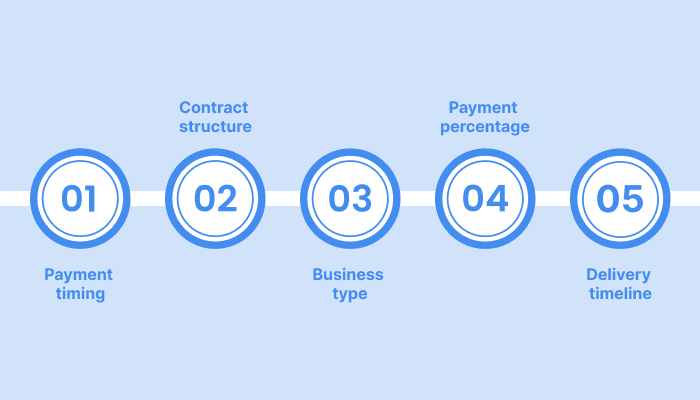
Selecting the correct purpose code depends on your specific transaction type and timing relative to your export delivery. Different scenarios require different codes, and using the wrong one can cause processing delays. Consider these factors when choosing the right purpose code:
- Payment timing: P0103 applies only when payment comes before you complete export delivery or service provision.
- Contract structure: Check if your agreement specifies advance payment terms and delivery schedules that support P0103 classification.
- Business type: Manufacturing, services, and digital exports may have different code requirements based on industry regulations.
- Payment percentage: Advance amounts should be reasonable relative to the total contract value and industry norms.
- Delivery timeline: Ensure a reasonable gap between advance receipt and planned export completion to avoid regulatory questions.
Get paid globally and scale your business with PayGlocal
Managing advance payments across multiple currencies and clients gets complicated quickly. You need a solution that handles compliance automatically while giving you complete visibility into your international payment flows.
PayGlocal simplifies advance payment collection for exporters with automated compliance features and multi-currency support. Whether you're collecting advances from clients in the US, Europe, or Asia, you get the documentation and processing speed your business needs.
Here's how PayGlocal supports your export advance payments:
- Multi-currency accounts: Accept advance payments in USD, EUR, GBP, CAD, and other currencies with local account details for faster processing.
- Easy compliance documentation: Get instant FIRC generation and purpose code classification without manual paperwork or bank visits.
- Recurring payments: Set up automated subscription billing and milestone payments for long-term export contracts with international clients.
- Dynamic checkout experience: Offer flexible payment options to international customers with localized currency display and multiple payment methods.
- One platform management: Handle all your export payments, documentation, and compliance requirements from a single dashboard for complete visibility.
PayGlocal handles the international payment complexity, so that you can focus on growing your export business and serving international clients effectively.
Final thoughts
P0103 purpose code ensures your export advance payments get processed correctly and stay compliant with regulations. Using the right code, maintaining proper documentation, and working with the right payment partner make advance payment collection straightforward and reliable.
Whether you're collecting advances for manufacturing, services, or custom projects, proper purpose code usage protects your business from payment delays and regulatory issues. PayGlocal offers automated compliance features and multi-currency accounts, which make this process even simpler for growing export businesses.
The export market moves fast, and your payment collection should too. Don't let manual processes slow down your international growth. Get started with PayGlocal today and turn your export advance payments into a competitive advantage.