Payments
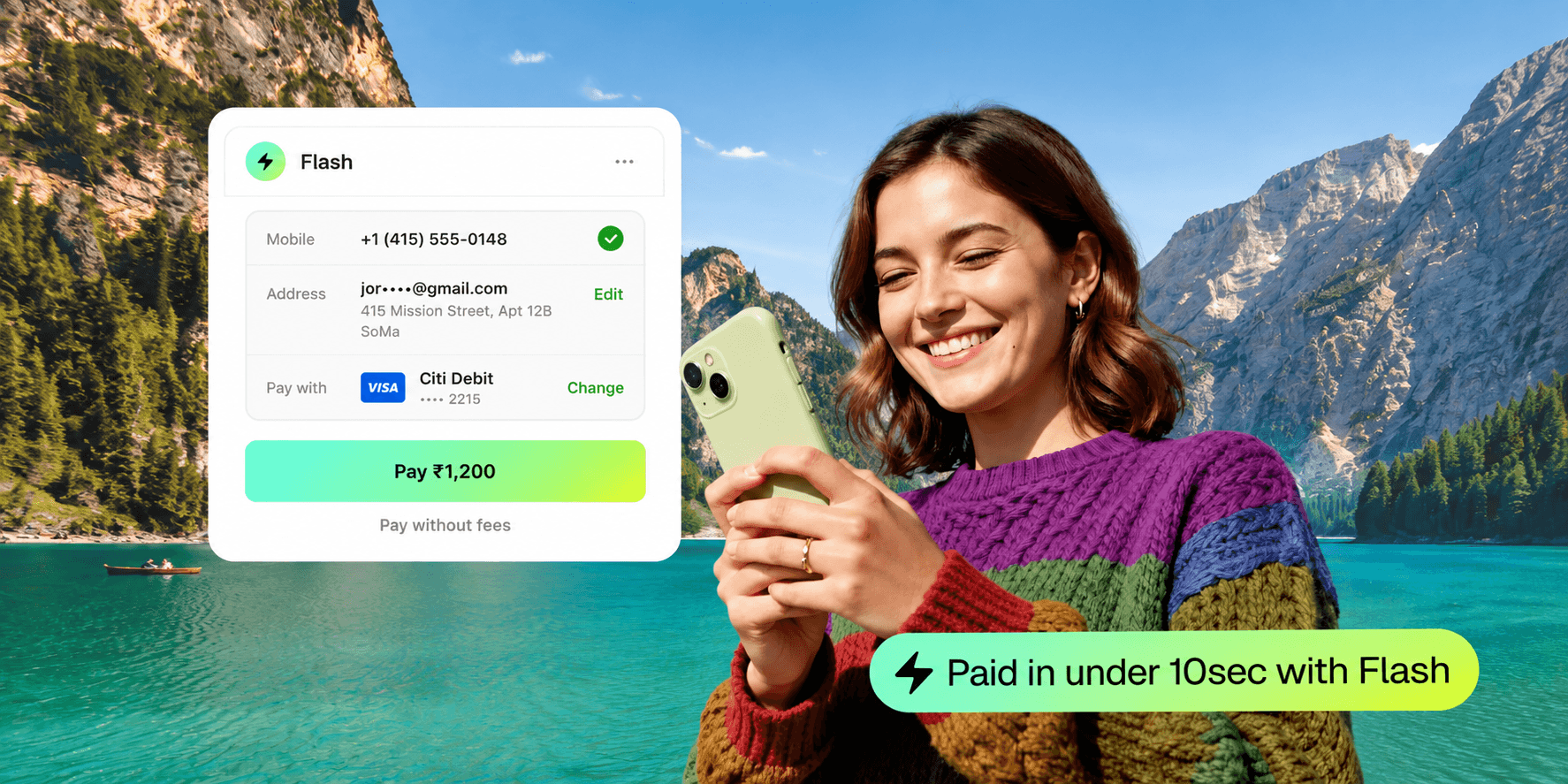
A Faster Checkout for Your International Customers: Introducing Flash
Discover how Flash on PayGlocal Go can reduce checkout friction for international shoppers with a reusable payment profile across participating merchants.

Guides on international payments, payment gateways, card processing and settlement for Indian businesses.
Discover how Flash on PayGlocal Go can reduce checkout friction for international shoppers with a reusable payment profile across participating merchants.

Learn how to open a multi-currency account in India, the documents you'll need, how long it takes, and how to choose the right provider for global payments.


Learn how presumptive taxation works under Section 58, including eligibility, 6%, 8% and 50% rates, turnover limits, the 5% cash rule and audit requirements.


Learn how recurring billing works, from fixed and usage-based models to renewal failures, smart retries, mandates and international recurring payments.

Learn how international payment settlement time works, why bank wires can take days, when the 24-hour settlement clock starts, and how exporters get paid faster.

Learn how to receive money from abroad in India for personal remittances, freelance work and exports, including payment routes, fees, tax and FIRA.
Learn how a payment gateway works, what happens after a customer clicks Pay, how gateway types differ, and what to compare for international payments.

Learn how RBI purpose codes work for inward and outward foreign-exchange transactions, with P and S code examples and tips to choose the right code.
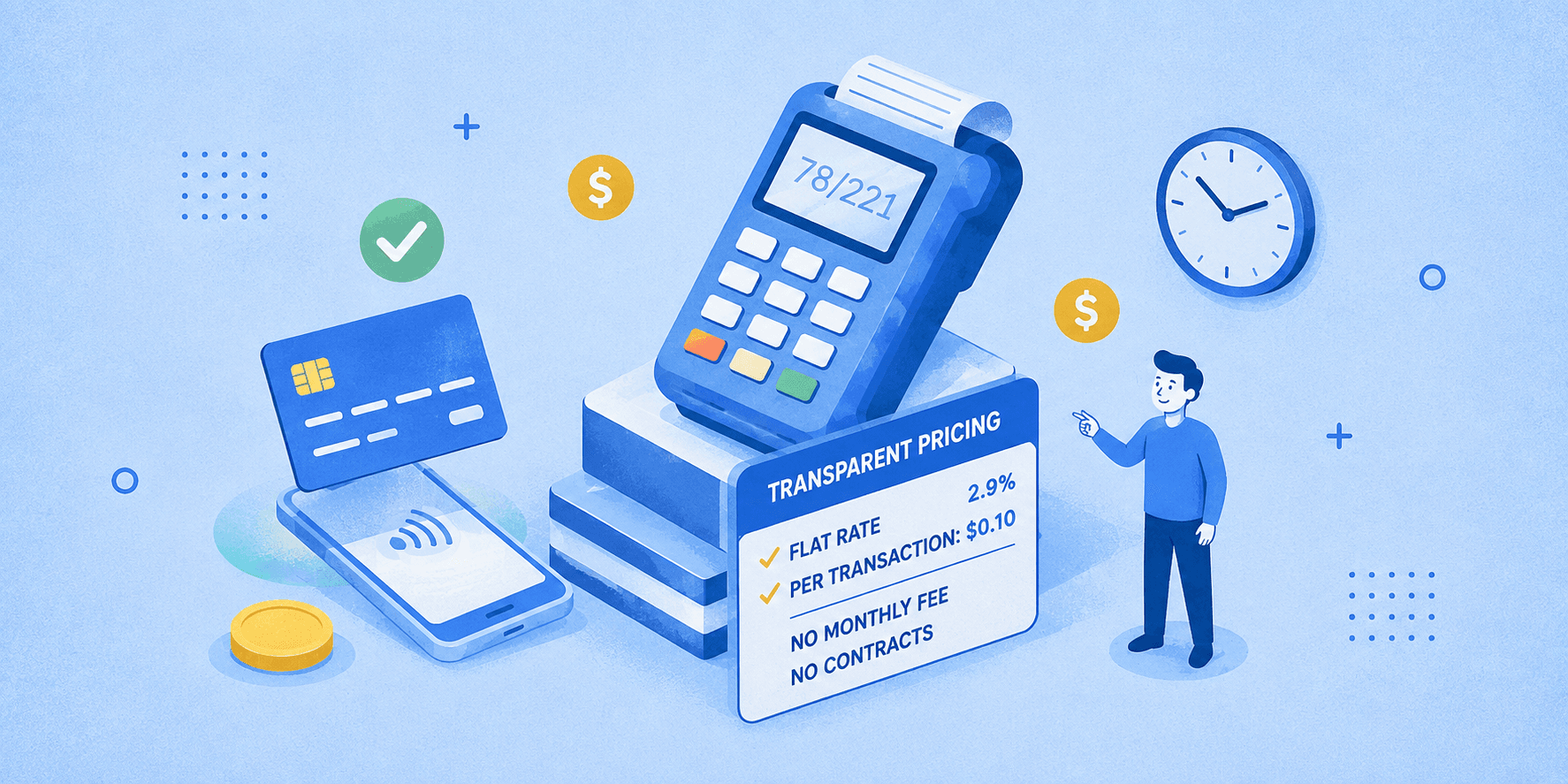
Learn how merchant payment services work across checkout, authorisation, settlement, security and reconciliation, and what to compare when choosing a provider.
Discover what are BIC and SWIFT codes, why these unique identifiers are vital in international banking and how they help avoid fraud or errors.

Learn everything about payment aggregators, including their types, benefits, and examples. Find out how they work and choose the right one for your business.

Learn how to calculate payment success rate, diagnose failed payments and improve PSR through better routing, authentication, retries and fraud controls.

Learn how centralized payment processing unifies payment acceptance, routing, settlement visibility, reporting and reconciliation across markets and methods.
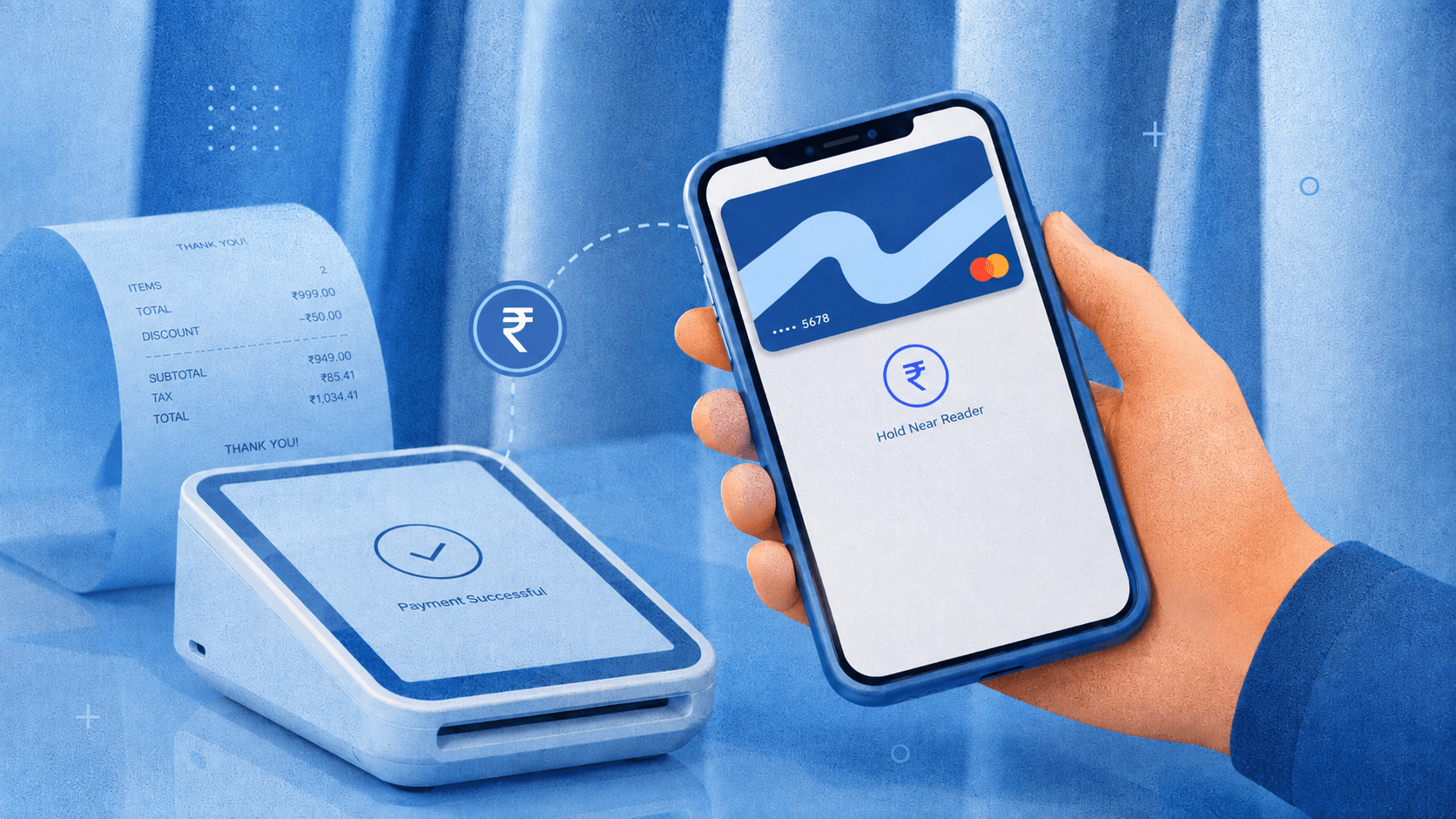
Learn how B2B payment gateways work and compare card checkout, payment links, recurring payments and local bank collections for domestic and global clients.
Learn RBI's payment aggregator regulations in India, including PA-O, PA-P and PA-CB authorisation, net worth, merchant KYC, escrow and settlement rules.
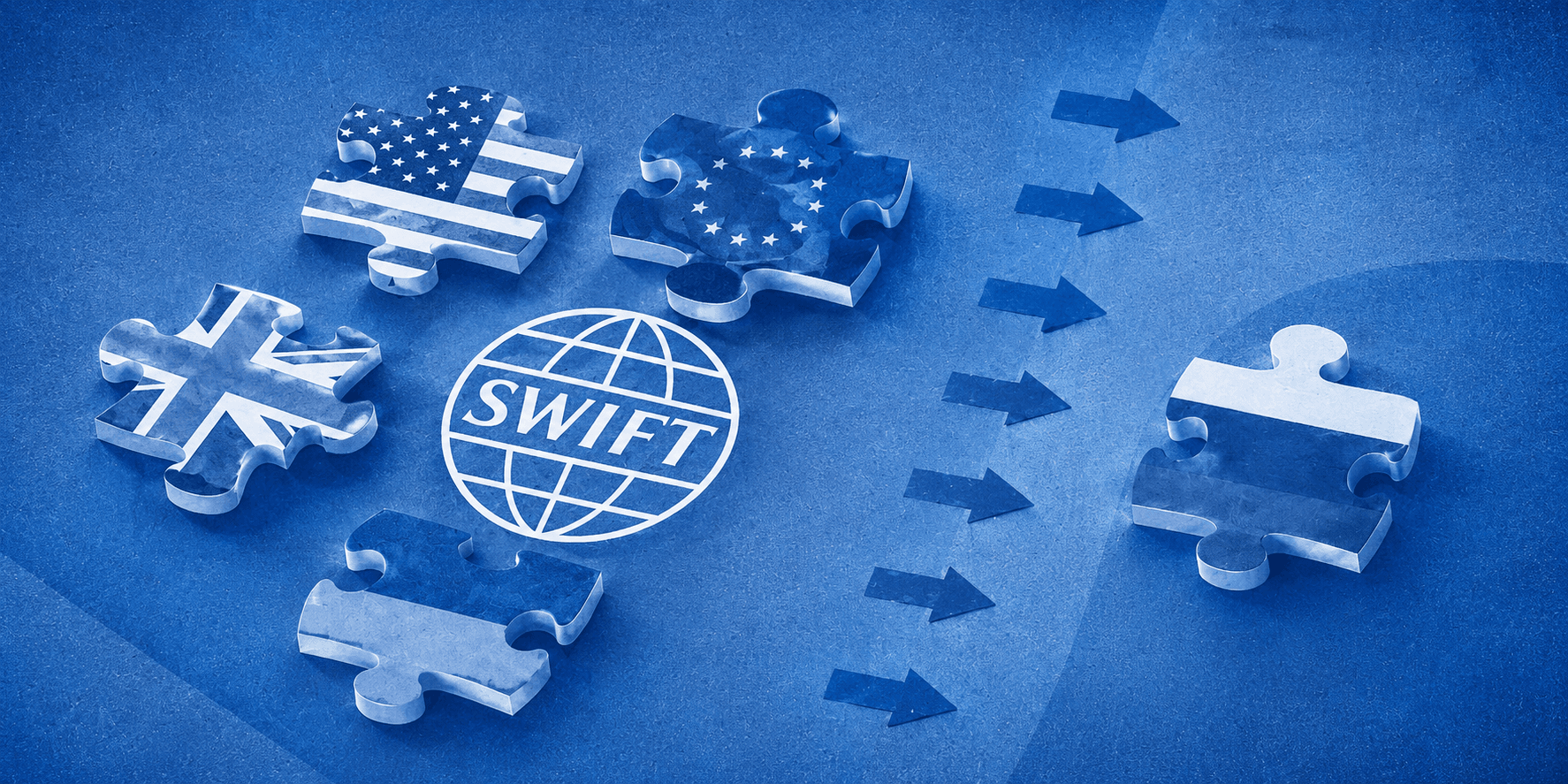
Learn how SWIFT transfer fees work, including OUR, SHA and BEN charges, intermediary deductions, FX costs, and how to calculate your real transfer cost.
Understand swipe machine charges in India, including MDR, POS rental, debit and credit card pricing, settlement costs, and fees for international cards.

Learn how international money orders work, their limitations, India Post availability, and why exporters may need dedicated cross-border payment methods.

Explore how SWIFT transfers work in 2026, from ISO 20022 and UETR tracking to pre-validation, correspondent banking, and local collection rails.
Learn how TT payment in export works, common payment terms, costs and risks, and how exporters can choose the right structure for international trade.
Understand what an acquirer does in payment processing, how it differs from an issuer, gateway and processor, and why acquiring matters for international payments.
Compare payment methods for Indian exporters, from cards and wallets to ACH, SEPA and wires, and learn how to choose the right options for global buyers.

Learn how seamless payment integration reduces checkout friction, improves payment success, and creates smoother experiences for international customers.
Understand what a 2D payment gateway is, how 2D transactions work, their benefits and risks, and how they compare with 3D Secure payments.