Payments

Different Types of Payment Gateways Explained
Explore the main types of payment gateways, how hosted, embedded and API integrations differ, and how to choose the right model for your business.

Guides on international payments, payment gateways, card processing and settlement for Indian businesses.
Explore the main types of payment gateways, how hosted, embedded and API integrations differ, and how to choose the right model for your business.

Understand RTGS limits in India, including the ₹2 lakh minimum, bank-level maximums, charges, transfer timing, UTR tracking, and RBI rules.

Learn how third-party payment processors work, how they differ from gateways and aggregators, and what businesses should evaluate before choosing one.

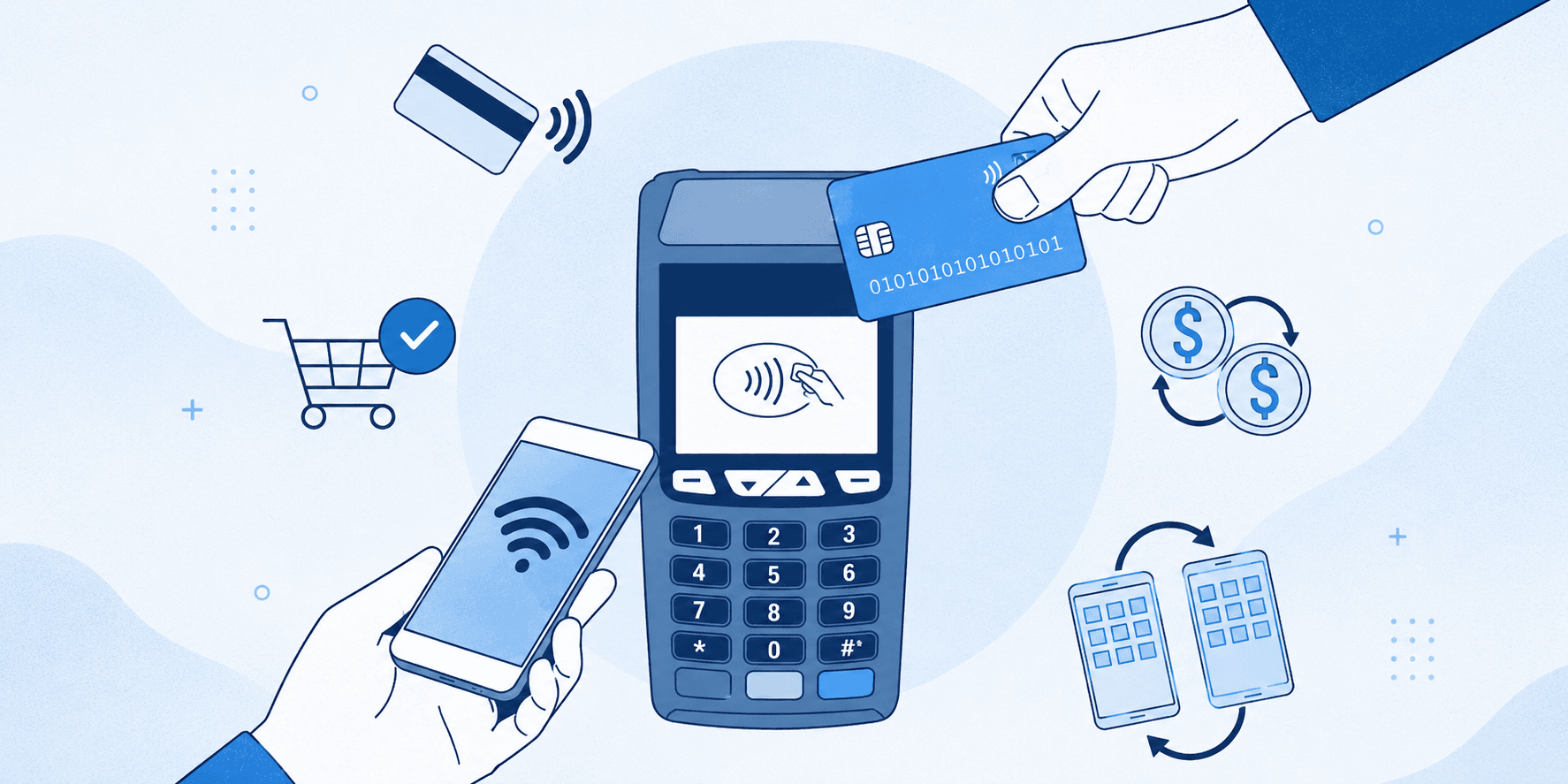
Learn how multi-channel payments unify online, mobile and other payment methods to improve customer experience, operations and payment collection.

Learn how wire transfers work, the difference between domestic and international wires, their costs, timing, networks, and alternatives for businesses.


Understand TIN in India, how it differs from PAN, GSTIN and TAN, and which tax identification number Indian businesses should use for different purposes.

Learn what Electronic Fund Transfer (EFT) means, how it works, common EFT types, and how ACH, wire transfers, NEFT, and UPI fit into electronic payments.

Discover why PayGlocal is a strong payment gateway for Indian businesses accepting US payments, with cards, wallets, smart routing and USD collections.

Learn how SEPA payments work, the countries and schemes covered, and how Indian businesses can receive euro payments from European customers.

Understand UPI transaction limits, higher category caps, bank-specific restrictions, and what to do when a payment exceeds your available UPI limit.

Understand withholding tax on international payments, how it differs from TDS, when DTAAs may help, and how Indian residents can claim foreign tax credit.

Learn what a prepaid card is, how it works, its types, benefits and limitations, and how prepaid cards compare with debit and credit cards.

Learn the difference between HSN and SAC codes, their full forms, GST usage, structure, reporting requirements, and how to find the correct classification.
Learn how Section 44ADA works, who qualifies, the ₹50–75 lakh limits, 50% presumptive income rule, advance tax, expenses, books, and ITR filing.
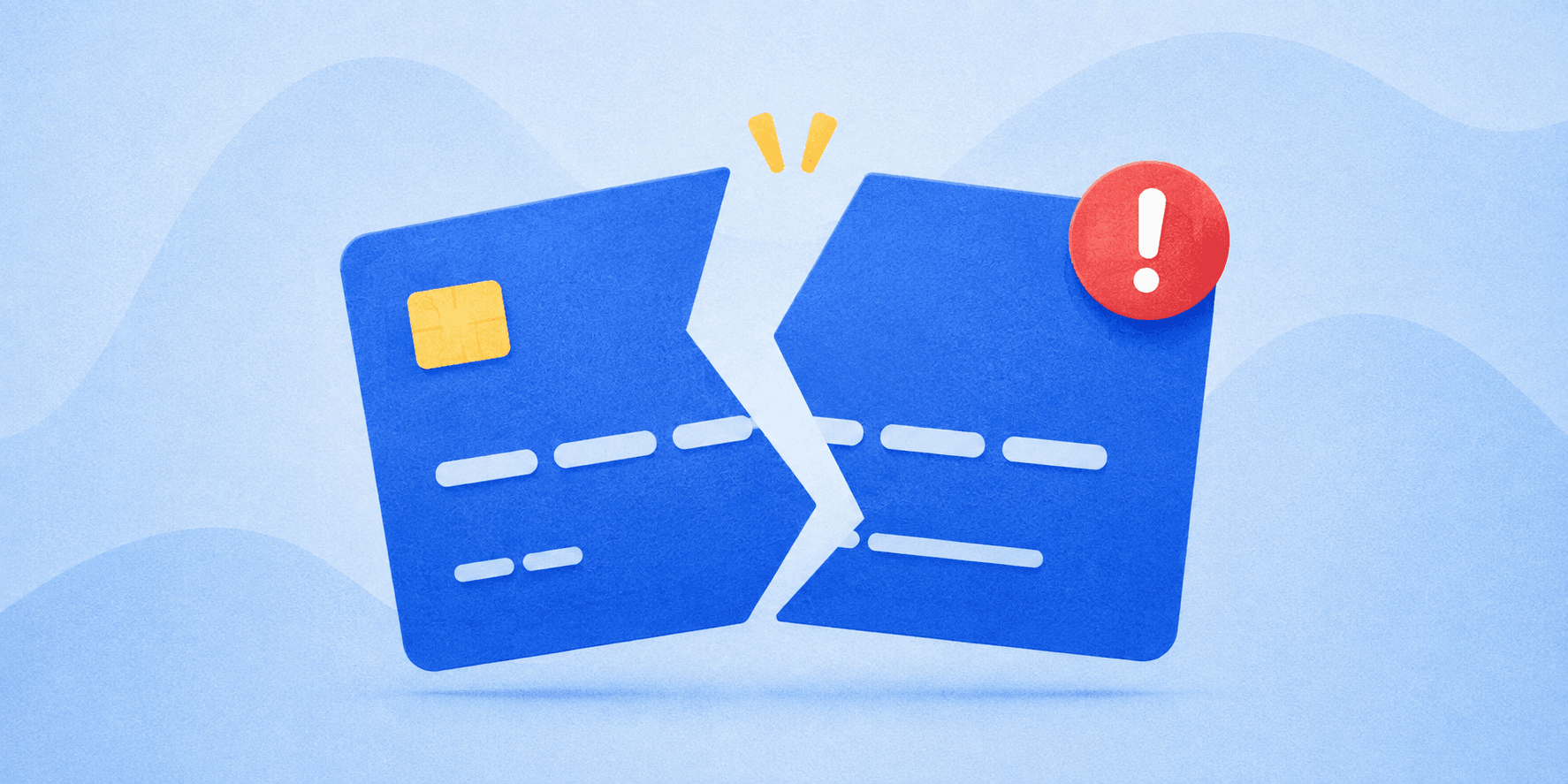
Learn why genuine payments get declined, how soft and hard declines differ, and how businesses can reduce false declines and improve payment success rates.

Learn how nostro and vostro accounts work, why banks use them for cross-border payments, and how correspondent banking affects fees and settlement.
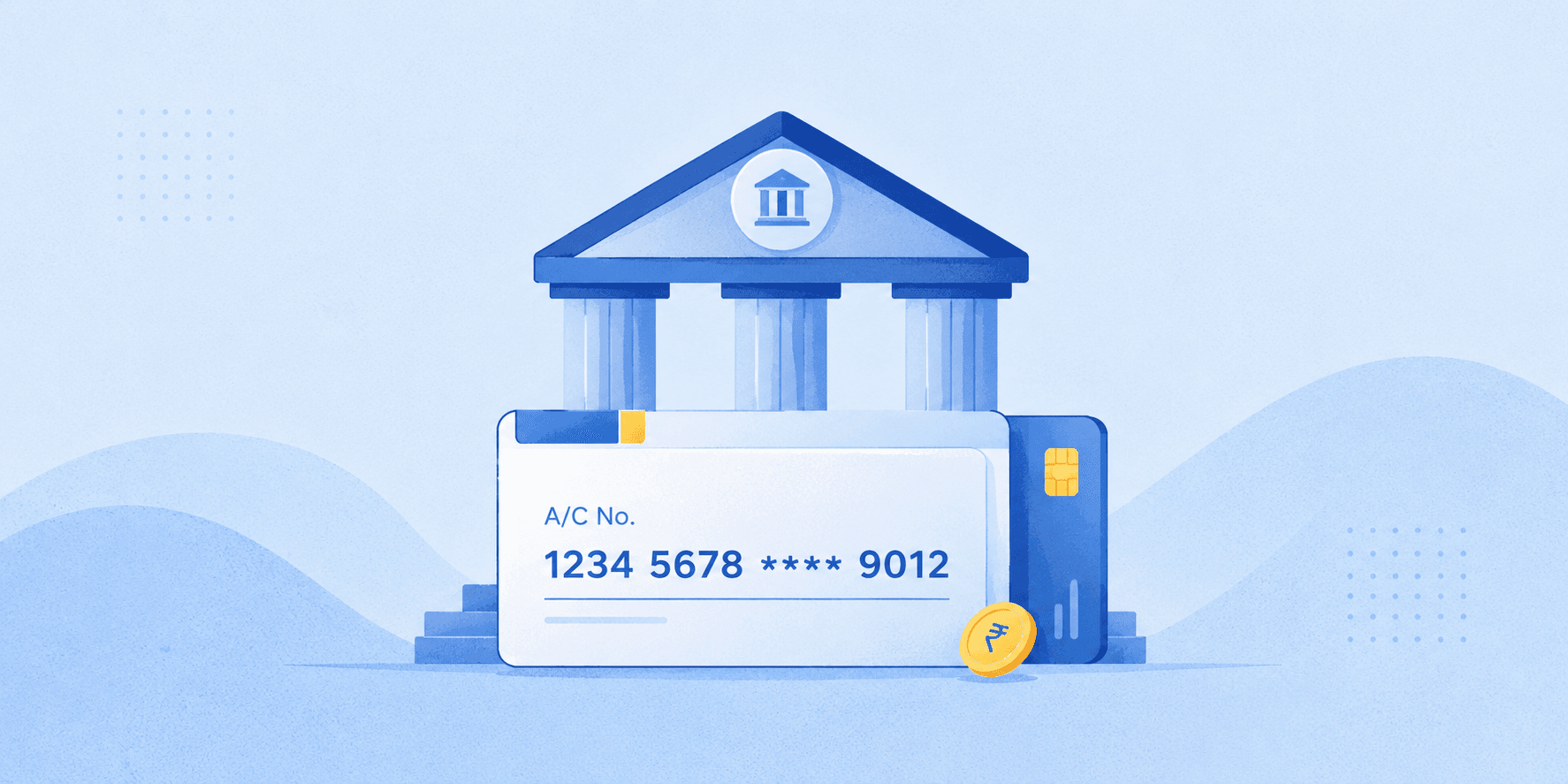
Understand what an IBAN is, how its structure works, how it differs from SWIFT and routing numbers, and how to find and verify it for global payments.

Understand the real cost of international payments, the hidden fees that reduce what you receive, and how to make cross-border transactions more cost-efficient.

Learn how card fraud works across domestic and international payments, the red flags to watch, and prevention tactics that protect revenue without hurting conversions.
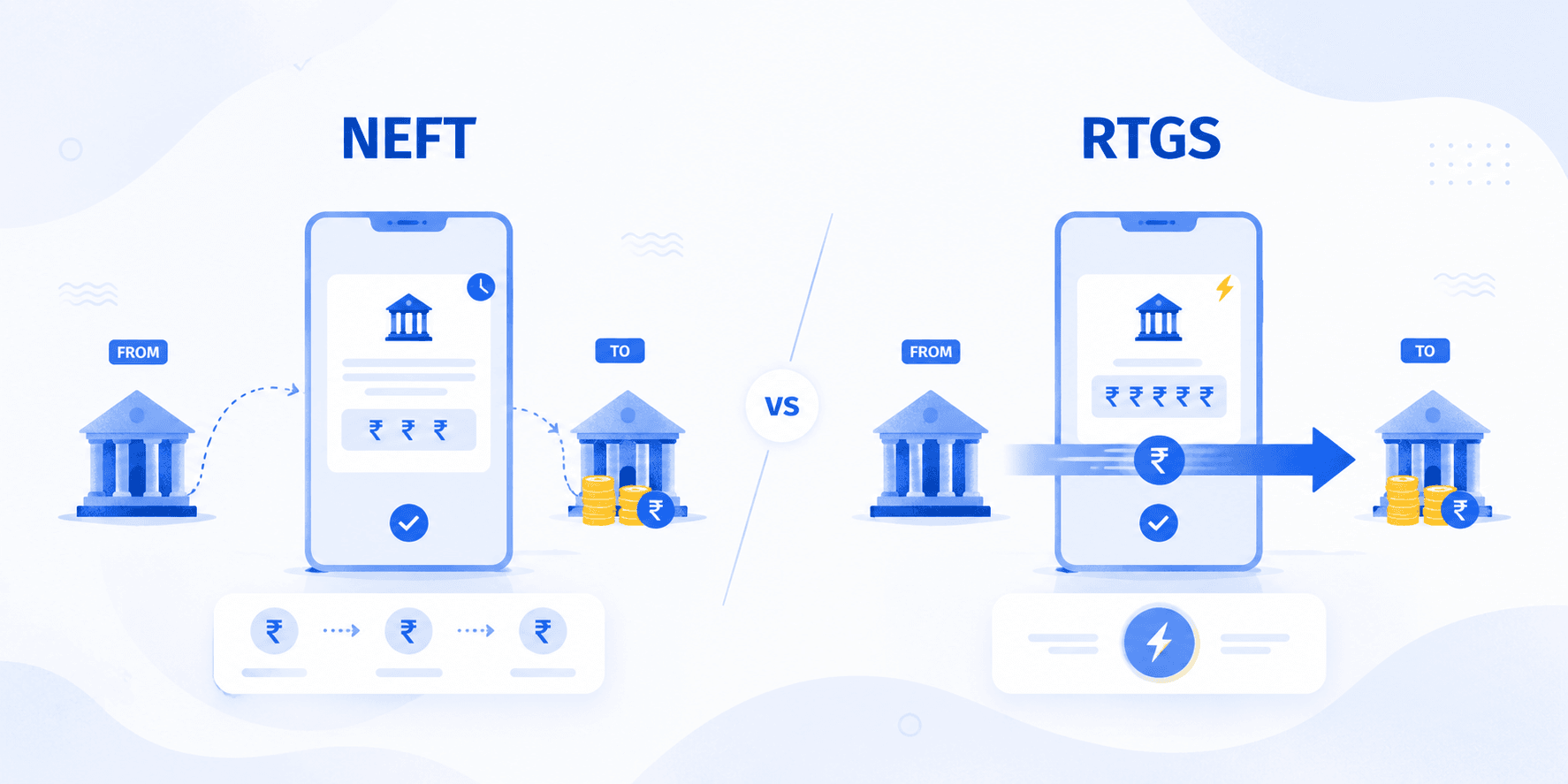
Understand NEFT vs RTGS, including transfer speed, limits, charges, requirements, and when to use each payment method in India.

Learn how GST e-invoicing works, who must comply, mandatory invoice fields, IRN generation, and the step-by-step process for creating an e-invoice.

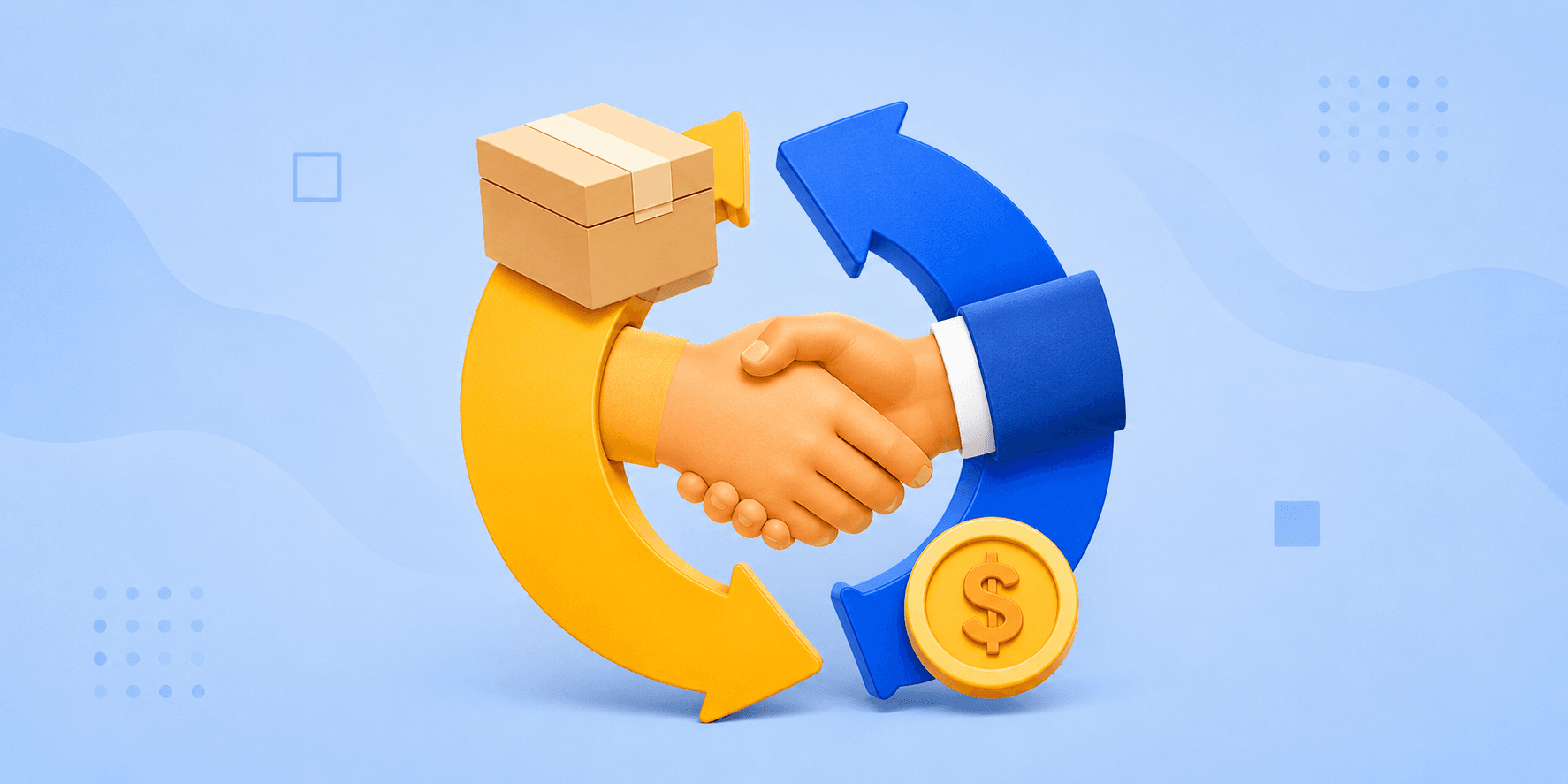
Compare factoring and forfaiting, how each improves cash flow, their key differences, risk structures, costs, and when exporters should use each.

Learn how Indian businesses can run international subscription payments reliably using network tokens, smart retries, routing, and automated FIRA.